Akaitcho First Nations to form working group to decide new name for Great Slave Lake
First Nations have long wanted to drop the N.W.T. lake’s ‘colonial name’
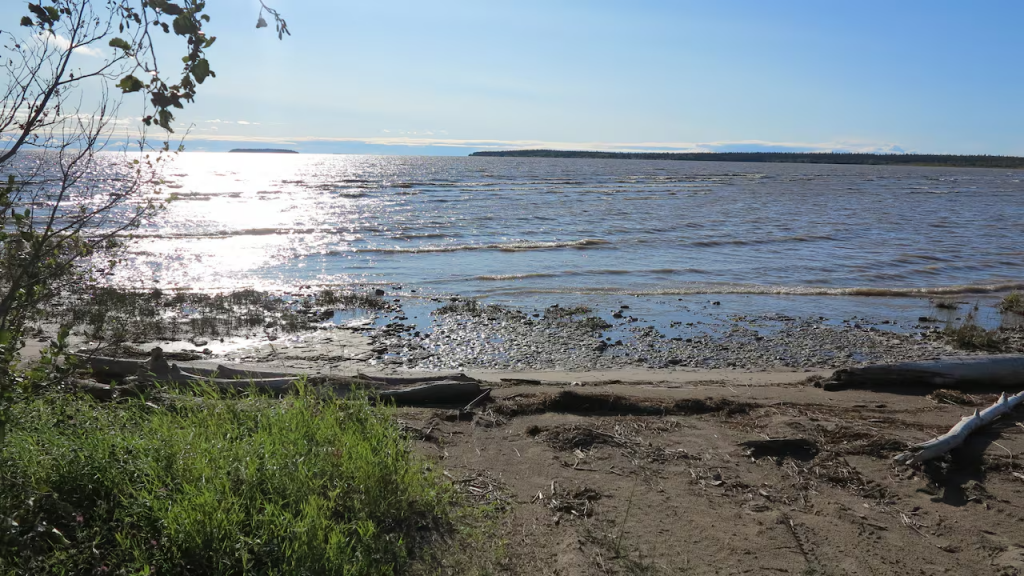
Akaitcho First Nations in the N.W.T. have decided to work together toward the renaming of Great Slave Lake.
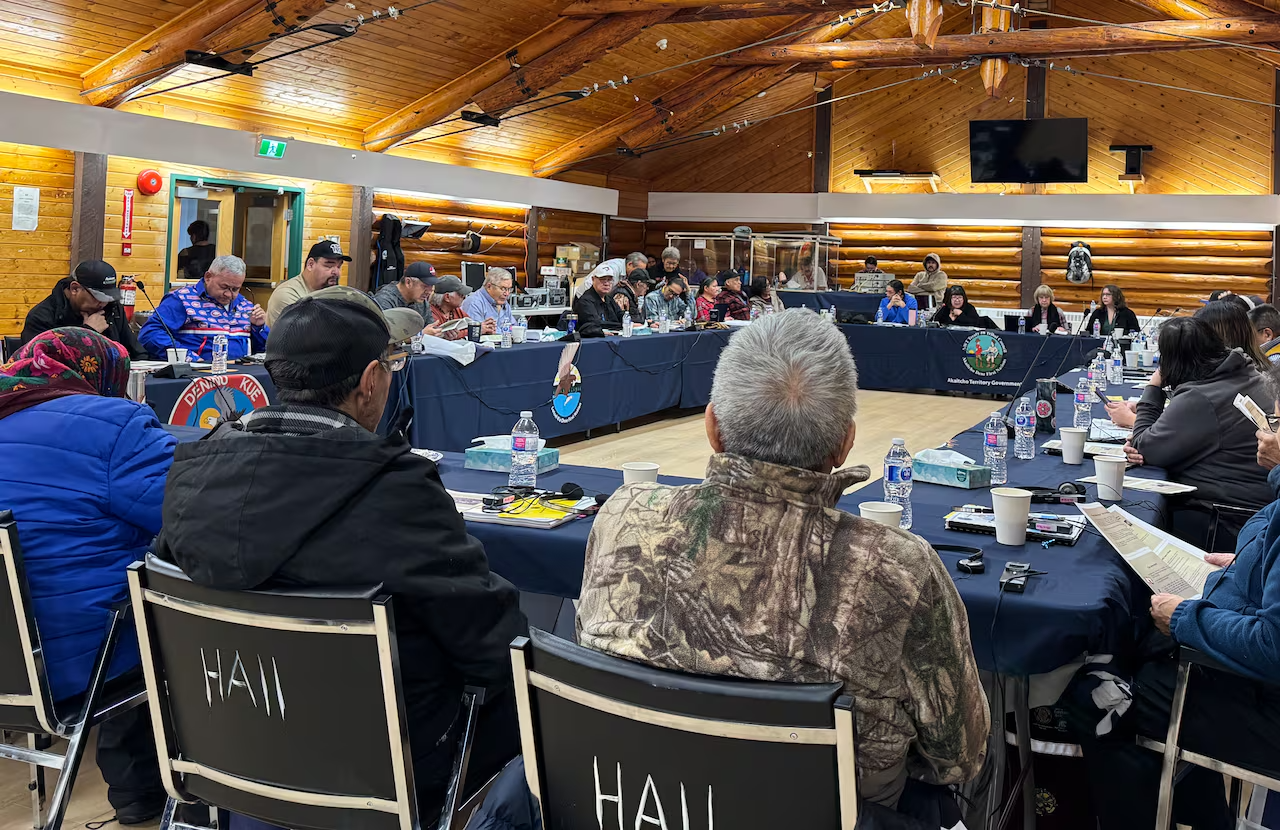
Last week, at this year’s annual general assembly of the Akaitcho Territory Government, which was held in Fort Resolution, they decided to create a working group to select a new name that the Łutsel K’e Dene First Nation, the Deninu Kųę́ First Nation and the Yellowknives Dene First Nation can agree on.
“The name Great Slave Lake, it doesn’t sit well with our traditional name,” said Ndilǫ Chief Fred Sangris of the Yellowknives Dene First Nation. “It’s a colonial name.”
He said the English name was introduced by early explorers, when communities around the lake had different names for it.
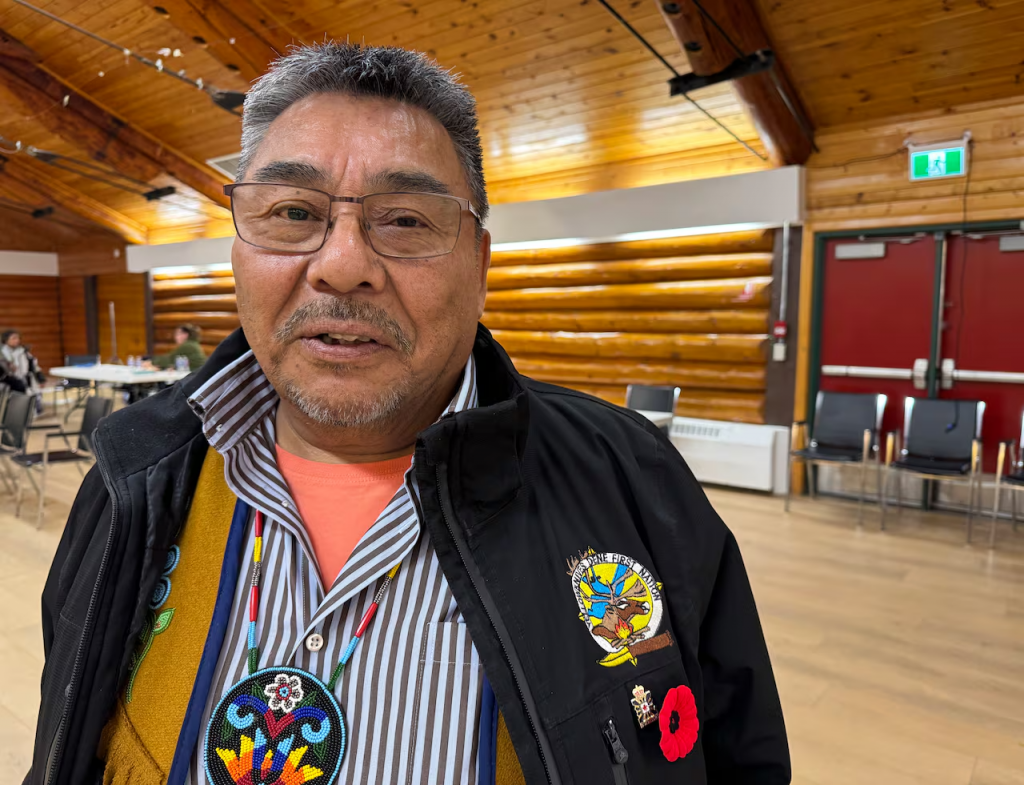
Chief James Marlowe of the Łutsel K’e Dene First Nation said the current name is derogatory for Dene First Nations around the lake.
Conversations about renaming the lake have been going on for years. The N.W.T. government received a request in March 2022 to rename it, and later that year a former MLA introduced and withdrew a bill to that effect.
Sangris said the issue has also come up through the Akaitcho land claim process, which is still being negotiated.
He said Akaitcho First Nations have been working on their own maps to add all the traditional names they feel should be changed.
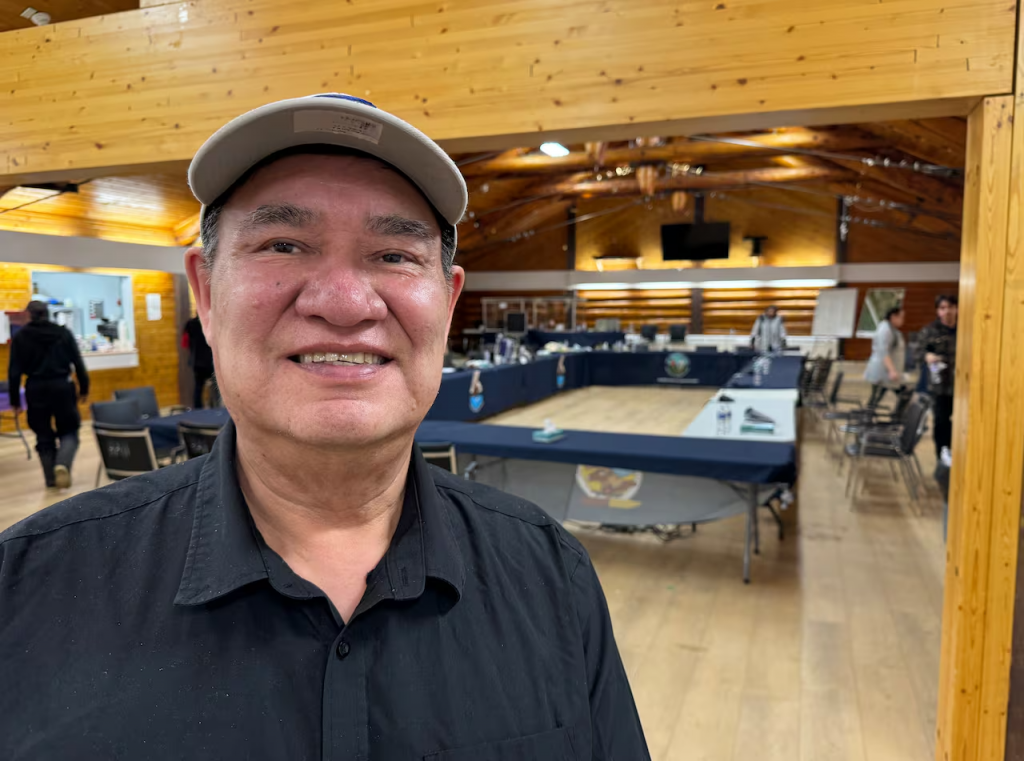
Great Slave Lake is more of a challenge, he said, because it’s close to many communities, and some elders who would have had important knowledge about the name are no longer around.
“But we are game to try and work it out,” Sangris said.
Picking a new name was on the agenda for this year’s general assembly. However, as people around the table discussed the matter, some elders raised concerns that not enough elders would get the chance to give input on what the new name should be.
That prompted the creation of the working group to select an appropriate name.
Some potential names were floated during the assembly. A popular one was Tu Nedhe, which means “big lake” in Dënë Sųłınë́.
“We’ve always had that name for thousands of years,” Marlowe said.
Still, he said there needs to be consensus among all the communities around the lake so everyone feels represented, because there are dialect differences.
The aim is for the working group to have a name selected in time to present it at next year’s annual general assembly, which will take place in Lutsel K’e. Marlowe said it would likely happen in July, when people can enjoy the fish and fresh water.
He said he would be happy to host the event where Great Slave Lake’s new name is presented because it would be a sign of collaboration between nations.
“I think it would be great,” he said. “It will take some time and consideration, and I think it will be done.”
Related stories from around the North:
Canada: Nunavut gov’t to rename 15 place names containing Indigenous slurs, CBC News
Finland: Finland’s Northern Lights may soon have names, Yle News
United States: A new digital atlas documents thousands of Yup’ik places in Alaska, Alaska Dispatch News