The U.S. already has leverage in Greenland, so why is Trump escalating? Experts weigh in
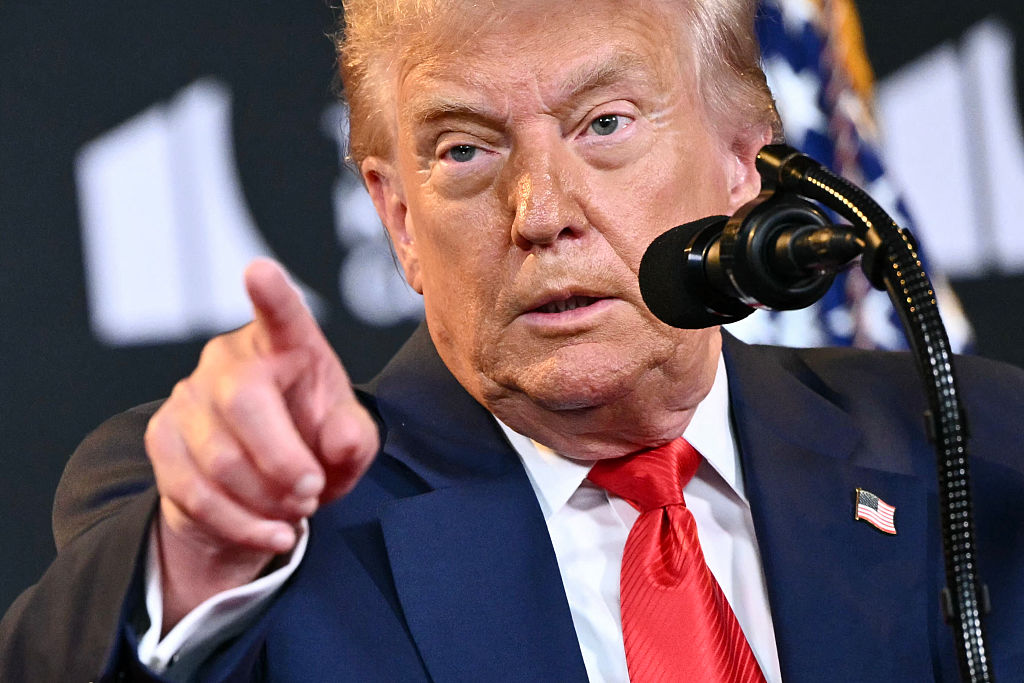
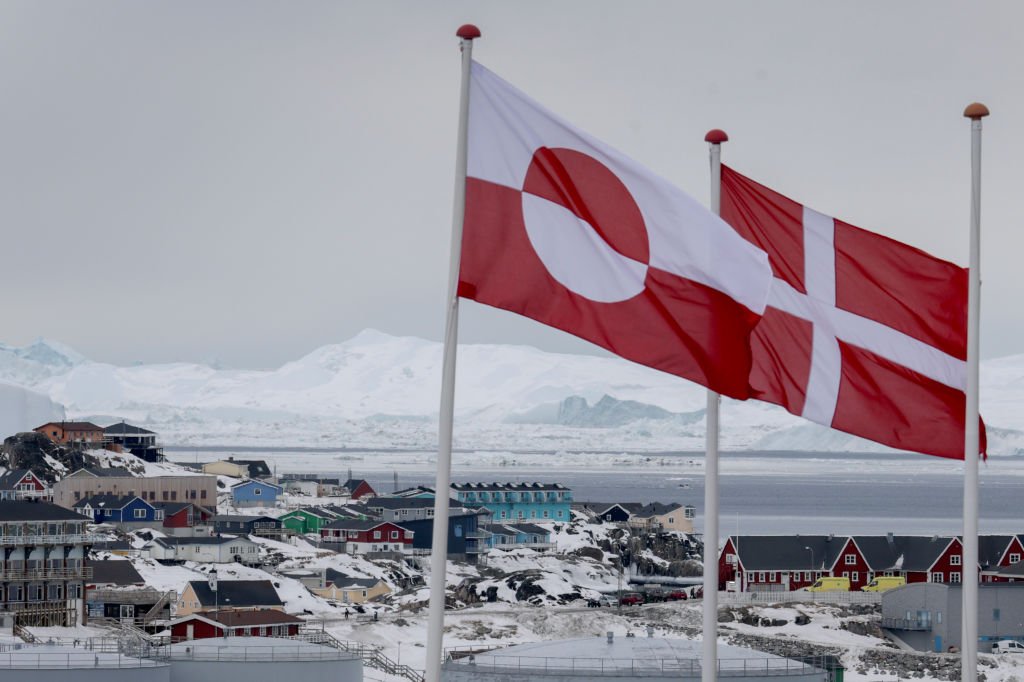
President Donald Trump is reviving his push for Greenland — refusing to rule out force — prompting Arctic specialists to question why Washington isn’t relying on existing agreements with Denmark and Greenland to achieve its goals without triggering political shockwaves.
“The U.S. already has a considerable presence in Greenland, and the ability through various agreements, not least NATO, to assign more personnel and material,” said Marc Lanteigne, a Canadian political scientist at the University of Tromsø in Arctic Norway.
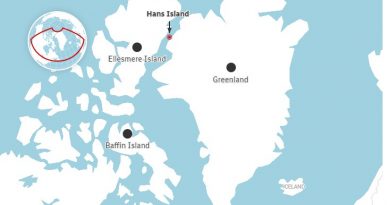
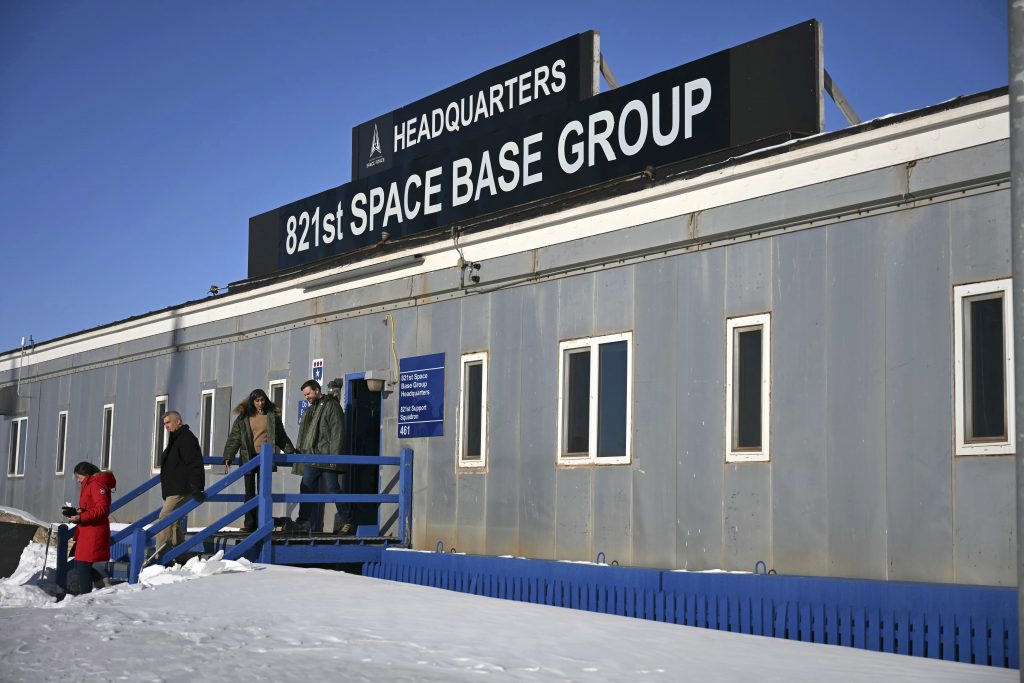
The U.S. presence at Pituffik Space Base in the island’s Far North and the security architecture built since World War II means Washington can already operate and expand if it wants to, Lanteigne said, noting Denmark has repeatedly signaled it would accept an expanded American footprint.
“There’s simply no proof that annexing Greenland would improve American national security as opposed to deepening existing agreements,” he said.
Troy Bouffard, an assistant professor of Arctic Security in the College of Business and Security Management (CBSM) at the University of Alaska Fairbanks, said Trump’s business mindset is key to understanding his approach to foreign policy, where threats aren’t necessarily meant to be real, but allow Trump to escalate publicly before settling for a deal he can promote as a win.
“Everything still looks like a business deal to him,” Bouffard said, likening the Greenland approach to a hostile takeover—an intentionally jarring opening move, followed by public escalation to force concessions the other side might otherwise reject.
The problem, experts say, is that even if the threat isn’t real, the damage could be.
Lanteigne said Trump’s remarks echo 19th-century ideas of spheres of influence, pointing to a recent U.S. national security strategy that emphasizes American dominance across the Western Hemisphere — a framework the administration now appears to be extending to Greenland.
“But the problem is, it’s not the 19th century anymore and if Washington is serious about Arctic security it needs its NATO partners,” Lanteigne said.
Bouffard said the bigger security risk isn’t an imminent military threat, but the uncertainty fueled by destabilizing rhetoric.
“When you disrupt assumptions and contingency planning that allies have built over decades, you have to rebuild all of that, and that’s an enormous amount of work,” he said.
Is Trump overstating the Russia-China threat?
Trump escalated his rhetoric this week, calling Greenland “needed” for U.S. national security and claiming it is “covered with Russian and Chinese ships all over the place” — a portrayal Arctic security experts say doesn’t match reality.
“There’s simply no proof of that,” said Lanteigne, who says Trump’s framing misrepresents the current strategic landscape around the island.
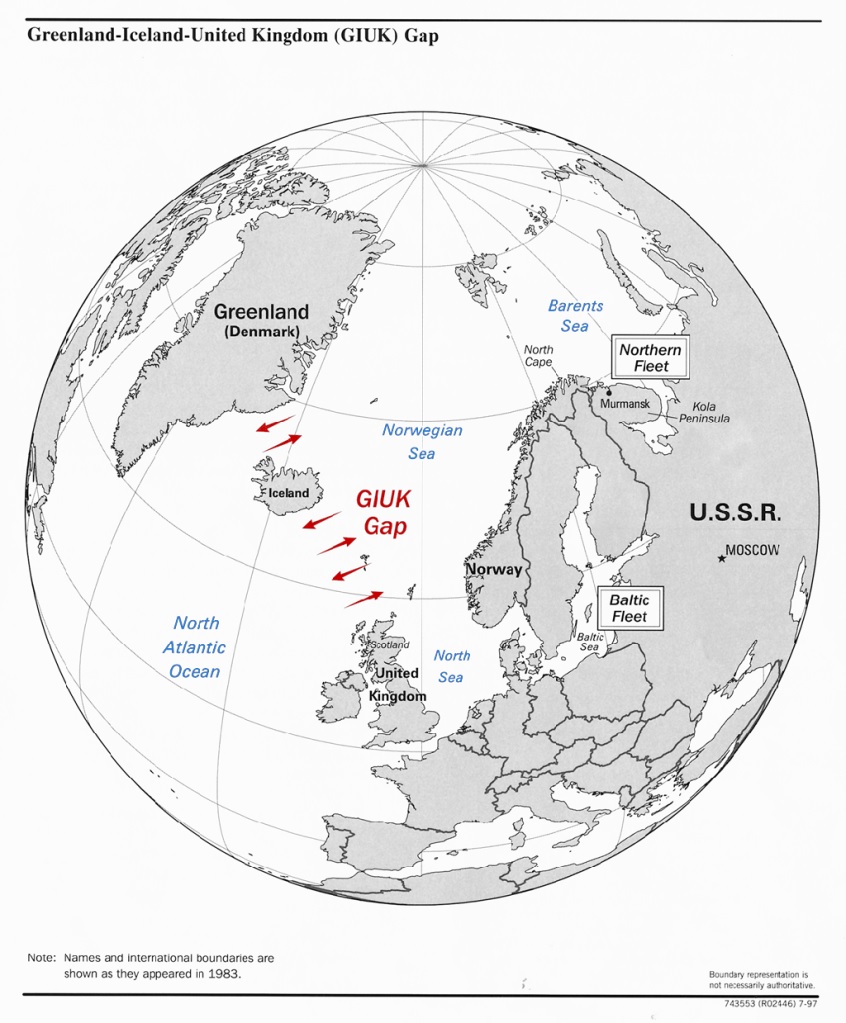
Russia, he said, remains the primary military concern in the broader region, largely because of the GIUK gap, the stretch of North Atlantic waters between Greenland, Iceland and the U.K. that has long been central to tracking Russian submarines. But even there, Lanteigne noted, the area is already closely monitored through longstanding U.S. and NATO arrangements.
Chinese-linked proposals in places like Greenland, Canada, Iceland, Finland, including interest in airport upgrades and mining projects, have repeatedly been nixed on security grounds by Western governments wary of strategic dependence and of allowing long-term footholds through investment.
“The entire Arctic 7 sees eye-to-eye on this,” he said, describing the coordinated effort of Canada, Denmark, Iceland, Finland, Norway, Sweden and the United States, to limit Beijing’s influence in northern affairs.
“Nobody wants China in the Arctic, and we have already, as a Western coalition, effectively kept it out.”
Security implications of Greenland’s independence
Greenland has a population of about 57,000, most of them Inuit. While independence has broad public support, most of Greenland’s political leaders describe it as a long-term goal dependent on economic readiness.
Some analysts suggest Trump’s focus on Greenland reflects concern about that eventual independence — and the possibility that a newly sovereign government could become economically vulnerable to Chinese influence, something Washington is keen to avoid.
Arctic security specialists say that argument doesn’t hold much weight beyond a thought experiment.
Troy Bouffard said Western governments already have tools to manage economic and security risks, even in the event of independence.
“That makes a lot more sense as a far-future contingency than as a present-day rationale,” he said.
Instead of addressing future risks, Marc Lanteigne warned that Washington’s current rhetoric risks complicating Greenland’s political evolution.
“Even the most pro-independence Greenlander understands that defending Greenland upon independence would be very difficult,” he said.
“Denmark wanted to address this kind of quietly and in-house, and that has just been completely kicked aside now.”
Comments, tips or story ideas? Contact Eilís at eilis.quinn(at)cbc.ca
Related stories from around the North:
Canada: Carney meets with Danish PM as U.S. ramps up talk of taking over Greenland, The Canadian Press
Denmark: Denmark approves US military bases on Danish soil as Trump eyes Greenland, The Associated Press
Finland: Only Greenland and Denmark can decide on their own future says Finnish President, Yle News
Greenland: Some Greenlanders express outrage over Trump’s threats. But not all are concerned, CBC News
Iceland: NATO chief to Arctic Allies: “We’re all frontline states now,” as Iceland’s role grows, Eye on the Arctic
Norway: “We want to be Europe’s most integrated region in terms of defence”, The Independent Barents Observer
Russia: Russian navy chief accuses NATO of stepping up spying activities in the Arctic, TASS reports, Reuters
Sweden: Sweden critical of Trump’s latest push for Greenland, Radio Sweden
United States: Denmark, Greenland envoys met with White House officials over Trump’s call for a ‘takeover,’ The Associated Press