Inuit leaders in Canada say threats against Greenland are an attack ‘on us all’
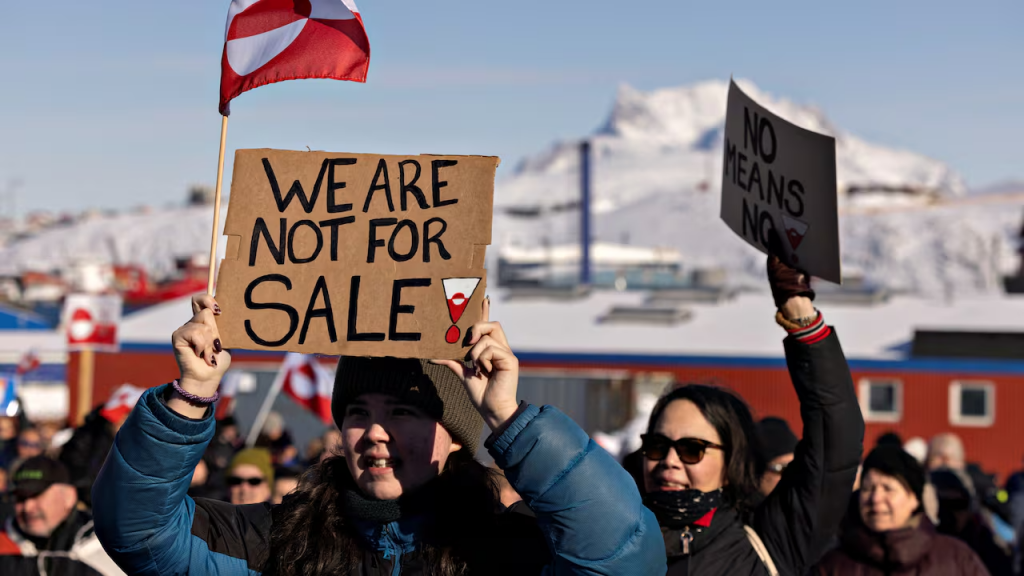
Greenland’s future is for Greenlanders to determine, Inuit leaders in Canada say
Inuit leaders are standing up to voice support for Greenland, with the national body representing Inuit in Canada saying an attack on the Danish territory’s sovereignty is an attack on all Inuit.
In recent days, U.S. President Donald Trump has dropped his threats about taking over Greenland by force. Instead, he’s now pointing to a so-called “framework of a future deal with respect to Greenland and, in fact, the entire Arctic Region” that he says was a result of a meeting with NATO Secretary General Mark Rutte last week.
That hasn’t done much to quell the unnerve across the circumpolar world.
In a social media post on Friday, Inuit Tapiriit Kanatami, the national body representing Inuit in Canada, says Inuit living in Canada, Greenland, the United States, and Russia, are all one people separated by colonial borders.
“An attack on the sovereignty of Kalaallit Nunaat (Greenland) is an attack on us all,” the post reads.
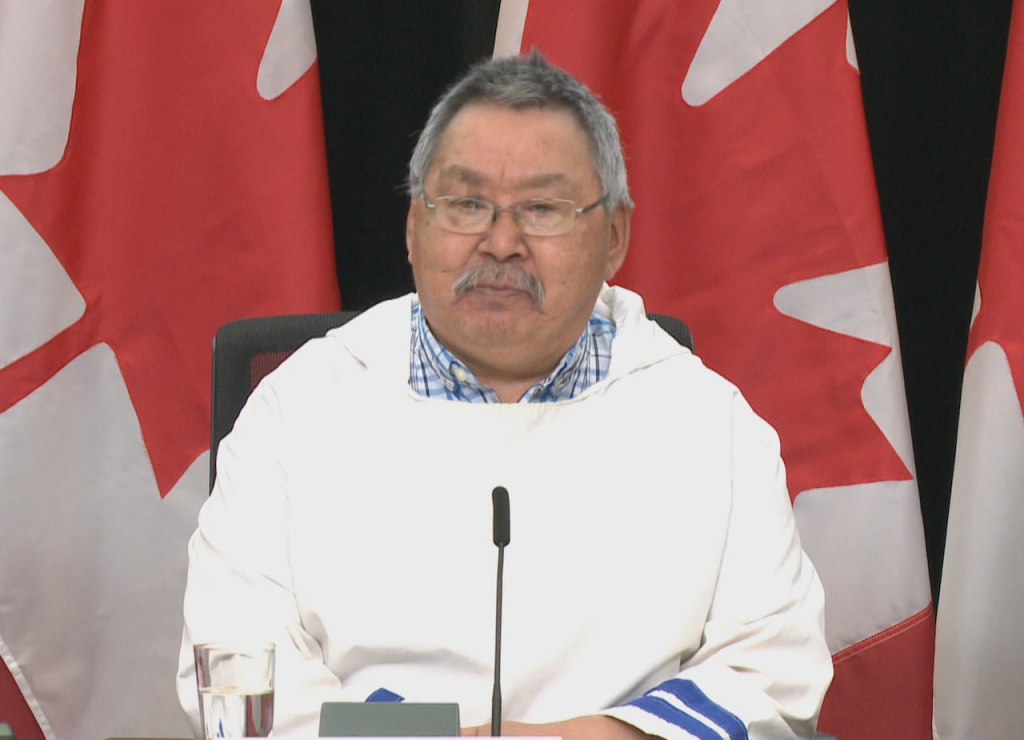
The Nunatsiavut region, which includes five communities along the northeast coast of Labrador, was the first Inuit region in Canada to achieve self-government. The Nunatsiavut Government’s president Johannes Lampe says Greenland’s future is not for the U.S. to determine.
“Inuit have been living [in Greenland] since time immemorial,” he said. “Sovereignty and self-determination is very important at this time.”
‘What hurts Greenland also hurts us’
With Trump’s position on Greenland changing almost on a weekly basis, it’s overwhelming for Aaju Peter to keep up with the news.
The Inuk activist and lawyer grew up in Greenland and now calls Iqaluit her home.
Having lived on both sides of the Davis Strait, Peter says the ties between the two Inuit nations are strong, with shared language, ancestry, customs. That means these displays of solidarity from other Inuit – and other Canadians for that matter – are meaningful.
“What hurts Greenland also hurts us because it is putting us in an insecure situation where we are not sure whether we will be next or not.”

Lampe also shares concerns that there’ll be ripple effects to other Inuit regions. He looks to the crackdowns by the U.S. Immigration and Customs Enforcement (ICE), which has been repeatedly accused of racially profiling suspected immigrants and using excessive force in its operations.
“This could also happen in Alaska, where there are Inuit,” he said.
What should Canada do?
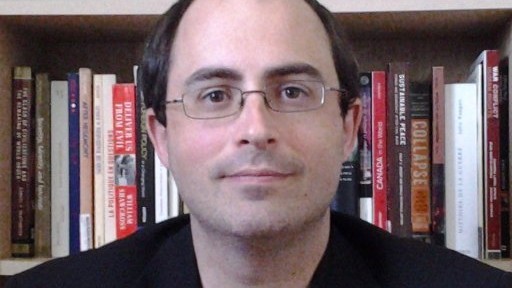
Mathieu Landriault has been watching developments in Greenland closely as the director of the Observatoire de la politique et la sécurité de l’Arctique, A Quebec-based research centre. While he doesn’t see any immediate signals that threaten Canada’s sovereignty, he is worried that whatever concessions are made about Greenland could set a precedent.
He also points to the White House’s National Security Strategy released in December, which states the U.S. administration’s desire to retain the world’s most “enviable position” and “no competing powers physically dominant in our hemisphere.”

As for sending the U.S. a strong signal to back off Greenland, Landriault says he understands Canada’s need to foster its bilateral relationship with the U.S., but he believes there is room for more diplomatic missions and more surveillance activities.
Earlier this month, two senior Canadian officials told CBC News the prime minister is considering sending soldiers to Greenland for military exercises alongside North Atlantic Treaty Organization (NATO) allies.
“This is easier, I think, for us to cooperate with Greenland and to ensure security, especially on the western side of Greenland where we have a common border,” he said.
But that work is contingent on there being adequate infrastructure in the Arctic, like roads, airstrips and ports. Landriault believes it’s important those projects are built to be dual-use, for both military and civilian purposes.
“How does it serve local communities … and how it ensures other types of security like food security, human security, environmental security,” he said.
Peter says she appreciates the work the Canadian government has already done to support communities in the Arctic, though she wants to see more collaboration and involvement of more local hunters and fishers.
“Together we can have our own eyes and ears open, because the hunters go out regularly every day. They know the landscape in and out,” she said.
Related stories from around the North:
Canada: Analysis: By suddenly declaring a deal on Greenland, Trump demolished his case for owning it, CBC News
Denmark: EU chief promises ‘unflinching’ response to new tariffs as Trump trolls and threatens on social media, Reuters
Finland: Greenland clash left a mark on EU-US relations says Finnish PM, Yle News
Greenland: New Italy Arctic policy adds U.S. Greenland ambitions to growing Arctic competition narrative, Eye on the Arctic
Iceland: NATO chief to Arctic Allies: “We’re all frontline states now,” as Iceland’s role grows, Eye on the Arctic
Norway: “We want to be Europe’s most integrated region in terms of defence”, The Independent Barents Observer
Russia: Russia claims first-ever North Pole aerial refuelling, TASS reports, Reuters
Sweden: Swedish military intelligence on the great power rivalry over Greenland, Radio Sweden
United States: NATO’s Rutte: two “workstreams” on Greenland agreed upon with Trump, Reuters