
Northern aviation deserves same de-icing resources as the south, says pilot
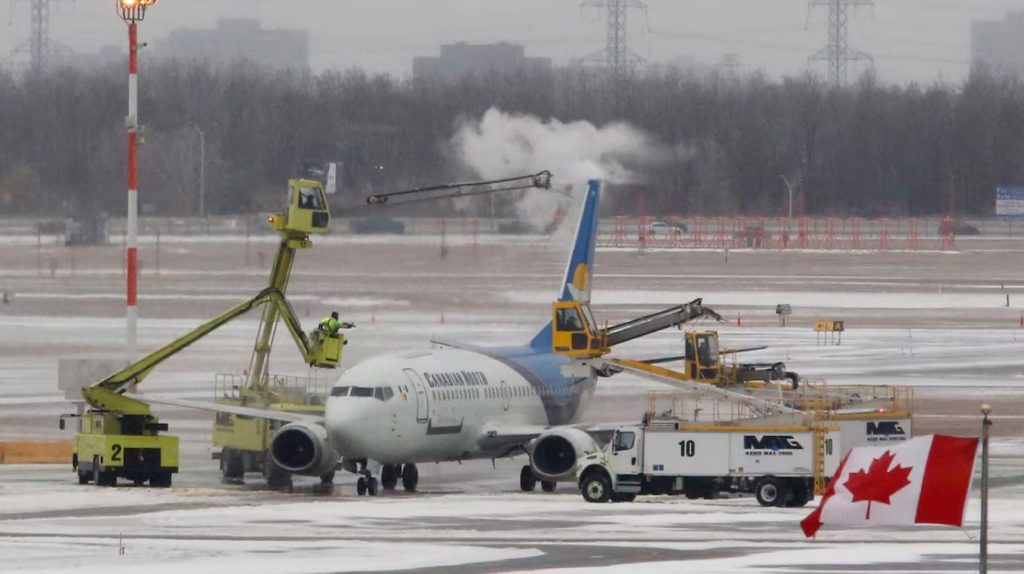
For pilot Laval St. Germain, the Transportation Safety Board’s report into the fatal 2024 Fort Smith plane crash that killed six and left one survivor highlights the need for more reliably available de-icing equipment in the North.
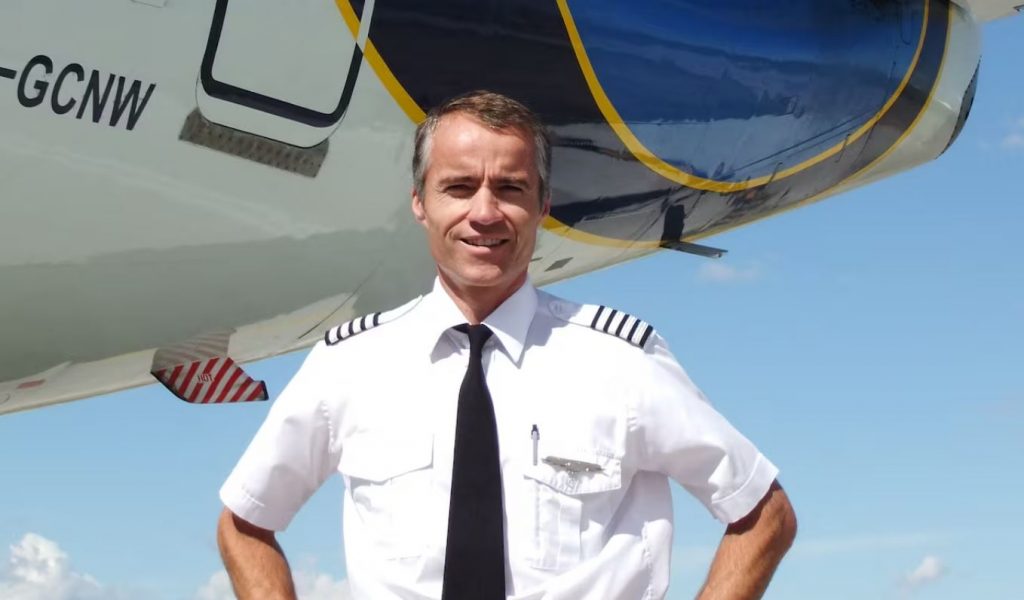
“Sadly, when you read this report, you realize that there was no way to de-ice the aircraft anyway,” said St. Germain, who has been a pilot in the North since 1998 and currently flies for Canadian North.
The safety board’s report found one of the contributing factors to the crash was the way the plane took off at a lower altitude pitch, flying faster to shed snow accumulated on its wings.
Planes are not supposed to take off if snow or ice are sticking to some critical surfaces like the wings, because there is a risk it may affect aircraft performance in the air.
In the Fort Smith crash’s case, the safety board found that the plane did not experience those kinds of effects, so it wasn’t the snow itself that contributed to the crash.
But the report raises the question of how often planes take off with snow on the wings even if they aren’t supposed to.
Members of the aviation community in the N.W.T. emphasized that’s not supposed to happen, but, they say, there are challenges with maintaining de-icing equipment in the North, which sometimes leaves pilots with the decision to either cancel flights or take off anyway.
Why de-ice airplanes?
Canadian regulations require departing planes to abide by the clean aircraft concept, which means they should not take off if there is anything at all, including snow or ice, sticking to surfaces critical to the aircraft’s performance, like the wings.
St. Germain stressed that “sticking” is an important component here. He says pilots check if snow is adhering to the plane before taking off. If it isn’t, they can proceed because the snow will blow off while the plane rolls down the runway.
He said otherwise, planes should not be taking off.
If snow or ice is sticking, de-icing and anti-icing fluids can be used to clear buildup.
The safety board’s report on the Fort Smith crash notes that Northwestern Air Lease had a converted pickup truck it could use to apply de-icing fluid to planes. However, in the months leading up to the crash, it became unserviceable, and had not been repaired.
Northwestern Air Lease did not respond to a request for comment by deadline to provide context as to why that was.
Who makes sure de-icing equipment is available?
Air carriers, not airports, are responsible for making sure de-icing equipment is available where it’s needed.
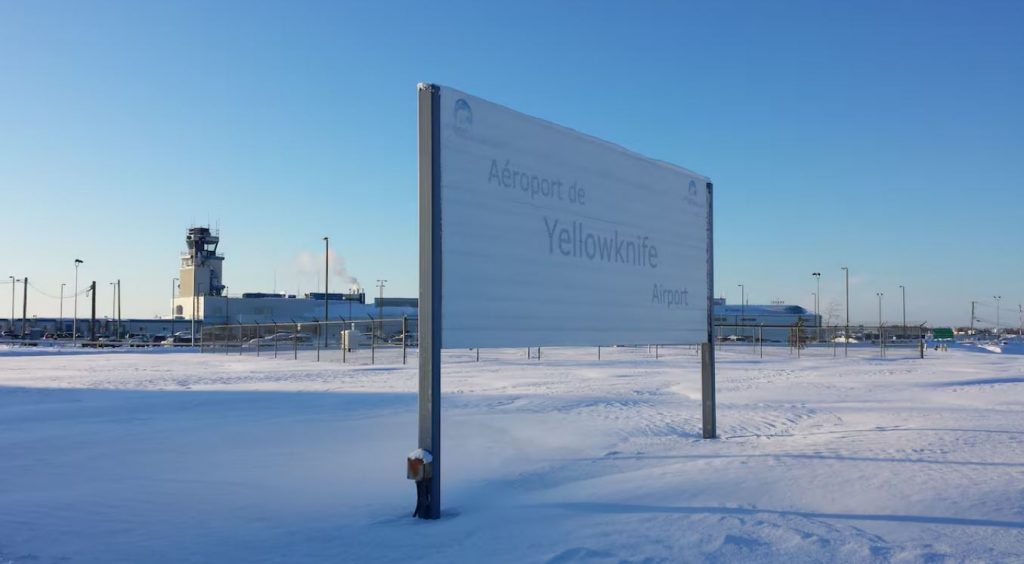
The N.W.T.’s infrastructure department said in an email that “at several N.W.T. airports, air carriers have established their own de-icing capacity.” Those include Fort Smith, Fort Simpson, Norman Wells, Yellowknife, Inuvik and Hay River.
The department also said Transport Canada is the agency that sets and enforces safety standards, including requirements for airlines.
In 2018, the safety board recommended that Transport Canada step in to figure out how to address airports where some of the equipment might not always be available.
The public bodies have been going back and forth since then.
In a statement, a spokesperson for Transport Canada said “overall, the department is prioritizing practical, system-wide improvements to reduce risks associated with aircraft icing, rather than relying on static equipment tracking.”
The department said it continues to consult with industry stakeholders on the topic and conducts compliance inspections of air operations at remote airports in the North.
The TSB has told Transport Canada it disagrees with its conclusions, and has deemed it is currently unable to assess if Transport Canada is fulfilling the recommendation it received.
The responsibility of airlines
Many air carriers in the N.W.T. are represented by the Northern Air Transport Association (NATA).
The association’s executive director, Bernard Gervais, said “they do have challenges, but safety is always their priority, and it’s always been.”
As a pilot himself, he said both regulations and common sense dictate that planes should not take off with snow or ice stuck to the exterior, and NATA members say planes don’t take off if they are not completely cleared.
The challenges tied to maintaining that equipment in the North are largely due to supply chain issues if parts are needed for repairs, Gervais said.
He also said bringing the equipment to remote locations, or having people on the ground with the right training to use that equipment can also pose challenges.
As for equipment being broken down for months, Gervais said that does not happen “very often.”
Gervais also said some of his members do see room for rules requiring airports to maintain de-icing equipment, even if it means adding fees for the service.
He compared it to airports in southern Canada having de-icing centres as part of their infrastructure.
St. Germain said the aviation sector should act on safety board reports and “not just put [them] on the shelf.”
In this case, it could mean improving access to de-icing equipment in northern communities, he said.
“I think we as aircraft operators and people that live in the North should be given the same amount of resources as a person flying out of Calgary, Montreal or Ottawa or Vancouver,” he said.
A report written by Sarah St-Pierre
Related stories from around the North:
Canada: Remote Canadian community’s request for direct flight to Arctic Nunavut territory can no longer be ignored says, CBC News
Finland: Estonian president favorable towards Arctic railway project, cautious about future of Arctic shipping, Eye on the Artic
Russia: Train traffic resumes in Russian Arctic as Murmansk reconnects with grid, The Independent Barents Observer
Sweden: Finland-Sweden train travel moves a step closer, Yle News
United States: Airline shutdown creates new challenges for rural Alaska, The Associated Press