‘It’s an issue of accountability’: Yukon man calls for more transparency on energy bills
Nathaniel Yee says customers deserve to have a clear ‘baseline’ price they understand
With power rates in Yukon set to increase in January, some customers say they want more transparency on their bills.
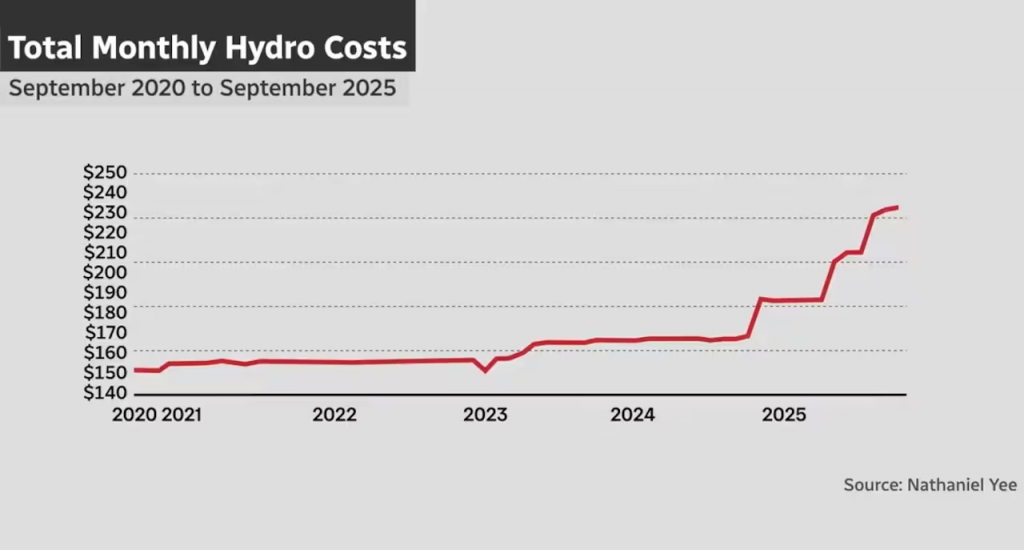
Faro resident Nathaniel Yee says by his own calculations using a website he’s built, his bills have gone up by over 50 per cent over the last five years.
When Yee moved from Quebec to the Yukon and got his first energy bill, he was confused. He was also used to seeing the rate per kilowatt hour clearly listed on the bill, and he was unfamiliar with something called riders.
“It was rather shocking,” he said. “I hadn’t noticed that, just paying my bills. The problem is that rates and usage are both variables. It’s hard to tell if maybe I used a little more electricity or if rates went up.”
Now, ahead of rate increases planned for January, Yee says customers deserve to have a clear “baseline” price they understand in order to understand the impacts of the upcoming rate hike.
“Because they’ve added all these variable things onto [bills], you never really know what you’re paying for those units of energy,” he said. “To me, it’s an issue of accountability and transparency, and it helps customers make informed decisions about energy usage.”
Yee, who also acts as an intervenor on Yukon Energy rate hearings, created a spreadsheet comparing his bills between September 2020 and September 2025. He found he was being charged more than 50 per cent more for the same 800kW of energy — and said his neighbours saw similar rate increases.
The complexity comes in large part, Yee said, from riders.
“Some of the riders applied to the base monthly costs, some of them apply to the usage to the number of kilowatt hours, and some apply to both,” he said.
What are riders?
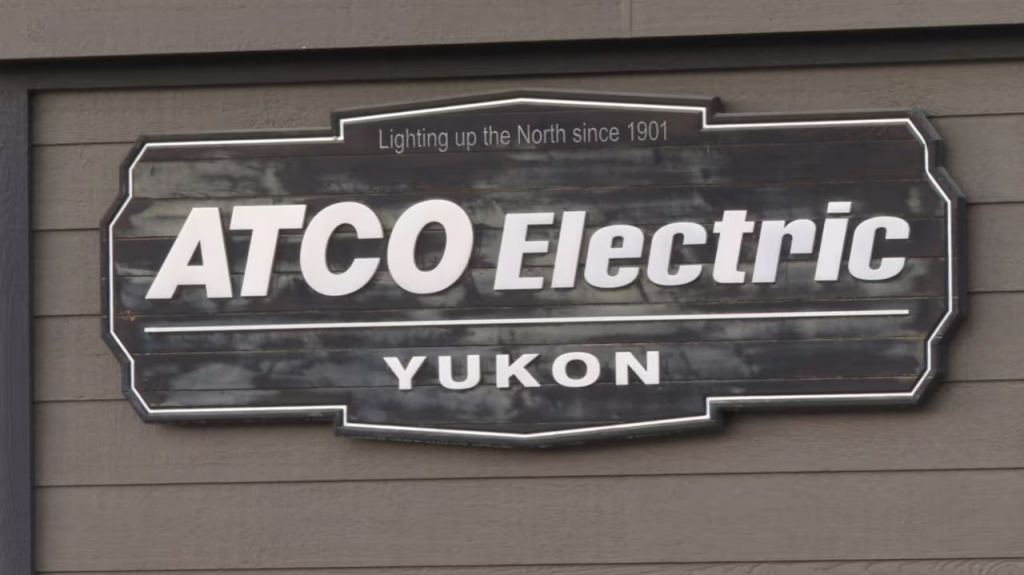
Riders are temporary charges which come from ATCO and Yukon Energy.
“They’re added to our base rates, which were set in 2011,” explained ATCO manager Tony Badry. “Since then, there’s been upgrades to the power system, there’s been a lot of work, a lot of projects built, and so those charges need to get captured, and the way they do it is through riders.”
After the company makes a rate application, the Yukon Utilities Board decides whether the charges can go ahead.
“I do sympathize with the higher costs of living all around,” Badry said. “In every industry, prices have gone up. But the way we use electricity has changed in the last 10 years.”
Badry says there’s now electric heat, electric vehicles, and electronics in houses that weren’t there before.
“All of those things add additional stress to our system, which require upgrades to our system so we can provide reliable power … and they’re very much needed,” he said.

When asked why ATCO bills in Alberta show rate per kilowatt hour and Yukon bills don’t, Badry said there is a tool available to calculate your kilowatt hour rate online, as well as a rebate program where bills can be balanced to account for winter costs if customers want to see more consistency.
In September, the Yukon Party pledged to cut the power rate if elected.
In a statement to CBC, Yukon Energy spokesperson Keely Bass said they applied for the power rate increase to help fund, “more than $350 million in critical investments needed to modernize the Yukon’s electricity system and ensure an adequate and dependable supply of power during the winter months. ”
“Yukon Energy is actively working with the Yukon Development Corporation and the government of Yukon to find ways to lessen the impact of these necessary system investments on customers’ bills,” Bass wrote.
Related stories from around the North :
Canada : Experts say linking Yukon, B.C. power grids a ‘game-changer’ but will take time, CBC News
Finland : Sami turn down participation in Lapland wind power survey, Eye on the Arctic
Norway : World’s northernmost coal power plant shuts down, The Independent Barents Observer
Russia : Russian nickel miner wants nuclear power for Arctic plant, The Independent Barents Observer
Sweden: Electricity to get more expensive in the north due to new Sweden-Finland powerline, Radio Sweden