Iceland plans visitor fee to address overtourism at three famous Golden Circle sites
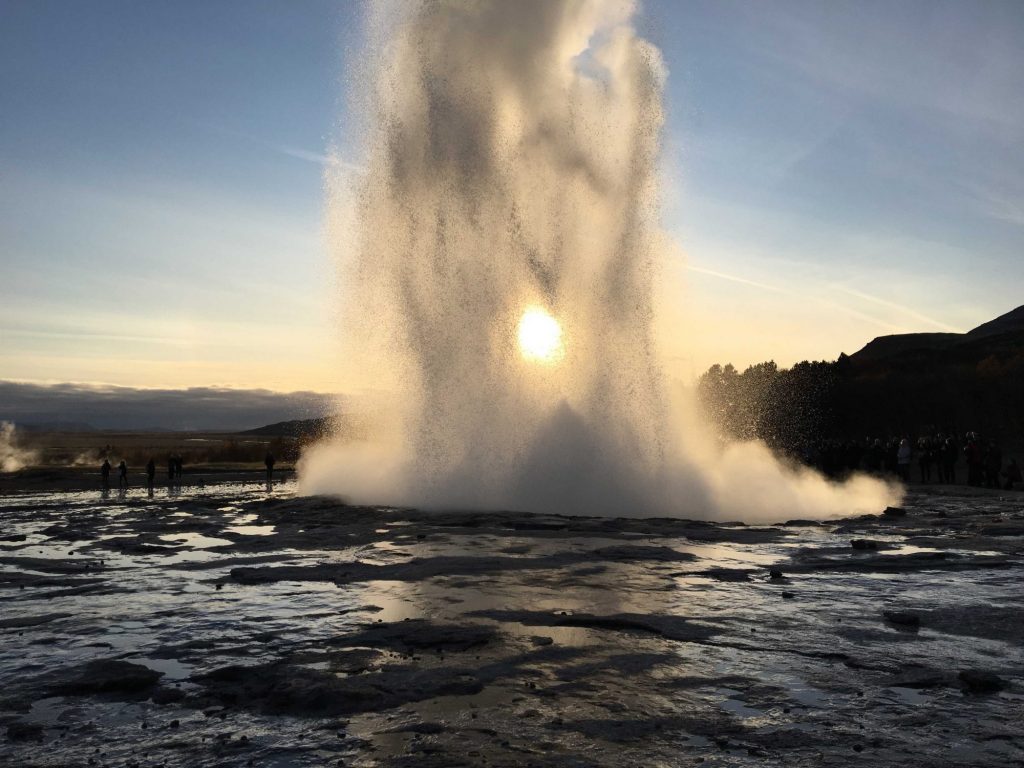
Iceland’s government has published a draft bill that would impose a new fee to visit three of the country’s most popular sites, as it tries to get a handle on overtourism and its impacts.
Iceland’s tourism industry has exploded over the past 20 years, fuelled in part by social media showcasing the country’s dramatic landscapes to the world, at the same time that a growing number of low-cost flights made the island relatively cheap and easy to reach from both North America and Europe.
But the speed of the growth caught the country off guard.
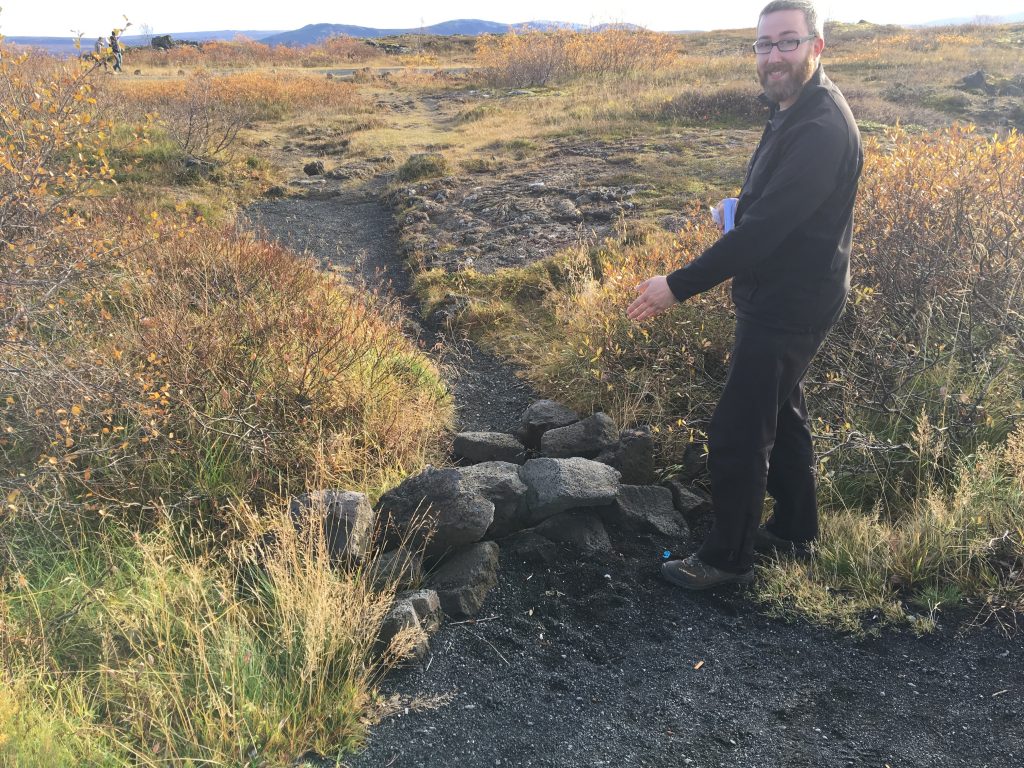
Fragile landscapes at some of Iceland’s busiest attractions struggled under the pressure of hundreds of thousands of visitors, while governments struggled to build and maintain the trails, parking lots, washrooms and other infrastructure needed to protect the sites and manage the crowds.
“There’s been a consensus for a long time, both on the part of the tourism industry and the public, that there’s a need to finance development and maintenance work due to the strain on infrastructure and nature that’s accompanied the rapid growth of tourism,” Iceland’s Minister of Industry and Trade Hanna Katrín Fridriksson said in a Sept 22 statement.
“Previous governments have tried many times to find a solution to this issue and submitted proposals in this regard, without any results being achieved.”
Estimated to generate 6-7 billion ISK ($70-81.6 million CDN) per year
If the bill becomes law, people over 18 years old who don’t pay taxes in Iceland would be required to pay an ISK 4,500 (approximately $50 CDN) nature and infrastructure fee in the high season and ISK 3,000 (approximately $35 CDN) in the low season.
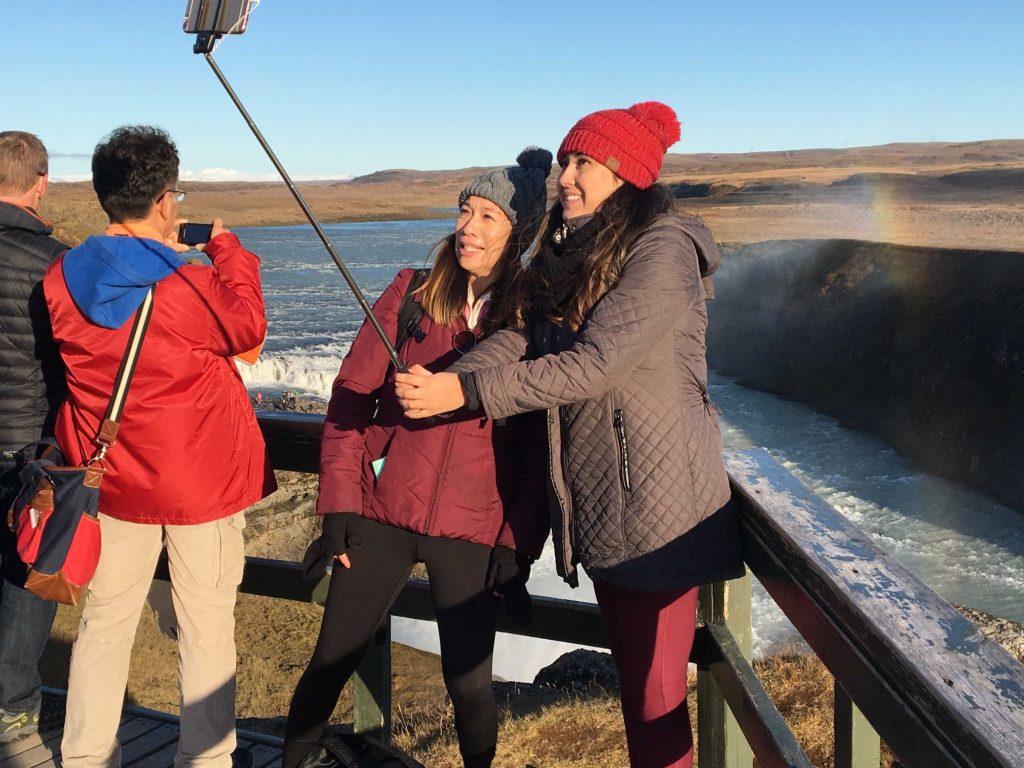
The fee would allow access to three of the main attractions on Iceland’s Golden Circle tourist route: Geysir, Gullfoss and Thingvellir National Park.
The QR-code pass would be valid for one year.
Tour companies would be allowed to buy passes for their customers.
The industry ministry said the fee would generate six to seven billion ISK (approximately $70-81.6 million CDN) per year for the treasury.
The draft bill’s period of public comment runs until Oct. 7.
If passed, the bill would come into effect on May 1, 2027.
Comments, tips or story ideas? Contact Eilís at eilis.quinn(at)cbc.ca
Related stories from around the North:
Canada: Yukon tourism forecasts ‘very good season’ after record cruise traffic in 2025, CBC News
Norway: Arctic tourism in Norway: “People crash into trees and get broken bones”, The Independent Barents Observer
Sweden: Reindeer herding affected by increased tourism in Swedish mountains, Radio Sweden