Q&A | Years in the making: Tr’ondëk Hwëch’in chief weighs in on proposed Dawson regional land use plan
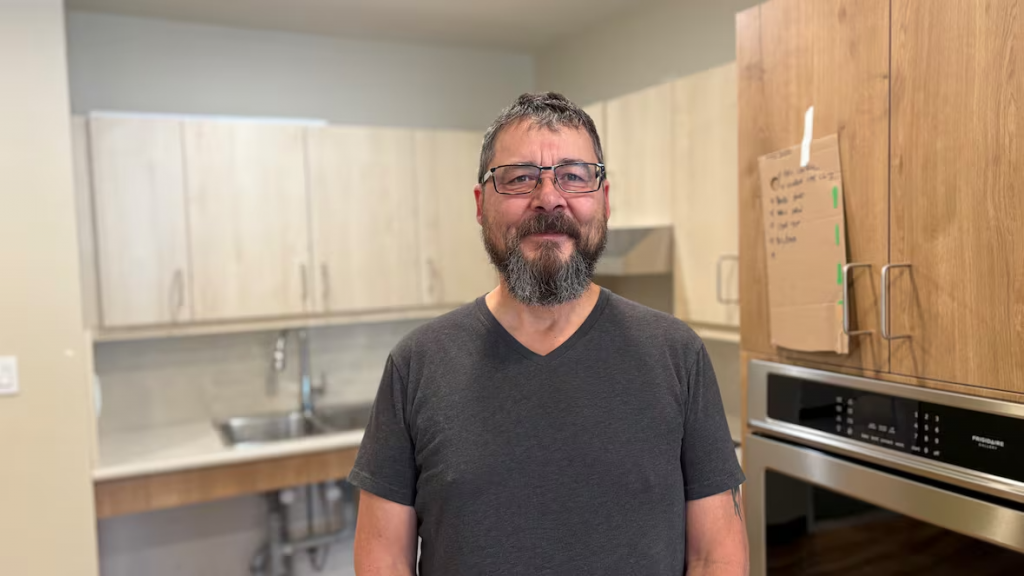
Darren Taylor hopes to see a final agreement on the plan in place next year
Tr’ondëk Hwëch’in Hahke (chief) Darren Taylor says he’s hopeful his First Nation and the Yukon government can come to a final agreement on the Dawson regional land use plan sometime in 2027.
“Then we can just get on with business and everybody knows the rules in regards to what activities can and can’t take place throughout Tr’ondëk Hwëch’in’s traditional territory and move on,” he said.
Technically, work began on the plan in 2018. But the proposed plan’s roots stretch back to the 1998 signing of the Tr’ondëk Hwëch’in Final Agreement, and, in a very real way to the 1898 Klondike Gold Rush that brought waves of settlers and permanent disruption to the First Nation’s traditional territory.
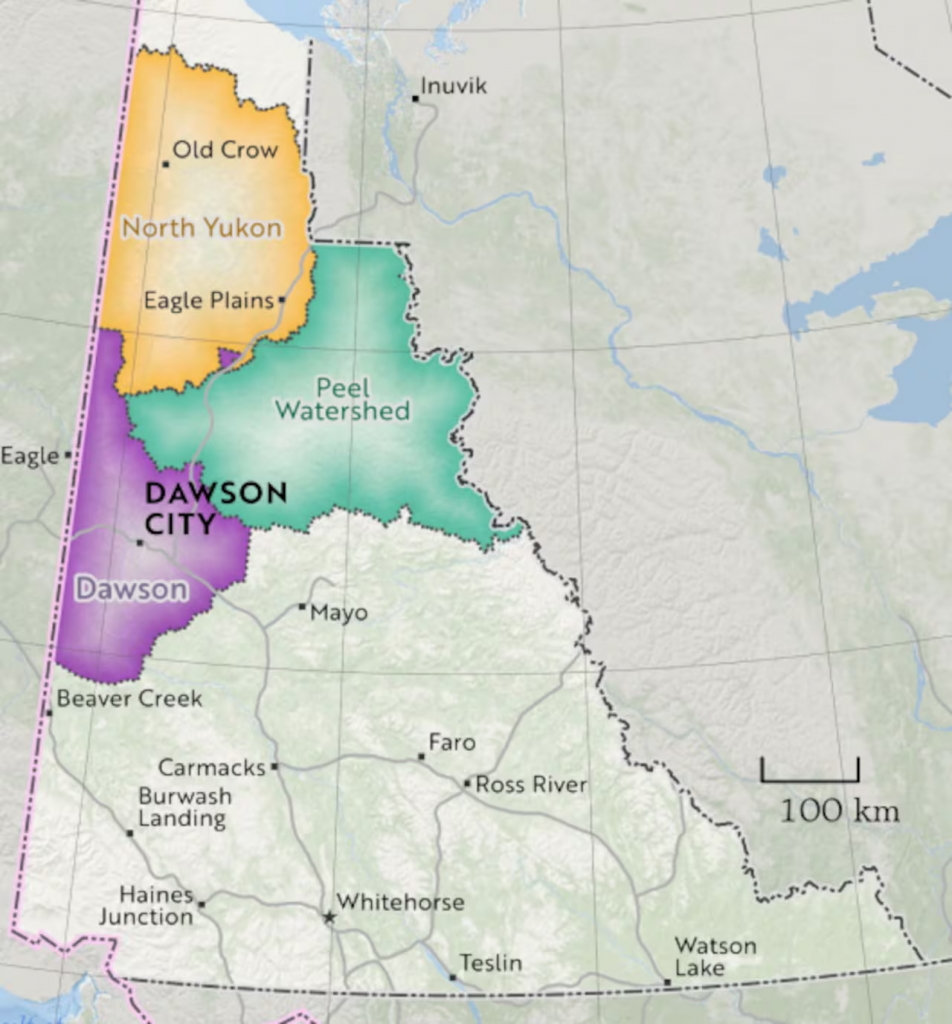
The proposed plan outlines acceptable land uses on 40,000 square kilometres in north central Yukon, an area nearly the size of Switzerland.
Taylor spoke with CBC reporter Chris MacIntyre.
This interview has been edited for length and clarity.
Q: Now that you’ve had a chance to look the plan over, how are you feeling about it?
A: When we look at the plan itself, we find a fine balance between environmental protection and stewardship, protection over rights, titles, and interests, archaeological, historic sites, fish and wildlife populations and their habitats that are important to us.
But [it’s] also identifying areas for economic development and resource extraction to stimulate not only the economy in here and Tr’ondëk Hwëch’in traditional territory, but ultimately the Yukon and Canada as it relates to critical minerals, building Canada’s economy, Arctic security, sovereignty, food security. So there is a lot that’s being contemplated by way of the plan.
It’s also a foundation for meaningful participation, management of lands and resources on our traditional lands, and obviously that was a promise by way of our treaty and more than 25 years later, we are pleased to be moving towards this realization.
Is there a fear that there’s a chance that this might not be accepted and the plan could get rejected? And then if that’s the case, how long do you foresee that taking?
If it’s not, then we’re going to find ourselves in a position where if we don’t plan accordingly then it’s all going to be detrimental to our respective interests when we don’t have any control or any plan in regards to how our environment is going to be managed and utilized for everybody’s benefit.
It leads to a lot of environmental conditions by way of pollution, it leads to impacts on our rights, titles, and interests, impacts on fish and wildlife populations that Aboriginal people have relied on for millennia. In that context, I think it’s an important issue that benefits everybody, that sets clear rules and procedures in various areas in regards to how those resources, renewable and non-renewable, are going to be managed.
And again, it provides certainty for investors, for developers, mining communities. I’m always apprehensive in just saying we’re open for business by way of building Canada’s economy and critical minerals and everything else, because everybody else around the world depleted all the resources, and now they’re looking north.
And in particular here in Tr’ondëk Hwëch’in traditional territory, we’ve experienced negative impacts around resource extraction, particularly during the gold rush. We haven’t benefited, we’re still living with a bunch of contaminated sites, and we’re obligated to clean those sites up, and so it’s costing taxpayers a lot of money, and I think we can do a lot better moving forward by way of land use planning.
What happens if, for whatever reason, it has to go back to the drawing board?
If we do have to go back to the drawing board, then obviously it’s going to cause significant delays, it’s going to create additional land use conflicts, and then more importantly, I’m not going to be supportive of critical minerals or anything else without clarifying these details.
So it would be foolish for us to say we disagree with the land use plan and defer this process any longer, because, again, if we’re not going to reap any benefits or provide clarity and context to what areas can be developed and what areas should be protected in the context of our agreements, then I’m reluctant to support these activities occurring in Tr’ondëk Hwëch’in traditional territory.
Because, again, we haven’t benefited one bit in the past, and so I think it’s important that the general public and our signatories, the federal and territorial governments, see some importance of getting this work done and finalized.
In the absence of that, then I can’t support any mining or any more developments unless the industry comes directly to Tr’ondëk Hwëch’in and negotiates an IBA directly with us so we can incorporate some of the concerns that should be addressed by new mining legislation or land use planning.
So, there’s other avenues. I’m not saying we’re going to lock everything up.
With files from Chris MacIntyre
Related stories from around the North:
Canada: Inuit push for land protection with focus on social economy, Eye on the Arctic
Sweden: Land use rules getting hindering climate adaptation efforts in Swedish municipalities, Radio Sweden