
Federal gov’t not wading into debate over Bay of Fundy and Nunavik tides
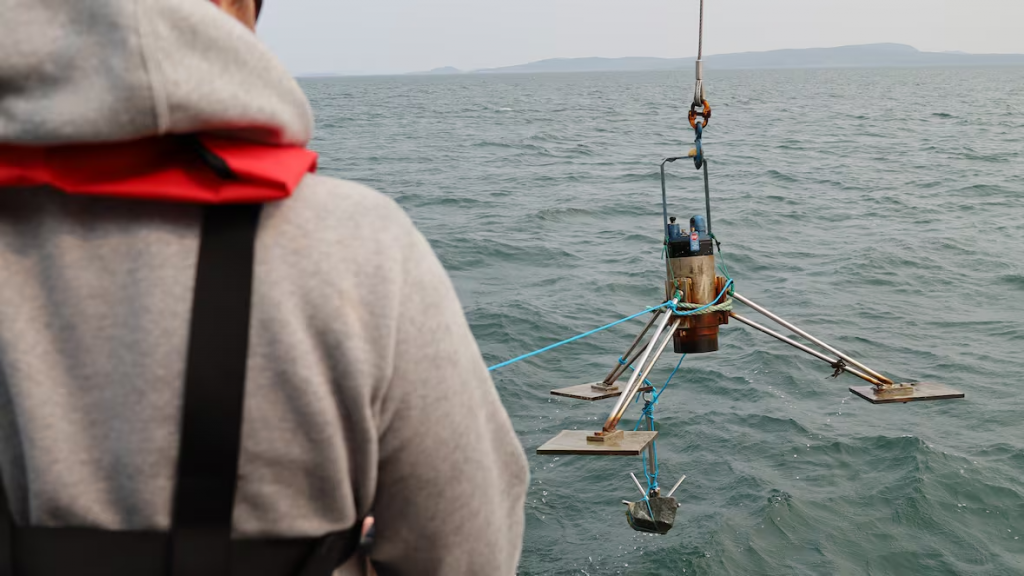
Makivvik Corp. says its data shows Tasiujaq, Que., has greatest tidal range in Canada
For the second year in a row, the Makivvik Corporation in Nunavik says it has data to prove that the greatest tidal range in Canada is in Tasiujaq — and not the Bay of Fundy.
But the Canadian Hydrographic Service (CHS), a division of Fisheries and Oceans Canada, won’t confirm that.
Adamie Delisle Alaku, Makivvik’s vice president of environment, wildlife and research, wants the record to be set straight. He calls the CHS’s stance “very frustrating.”
“They do not seem to want to justify that Tasiujaq has the highest tide,” he said. “They’re kind of dismissing our data and not asserting our claim that it’s the highest.”
For decades, the Bay of Fundy between Nova Scotia and New Brunswick has been said to have the greatest tidal range in the world, and even holds the Guinness World Record.
However, Makivvik has been collecting data from the mouth of Leaf Basin near the community of Tasiujaq, in 2024-25 and again in 2025-26, and says it’s got the Bay of Fundy beat.
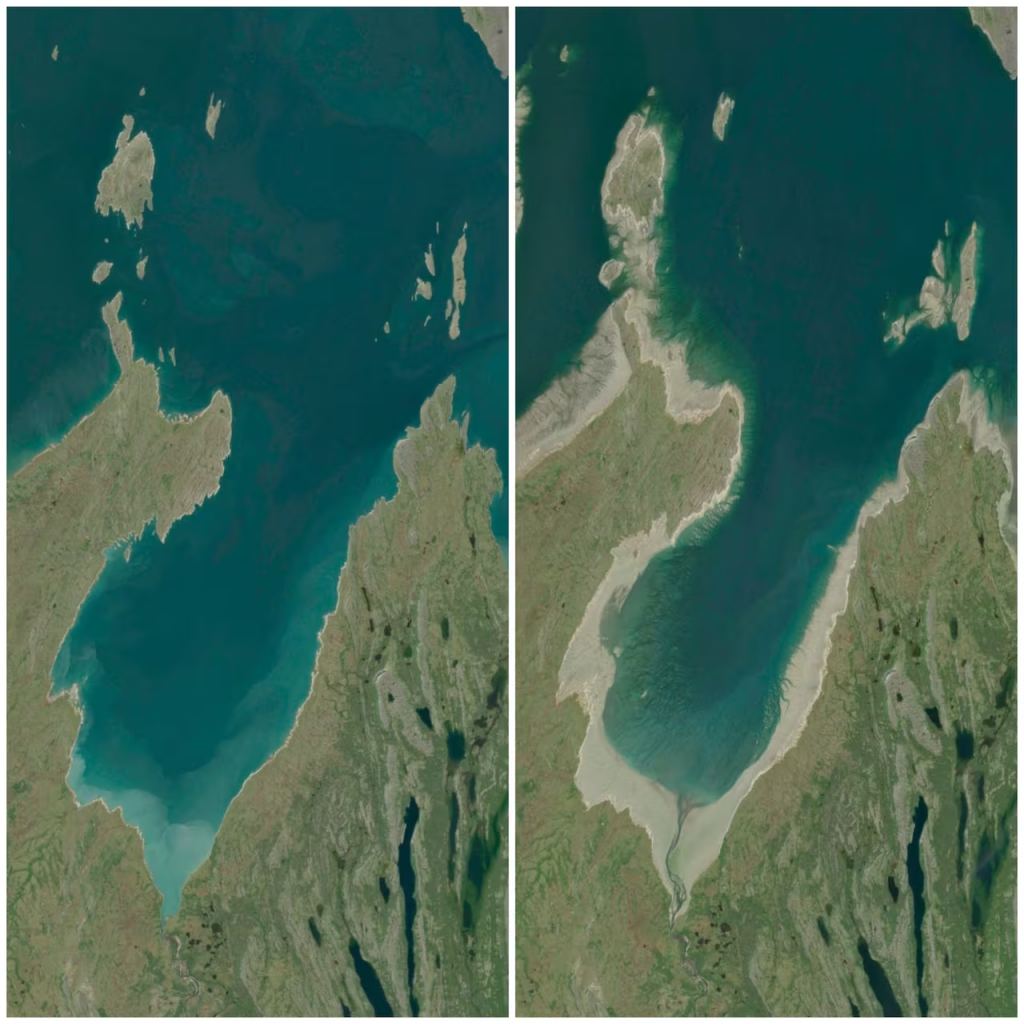
This year, the highest reading from Makivvik’s two gauges showed a range of 16.92 metres. That’s an increase from last year’s study which measured the tidal range at 16.35 metres at its north end.
According to the CHS’s annual report for 2026, the tidal range at Nova Scotia’s Burntcoat Head measured 15.9 metres, while Tasiujaq measured 16.3 metres.
Both Makivvik’s and CHS’s figures are also higher than what is currently listed in the Guinness World Records, which says the mean spring tidal range at Burntcoat Head is 14.5 metres.
Not a rivalry
Delisle Alaku insists it’s not a competition, but it is about getting the facts right.
“We’re not doing this to prove anyone wrong,” he said. “We’re just trying to ensure that we’re taking this seriously and the local people of Tasiujaq have known for a long time that we do have the highest tide in the world.”
Dave DeWolfe is a private consultant who has studied tides for over 50 years and is helping Makivvik with its study.
“The highest tide I’ve ever measured is the one on Tasiujaq this year,” he said.
“The two places in the world that have the highest tides are Leaf Basin in Tasiujaq, and the Bay of Fundy — and so I think it’s awfully nice to know which one is the highest, and they are different.”
In an email, Tourism Nova Scotia said it’s proud of the Bay of Fundy’s Burntcoat Head and notes it has held the Guinness World Record since 1975.
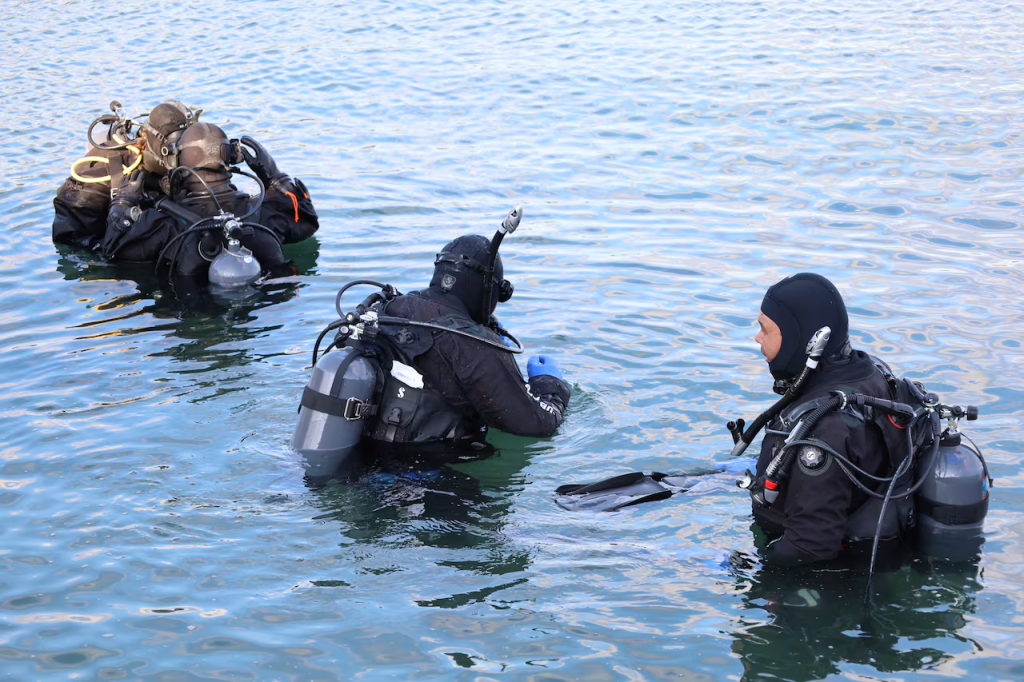
A Fisheries and Oceans Canada spokesperson said to truly compare the tides at the Bay of Fundy and Tasiujaq, both locations would need to be measured over the same timeframe.
The spokesperson said the CHS does not establish or verify records and its role is to ensure safe navigation, adding that they can’t comment on the process for securing the record.
Despite CHS’s mandate, DeWolfe said it’s not that hard to compare the two locations.
“They talk about the difficulties of the analysis of it and I agree it can be difficult, but they’re non-committal,” he said. “Basically they say it’s not their job.”
Delisle Alaku said Makivvik will look for more funding to do even more data collection in Nunavik and could even look to other entities like the Guinness World Records to set the record straight.
“We might have to go back to them and have this reaffirmed once and for all, as the federal government does not want to dip its toes in these waters — pun intended,” he said.
Related stories from around the North:
Canada: Polar oceans growing more chaotic as planet warms, with impacts for undersea life: study, Eye on the Arcitc
Finland: Flooding in Finland is getting worse, new climate report says, Yle News
Greenland: Ocean currents may be driving mercury pollution in Arctic, says study, Eye on the Arctic