
Gold prices drive Yukon placer mining production to new heights
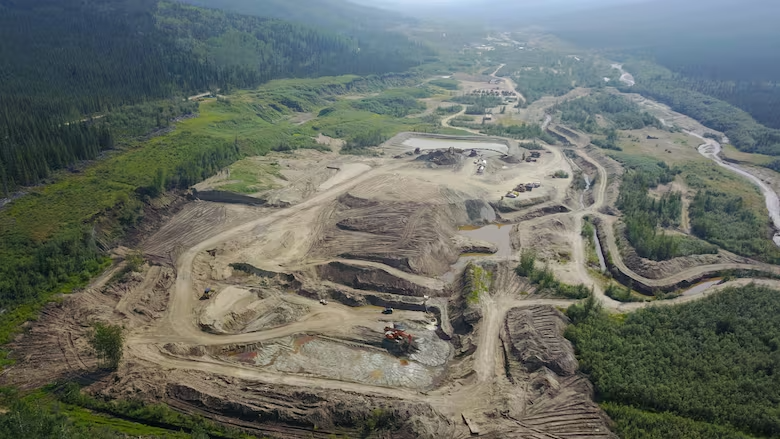
Territorial government took home $36,000 in royalties on industry revenue of $284 million
More than 125 years after the Klondike gold rush, the Dawson City area generated the highest amount of gold production revenue ever recorded last year.
“For the fiscal year of April 1, 2024 to March 31, 2025, there was a 34 per cent increase in reported gold production,” said Sydney van Loon with the Yukon Geological Survey.
YGS attributes production increases to high gold prices, favourable weather conditions and “increasingly sophisticated large-scale operations.”
While final figures from this past summer won’t be available until November, those same factors remain in play this year.
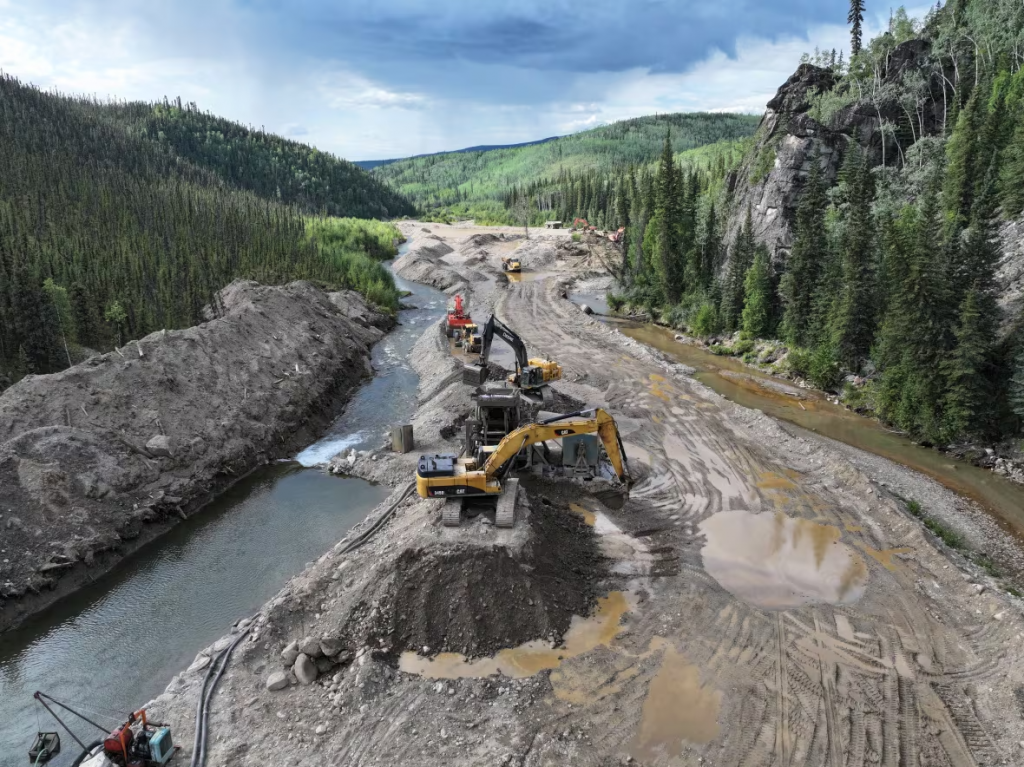
Tim Osler, a placer miner, says the high price of gold is changing placer mining in a number of ways.
“All these tiny little weed drainages that had no interest before, people are jumping on them, staking them all up,” he told CBC. “It’s allowing people to upgrade their machinery more. You’re starting to see more newer machinery, larger machinery.”
These machines are often more efficient, both in terms of productivity and fuel efficiency, he says.
Years ago, miners would need to recover one ounce of gold per 100 yards of sluice ground, a common metric in placer mining, to break even.
“But with this gold price, it kind of changes those economics,” van Loon said. “From what I’m hearing from the miners on creeks, half an ounce per 100 loose cubic yards is now doable.”
“People are going after ground that might be 150 yards per ounce and able to make money,” said Osler. “So the peripheral grounds, the small creeks at the top of drainages, off to the sides of valleys, have definitively become more economic these days.”
Is the territory getting richer?
The reported placer production in 2024 as of this past spring was nearly 99,000 crude ounces. The total value of that gold: around $284 million — the highest in the Yukon’s placer history since 1886.
The territory’s current royalty regime, which collects just over 37 cents per ounce of gold, means Yukoners saw around $36,000 worth of that record revenue.
According to TD Bank, the price of gold in Canada as of Sept. 7 is $5,028 per ounce. The territorial government currently has a fixed royalty rate of just over 37 cents per ounce of gold, set into law in 1906, when gold was valued at $15 an ounce.
“Clearly, you know, tagging a royalty on the price of gold which was set at $15 per ounce is out of date, right? I don’t think that’s a controversial statement,” said Mike Burton with the Department of Economic Development.
Burton said he expects the royalty structure will be updated when the territory releases its new minerals legislation.
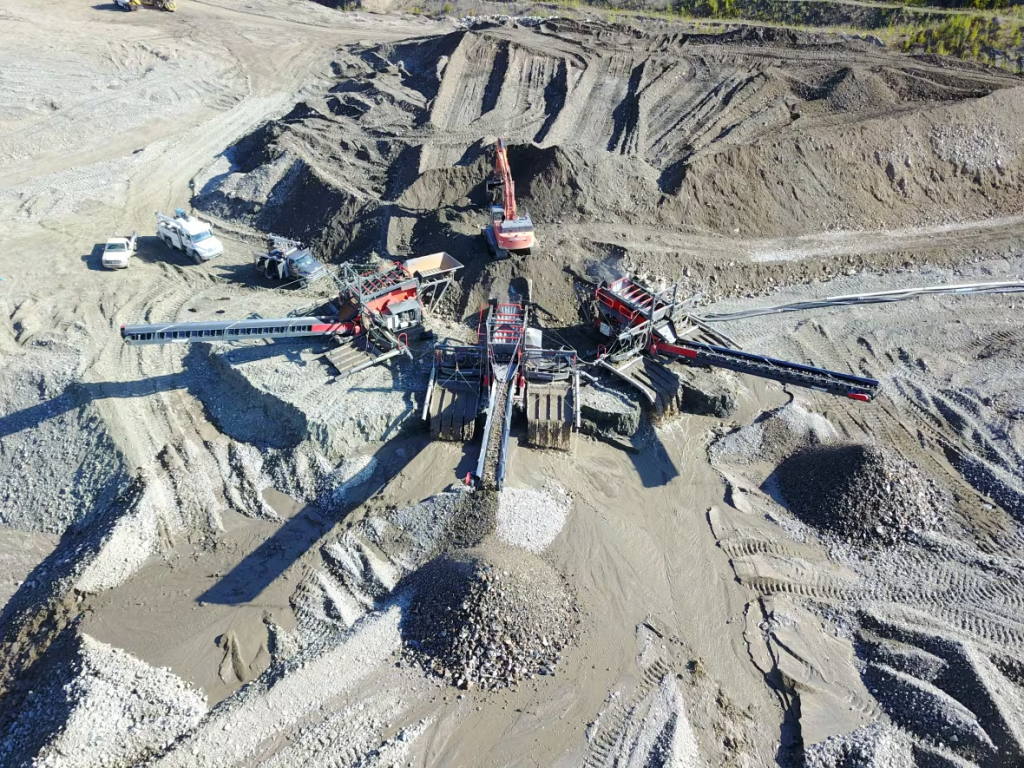
But he says the current price of gold is still bringing significant investment and opportunities into the territory – especially when it comes to exploration, which can often lead to local expenditures on things like helicopter rentals, camp supplies and surveying.
“The increased production revenues for those companies, it’s just going to drive more activity in the placer area, especially around the Dawson region,” said Burton. “So a lot of businesses in Dawson benefit from those operations.”
Much of this activity takes place on Tr’ondëk Hwëch’in traditional territory. The First Nation did not respond to a request for comment.
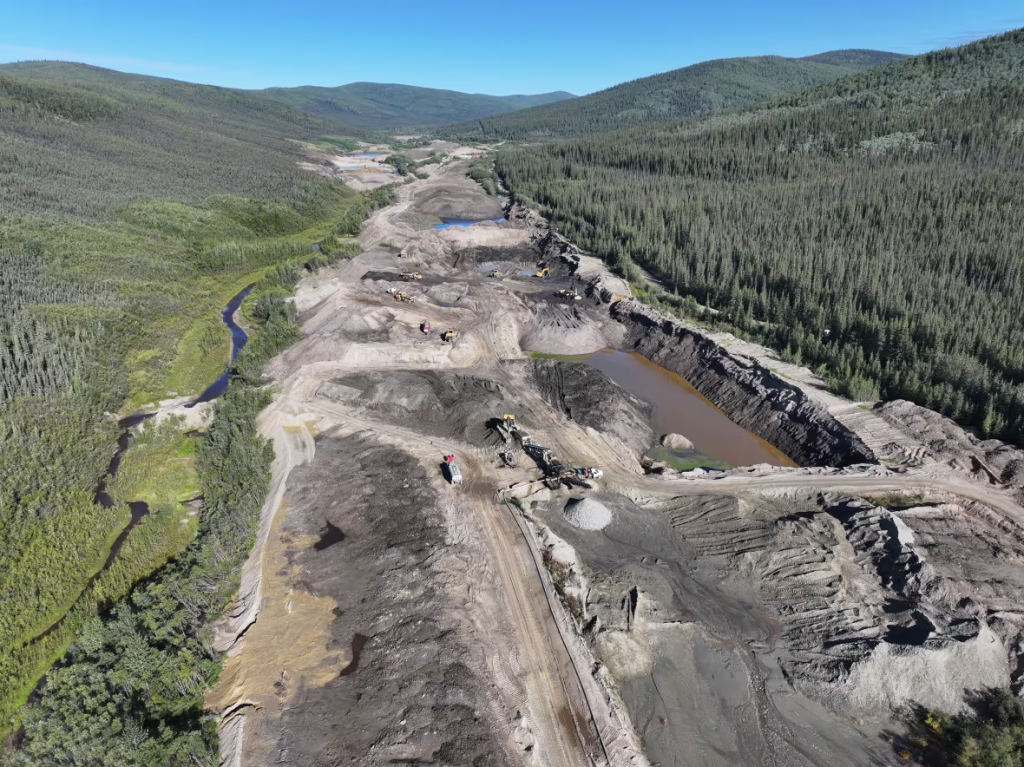
While Burton said there were concerns the Eagle mine failure would trigger a slowdown of investment in Yukon projects. But now, high prices may be insulating the territory from the expected drop in investor confidence.
“I think that’s the number one impact of high gold prices,” said Burton. “It’s attracting more capital which allows exploration companies to do more work.
“When the price climbs above a certain number, all of a sudden that project which may not have met investor expectations, now it does.”
Related stories from around the North:
Canada: Yukon’s mining law framework promises major change, but not everyone’s happy, CBC News
Greenland: Greenland ‘Freedom City?’ Rich donors push Trump for a tech hub up north, Reuters
Russia: Russia sees stable oil exports and booming gas business by 2050, Reuters
Sweden: Swedish developer GRANGEX buys iron ore mine on Norway’s border to Russia, The Independent Barents Observer
United States: Environmentalists criticize Trump administration push for new oil and gas drilling in Alaska, Alaska Public Media