N.W.T. gov’t tells power companies to plan to increase use of renewable energy
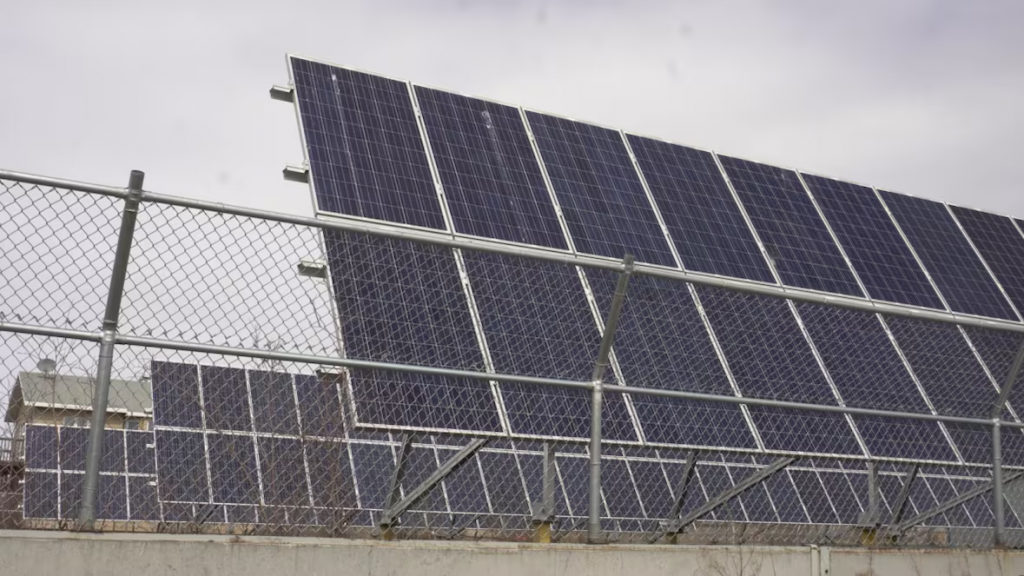
The directive is for NTPC and Naka to increase the cap on renewable energy from 20 to 30 per cent
The N.W.T. government is directing the territory’s power companies to launch a long-term plan that incorporates more renewable resources while keeping rates affordable.
The directive was sent in April 2025 in a letter from the territorial government to the Public Utilities Board, the N.W.T.’s energy regulator. The plan is required to take into account climate targets in 2030 and 2050.
This includes upping the cap on renewable power generation from 20 per cent to 30 per cent. The territory acknowledged this could have a significant impact on power costs so the plan needs to ensure the supply is reliable and affordable.
“Increasing the share of renewable generation in the electricity mix will help reduce greenhouse gas emissions. However, this may lead to additional costs for utilities in ensuring a safe and reliable power supply,” the directive reads.
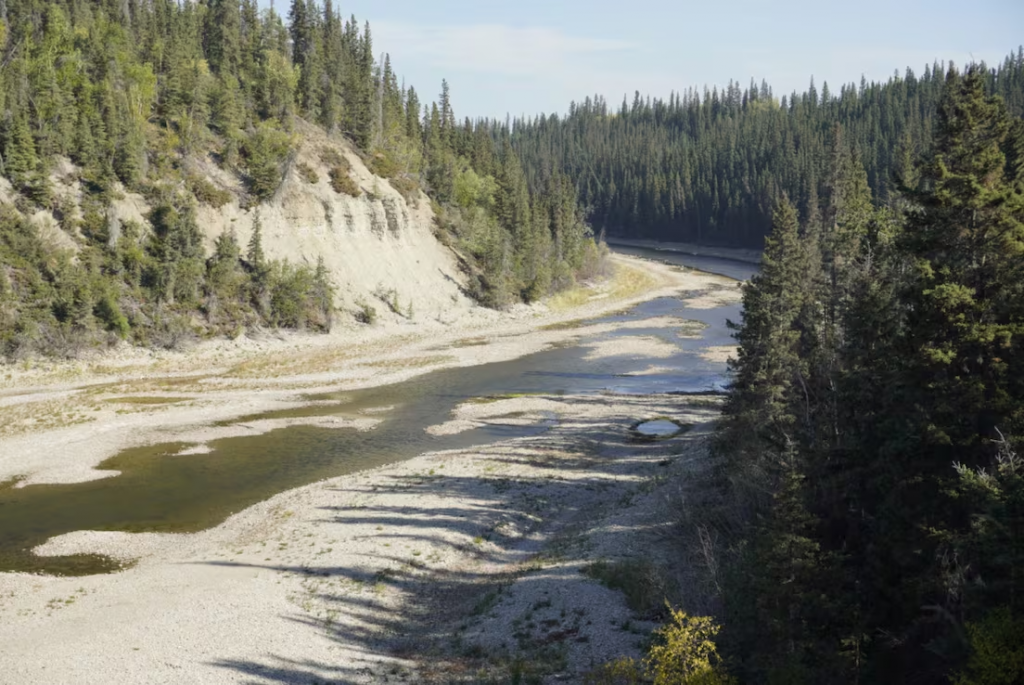
The instruction comes as the territory’s power distributor, the Northwest Territories Power Corporation (NTPC), is applying to raise rates, citing numerous issues in power generation. This includes an increased reliance on diesel to power communities, due to low water levels and aging infrastructure leading to costly construction projects.
The NTPC president has previously spoken against transitioning to renewable power too quickly, as he said doing so would result in a further rate spike.
The Public Utilities Board is an independent agency, but the territorial government is allowed to give it direction on its regulatory role.
What the territory wants to happen
The new directive sent to the Public Utilities Board, was then passed onto the territory’s utility operators — the NTPC and Naka Power Utilities.
Naka Power owns, operates and maintains power poles, power lines and other electrical infrastructure in several N.W.T. communities, including substations and diesel plants. NTPC distributes electricity to 26 of the territory’s 33 communities and supplies electricity to Naka Power.
The territorial government’s directive includes numerous suggested changes to how power is managed in the territory. One of those includes how rates from independent renewable power are determined.
In communities that rely on diesel generators, residents adding more things like solar panels to their homes, can actually make the cost of diesel higher for those who don’t have solar. This is because it causes the generator to run less efficiently.
“These partially unregulated self-generators are impacting electricity rates and grid stability,” the directive said.
Currently, those who do have solar panels get compensated, but the territory says the amount they’re compensated isn’t actually fair because it doesn’t take into account the fact the generator is now less efficient.
So the power distributors are being directed to both not overcompensate people who are using renewable energy, but also encourage more people to use it.
“Calculations should appropriately reflect the actual value of self-generation to the system, while at the same time continue to provide an incentive for self-generators.”
Another part of the plan is for power companies to encourage people to switch from heating fuels to hydroelectricity and provide more financial support to incentivize those to do so.
NTPC and Naka Power Utilities have until Nov. 17 to submit an initial input on the directive to the Public Utilities Board, this is information to inform next steps.
The process of creating the long-term plan will require “broad consultations” with municipalities, Indigenous groups, power supply providers and members of the public.
Related stories from around the North:
Canada: How a solar energy company is trying to lower Arctic communities’ diesel dependency, CBC News