Auditor general gives Housing N.W.T. a bad grade, again
Audit report released Tuesday found persisting issues with housing allocation and maintenance
The Office of the Auditor General of Canada says that Housing N.W.T. has not provided territorial residents who are most in need with equitable access to housing and supports, and has also poorly managed the condition of public housing in the territory.
The audit report released on Tuesday covers the period between April 1, 2023, and March 31, 2025.
It notes that many of the issues raised in the audit are not new and were also highlighted in previous auditor general reports, in 2008 and 2012. The new report also includes several recommendations.
“What’s important today is action,” said Paule-Anny Pierre, senior assistant auditor general at a news conference in Yellowknife on Tuesday. “I will be clear, we are disappointed by the lack of progress on some of these issues.”
She said that while the auditor general can raise the issues, the accountability lies with Housing N.W.T. and the Legislative Assembly.
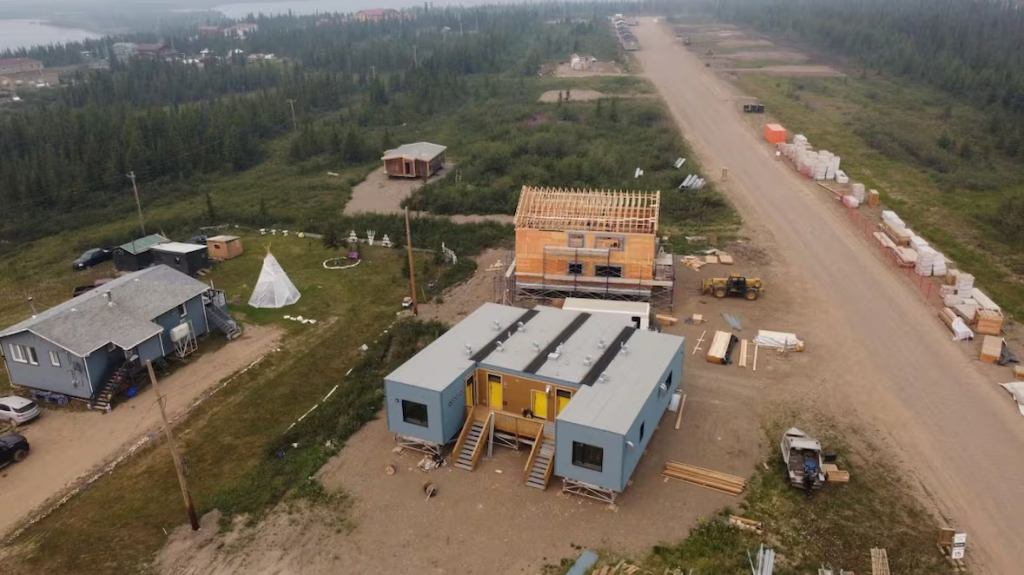
Housing N.W.T. is a public agency of the government of the Northwest Territories and is responsible for 2,365 public housing units across the territory. In 2024, about 15 per cent of the territory’s households were in public housing.
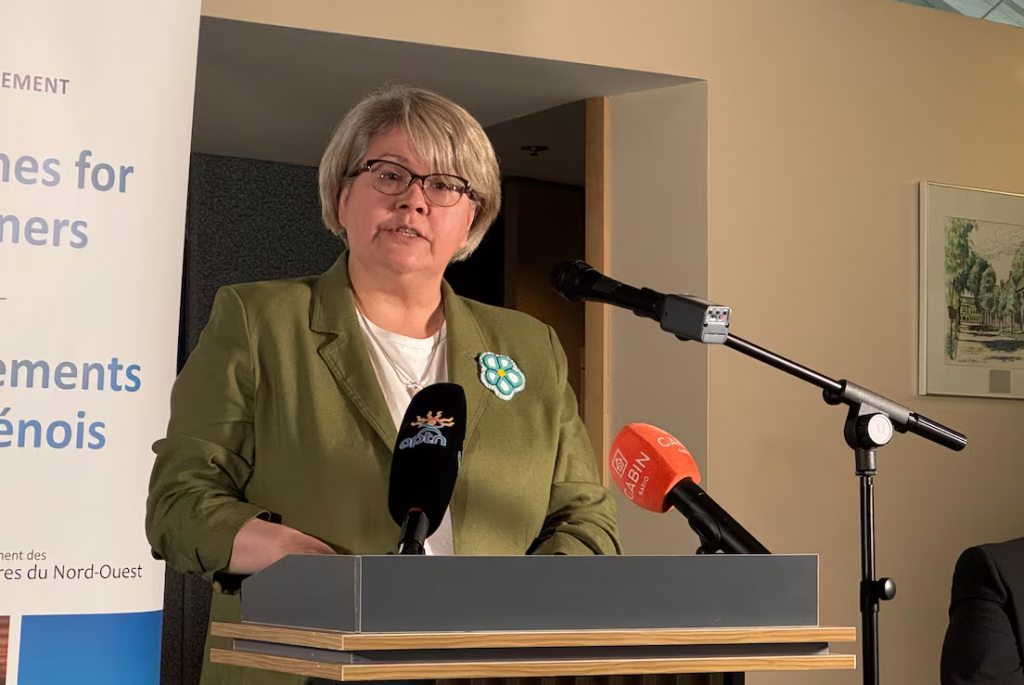
Housing Minister Lucy Kuptana, also speaking at Tuesday’s news conference, said she realizes that addressing the issues outlined in the audit report is “a big job.”
“These recommendations are very troubling,” Kuptana said. “I think we need to be progressive, I think we need to be proactive, we need to work with Indigenous governments,” she said.
Allocation and maintenance of housing units
The new report says that Housing N.W.T. did not know whether it was providing equitable access to public housing.
As of March 31, 2025, there were 3,080 people across 918 households on the public housing waitlist. More than two thirds were waiting for a bachelor or 1-bedroom unit. The average household had been on the list for two years.
“When you think of individuals who are going through hardship, every moment, instance that passes by that they don’t have access to suitable housing, it puts them at risk,” Pierre said.
Housing N.W.T. has a point-rating system for allocating public housing based on factors like affordability, how long applicants have been waiting, and suitability.
The audit found that during the period it looked at, Housing N.W.T.’s monitoring of whether local housing organizations were complying with the points system was done only in a limited, inconsistent way.
The report also notes that Housing N.W.T. did not provide required annual assessments to any of the local housing organizations under its purview.
The audit also found that the agency did not effectively manage the condition of public housing units.
Housing N.W.T. uses a percentage-based scoring system for maintenance. Every public housing unit should be rated every two years, but Housing N.W.T. did not monitor whether local housing organizations conducted those checks.
Maintenance was monitored in an ad-hoc and limited way, according to the report.
The report notes several times that Housing N.W.T.’s capacity was hindered during the audit period because of the 2023 wildfire season.
Dr. Erin Kelly, president and CEO of Housing N.W.T., said some of the people in charge of maintenance were among the evacuees at that time.
“I’m hopeful that we won’t have another season that’s at the scale of 2023, but it taught us lessons,” Kelly acknowledged.
She said the agency is now working to add capacity when it comes to repairs, and recently wrapped up a workshop on maintenance monitoring and data management with technical workers from the local housing organizations and districts.
Homeownership funding
The auditor general also found that Housing N.W.T. did not ensure that funding under homeownership programs was being allocated equitably. That includes funding for emergency repairs, home purchases and mobility modifications.
Key eligibility criteria for the programs include age, residency, home ownership and income. The audit report notes that Housing N.W.T. did not consistently apply them to determine equitable access to homeownership programs.
The audit also found that Housing N.W.T. was not monitoring homeownership program outcomes during the audit period.
The audit report includes recommendations, all of which Housing N.W.T. has agreed with according to the report.
Those recommendations include systematically monitoring local housing organizations to make sure requirements for public housing allocation are met, updating allocation policies and procedures, monitoring and documenting unit condition and maintenance, as well as assessing local housing organizations for their compliance with required levels of maintenance.
Kuptana said that Housing N.W.T. is committed to acting on the audit’s recommendations, but will need some help.
“We recognize that the [government of N.W.T.] and Housing N.W.T. cannot tackle this [housing] crisis alone,” said Kuptana on Tuesday.
She said the territory needs long term, sustainable federal funding to make a “lasting difference” for housing in the territory.
Related stories from around the North:
Canada: NTI releases $135M Inuit-led plan for affordable housing in Nunavut, Nunavut
Greenland: Despite housing shortages, Greenland razes colonial apartment blocks, Blog by Mia Bennett