Finland’s Truth and Reconciliation Commission makes 70 recommendations
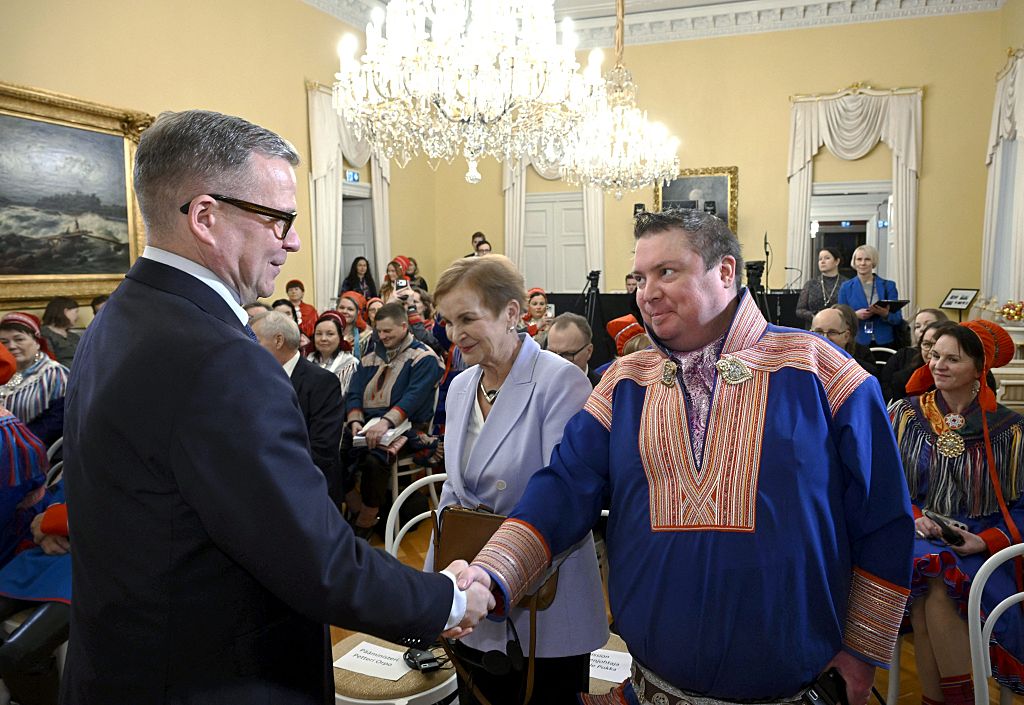
Finland’s Truth and Reconciliation Commission has urged sweeping reforms to strengthen Sámi rights and overhaul the country’s approach to Indigenous affairs, according to details of the nearly 68 recommendations published on Thursday.
The Commission, set up by the Finnish government, spent the past few years documenting the experiences of the Sámi, Europe’s only Indigenous people, and examining how the state could better protect their rights.
“This work was very much needed,” Prime Minister Petteri Orpo, said in a statement. “We will study the final report carefully and approach its recommendations and proposals with the utmost seriousness.”
In total, the commission heard from nearly 400 Sámi individuals along with experts and information gathered from 25 commissioned studies.
“It is important to increase awareness and understanding of the Sámi as Finland’s only Indigenous people,” Chair of the Truth and Reconciliation Commission Hannele Pokka said.
“It is time to right the wrongs and injustices done to the Sámi people. We hope that our work will open the way for reconciliation so that Finland’s two peoples, the Finns and the Sámi, can live together in good cooperation with one another.”
Slow cultural erosion over time
Although Finland never passed laws explicitly requiring the assimilation of Sámi children, the report said the schools and dormitories across the North operated on the assumption that Finnish language and culture were the norm.
Sámi children were separated from their families, discouraged from speaking their own languages and taught through a Finnish lens. The result, the report notes, was a widespread loss of language, identity and cultural continuity that still affects Sami today.
This, coupled with a long history of the state dismantling traditional Sámi governance, dividing up lands and weakening reindeer herding, fishing and gathering have all further eroded traditional Sami culture and livelihoods, the commission said.
‘Transgenerational land rights need to be examined’
Among the most significant proposals in the report is the creation of a State Secretary for Sámi Affairs who would head a unit to coordinate on Sámi issues throughout the government. The secretary would be supported by representatives appointed by ministries, the Sámi Parliament and the Skolt Saami Village Committee.
The report also highlights the longstanding disputes over land and water use in the Sámi Homeland and calls for everything from recognizing Sámi fishing rights in law to proposing a standalone laws for Sámi reindeer husbandry.
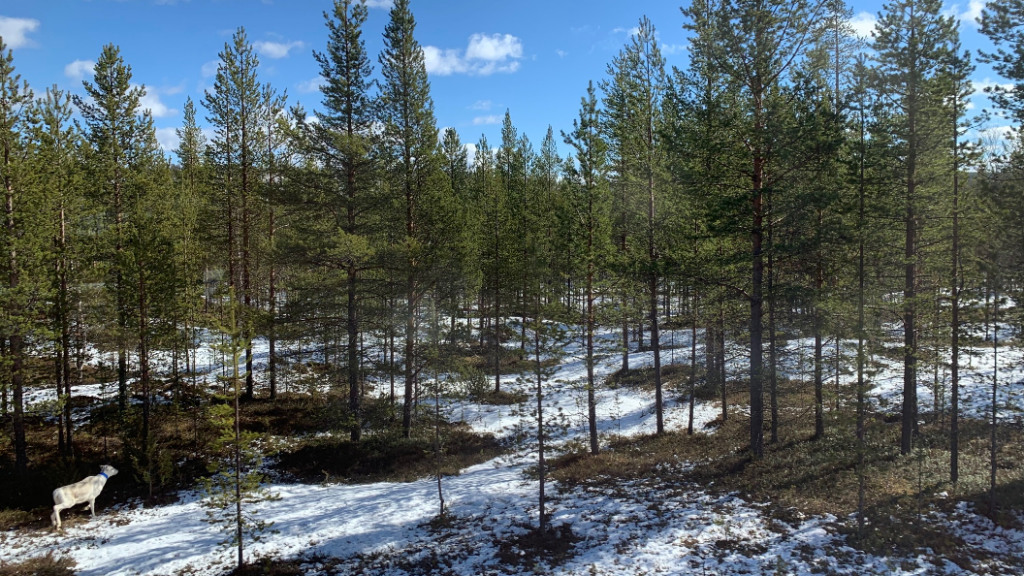
“The authorities must guarantee the preconditions for the preservation of traditional livelihoods in Skolt areas and traditional residential areas of the Inari Sámi,” the report said.
“The transgenerational rights to land use held by the Sámi, which are not included in the property register and are independent of land ownership, must be investigated.”
Urgent need for language revitalization
The report warns that Sámi culture is under growing strain, caught between the legacy of historical injustices and new pressures ranging from climate change and expanding commercial activity in the Arctic to a larger defence footprint in the North since Russia’s invasion of Ukraine.
“The rights of the Sámi as an indigenous people are enshrined in several international conventions and the Constitution of Finland,” the report said. “In practice, this protection is poorly implemented in practice in land use projects or plans.”
Language rights were among the most contentious issues raised during the Commission’s work, and the report urges several measures to strengthen Sami languages, including an overhaul of the Sámi Language Act and permanent nationwide access to remote Sámi-language schooling — including a proposed national “Sámi e-school.”
It also recommends ensuring that health care can be delivered in Sámi languages across the country, not only in the Sámi Homeland.
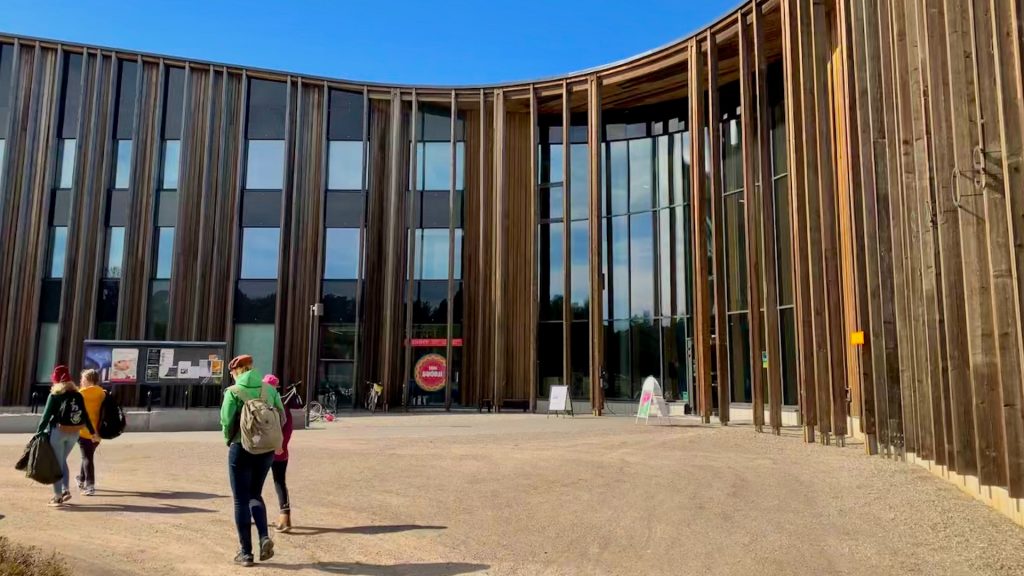
(Eilís Quinn/Eye on the Arctic)
Tuomas Aslak Juuso, Acting President of the Sámi Parliament, praised the commission’s work but said the recommendations must be acted upon, not just discussed.
“With this report as a foundation, it is now our turn to work actively together and start building reconciliation,” said.
“Now is the time to adopt a new attitude to Sámi issues: our old ways of doing things are no longer enough.”
Finland’s Prime Minister said Thursday he would set up a parliamentary group to discuss how Finland should deliver an apology to Sami.
Comments, tips or story ideas? Contact Eilís at eilis.quinn(at)cbc.ca
Related stories from around the North:
Canada: Indigenous leaders decry budget’s lack of money for key reconciliation programs, CBC News
Finland: Truth and Reconciliation Commission should continue says Sami Parliament in Finland, Eye on the Arctic
Greenland: Greenland, Denmark initiate investigation into past relations, Eye on the Arctic
Norway: Can cross-border cooperation help decolonize Sami-language education, Eye on the Arctic
Sweden: Sami in Sweden start work on structure of Truth and Reconciliation Commission, Eye on the Arctic
United States: U.S. Interior Secretary listens to Indian boarding school survivors on Alaska stop, Eye on the Arctic