
New study links bacterial strain to muskox deaths in Canada’s High Arctic
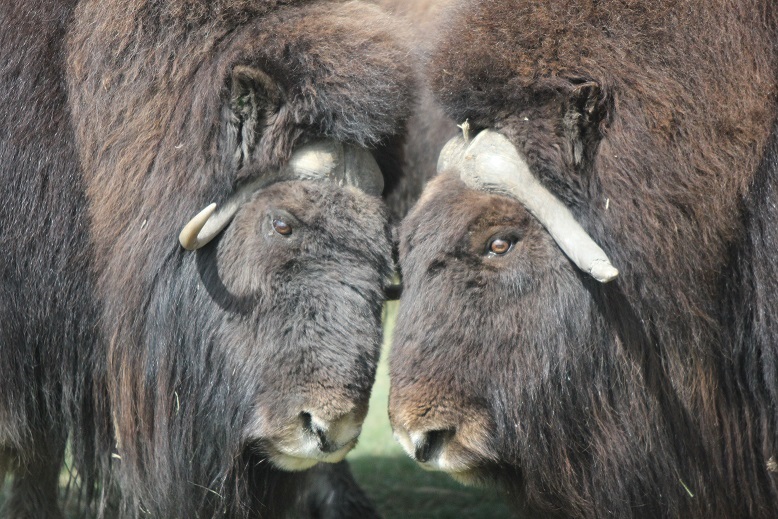
A recent wave of muskox deaths in Canada’s Arctic archipelago has been traced to a particularly aggressive strain of bacteria, a discovery that’s sharpening concerns about northern wildlife health as the region warms, a new study said.
The research, published on Thursday in the journal Scientific Reports, from a team of Canadian and Scottish researchers, analyzed 139 muskox carcasses found between 2021 and 2024 on Ellesmere and Axel Heiberg Islands in Nunavut.
More than 70 per cent of the animals had what researchers describe as an Arctic clone of Erysipelothrix rhusiopathiae (Er), a bacterium that has caused major mortality events in muskoxen on other Arctic islands over the past 15 years.
“Our results underscore the geographic expanse over which this unique clonal lineage of Er has now spread, its apparently high virulence in muskoxen, and its ongoing importance as a consideration in conservation and monitoring efforts related to this species,” the report said.
Chance documentary crew discovery prompts research
The outbreak was only discovered by chance when a wildlife documentary crew working on the Fosheim Peninsula in the summer of 2021 counted 28 muskox carcasses in the course of their work, something that struck them because there were no indications on the bodies that the animals had been attacked.
“Several clinical abnormalities were observed in live muskoxen in the summer of 2021 by the film crew at the time as well as in the film footage examined by the co-authors at a later date,” the authors explained in the study.
“Approximately 10–15 per cent of the filmed animals had visible hair loss accompanied by whiteness or crusting of the underlying skin circumferentially around the eyes, sometimes with focal crusts.”
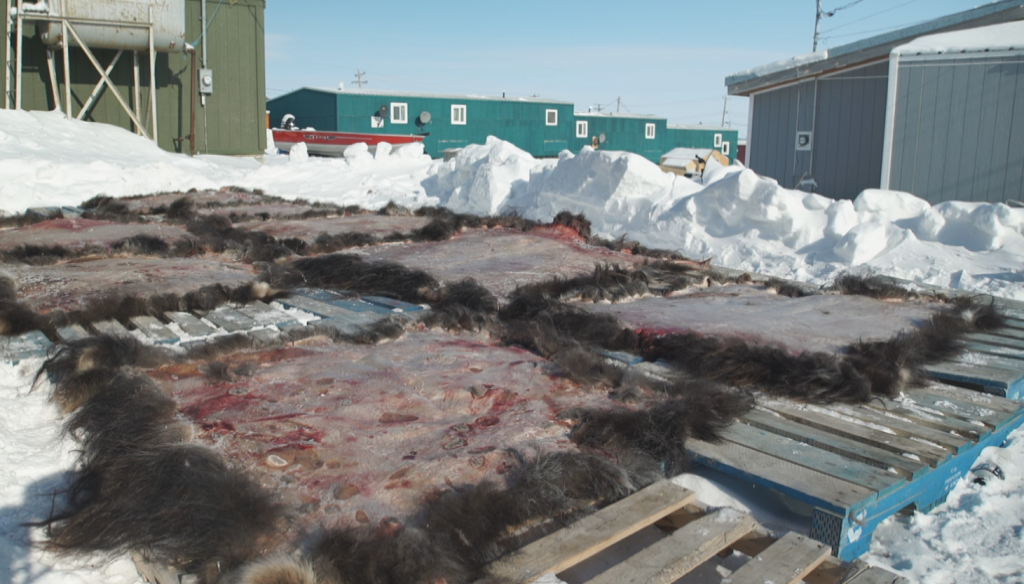
When researchers learned about the observations and started doing their own investigation, they found that the situation was far more widespread and that evidence on the ground suggested that an event had unfolded over more than one season.
“Between 2021 and 2024, 139 unique muskox carcasses (10 in 2021, 35 in 2022, 72 in 2023, and 22 in 2024, including 21 of the initially reported 28) were visited and sampled by ground and air reconnaissance crews across west-central Ellesmere and eastern Axel Heiberg Islands,” the researchers said.
From the samples they gathered, researchers could confirm that two muskoxen died from acute bacterial septicemia. Dozens more fit the same pattern, based on what turned up in the tissue exams, the culture results, and the Arctic clone’s genetic fingerprint in the soil around the carcasses.
Echoes of earlier outbreaks
The Arctic clone showing up in samples reminded researchers of the same pattern identified during large muskox die-offs on Victoria and Banks Islands in the western Arctic between 2009 and 2014.
But its appearance in the northeastern Arctic has raised new questions about how the bacteria is moving.
Muskoxen aren’t distance travellers, and researchers still know little about which, if any, other northern species might be helping the bacteria spread.
“We find it unlikely that direct transmission of the pathogen among muskoxen is solely responsible for the extensive range expansion and wide geographic area over which it has been recovered given the limited inclination of muskoxen for long-distance movements, poor evidence to date for them being subclinical carriers of [the bacterium], and the apparent rapidity of disease progression and mortality in afflicted animals,” the research paper said.
Collaboration important for ongoing monitoring
The study notes that mortality patterns on Ellesmere Island mirror what Inuit hunters reported on Victoria Island during earlier outbreaks.
“The timing of reports of ophthalmic abnormalities (“white eyes”, “swollen, puffy eyes,” “thick slime over the eyes,” “walking in circles”) in muskoxen by members of the communities of Ekaluktutiak and Ulukhaktok mirrored rises in reports of acutely dead animals between 2009 and 2014 – the same period in which Er was being found in association with mortalities on Victoria Island,” the study said.
Researchers said they were cautious about pointing to any single cause for the muskox illnesses, but that the increasingly warmer conditions in the Arctic and other environmental stresses may be making muskoxen more vulnerable to disease.
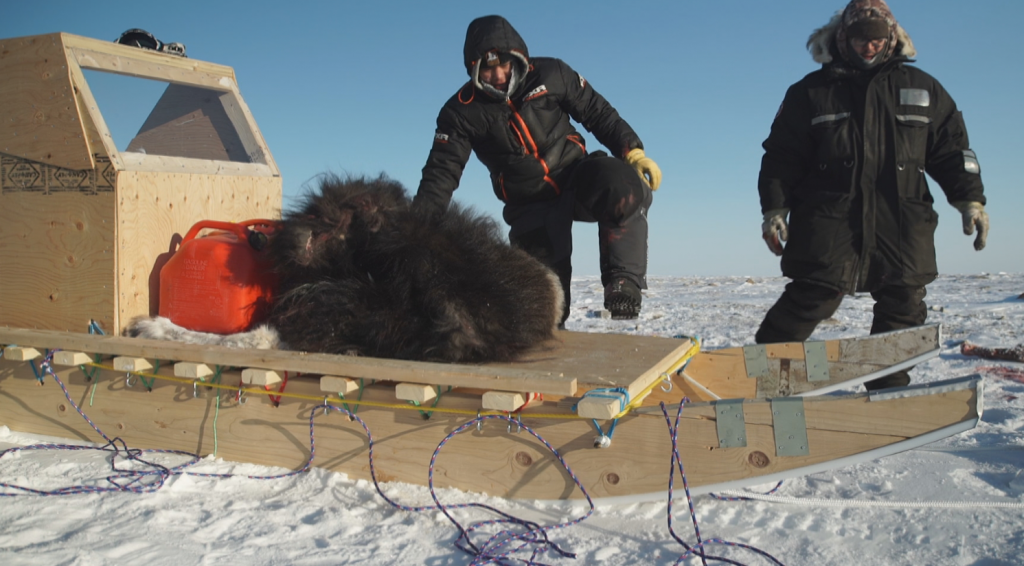
The study warns that the recent findings point to a broader pattern rather than isolated incidents and that the spread of the Arctic clone across multiple regions underscores the need for long-term attention and collaboration.
“Continued vigilance and collaboration among northern residents, wildlife managers, animal health professionals, researchers, tourism and industrial operators, and film crews will greatly amplify our ability to detect, understand, and adapt to a growing list of infectious diseases in Arctic wildlife that may threaten population sustainability and are already disrupting food security, food safety, and traditional ways of living,” the researchers said.
Comments, tips or story ideas? Contact Eilís at eilis.quinn(at)cbc.ca
Related stories from around the North:
Canada: Arviat residents urged to look out for foxes after possible rabies exposure, CBC News
Norway: Could drones help prevent polar bear attacks on the Arctic archipelago of Svalbard?, The Independent Barents Observer
United States: Polar bear in fatal Wales attack was in poor health, The Associated Press