Resource extraction projects, dwindling sea ice power Arctic shipping surge
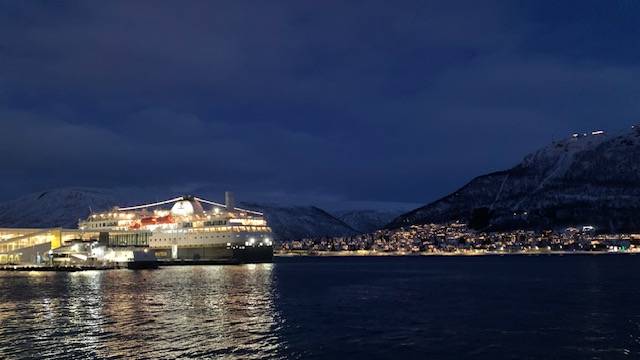
Arctic ship traffic distances have doubled over the last 12 years as sea ice continues to decline said a new report from the Arctic Council’s Protection of the Arctic Marine Environment (PAME) working group.
In 2013, the distances ships travelled in Arctic waters was 6.1 million nautical miles. But by 2025, that had increased to 11.9 million nautical miles.
“Changes to the marine environment, such as a decrease in the extent of sea ice and the loss of older, thick ice, have significant implications for longer navigation seasons and new access to previously difficult to reach regions of the Arctic,” the report said.
In addition to distance travelled, the number of unique ships also increased.
In 2025, 1,812 unique ships entered Arctic waters, compared to 1,298 in 2013.
“This is a 40 per cent increase from 2013 when data collection began,” the report said, pointing out that the ships are counted once even though they may enter the area several different times each year.
Mary River Mine example of knock-on traffic increases
The report says Arctic mineral extraction remains a key reason for the boost in traffic, with Canada’s Mary River Mine in Nunavut a prime example.

The iron ore mining project started operations in 2015.
“In the Baffin Bay area, where the Mary River Mine is accessed, bulk carriers have increased by 540 per cent,” the report said.
“In 2025, bulk carriers sailed 130,684 nautical miles compared to just 3,559 nautical miles in 2013 before the project began.”
Oil tanker traffic up up 396 per cent from 2013
Fishing vessels are still the main type of ship travelling to the Arctic, making up 40 per cent of the traffic, followed by general cargo ships.
Since 2013, crude oil tankers have grown the fastest, up 396 per cent by 2025, with bulk carriers rising 156 per cent and cruise ships 123 per cent by 2025.
Filling in the gaps
PAME is one of the Arctic Council’s six working groups and is made up of international experts.The teams examine issues ranging from environmental protection, to sustainable development, to emergency response in the Arctic.
PAME created the Arctic Ship Traffic Database in response to the lack of recent info about Arctic shipping, even as an increasing number of vessels were sailing up North.
The report “Arctic Shipping Status Report #1″ analyzes ship traffic in the Arctic Polar Code area, which covers Arctic waters roughly north of 60°N latitude.
The database includes figures dating back to 2013.
Comments, tips or story ideas? Contact Eilís at eilis.quinn(at)cbc.ca
Related stories from around the North:
Canada: Shipping industry leaders call for bolstered security, mapping of Arctic water, The Canadian Press
Norway: Hybrid-powered electric cruise ship navigates Northwest Passage, CBC News
Russia: Melting Arctic could create shipping superhighway… and a surge in emissions: study, Eye on the Arctic
United States: U.S. Coast Guard monitors Chinese ships in Arctic waters…again, Eye on the Arctic