
At 82, this Inuvialuktun translator wonders who will replace her
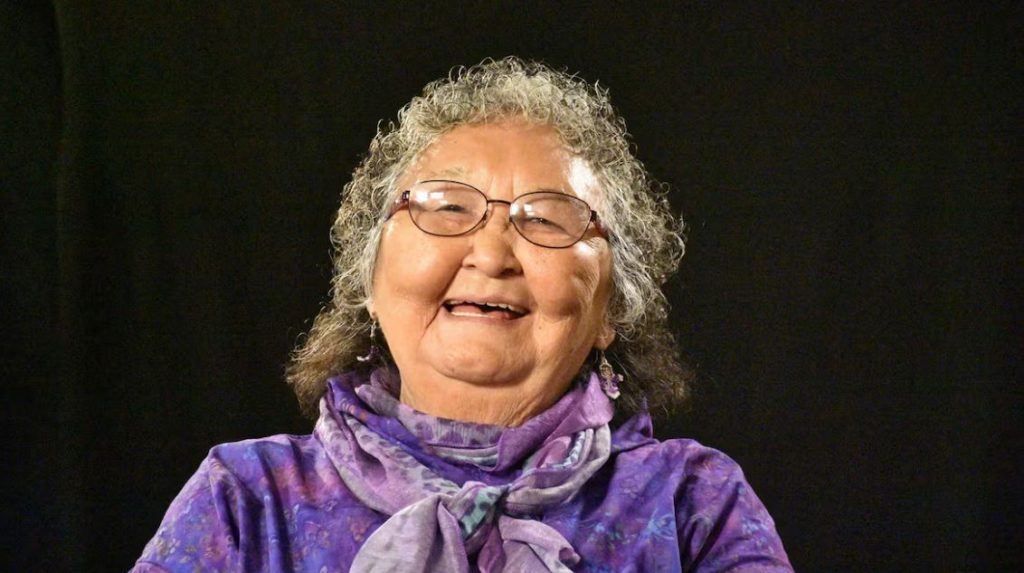
After three weeks on the road in Yellowknife doing Inuvialuktun translation for the Northwest Territories legislative assembly, Lillian Elias says she’s tired and ready to go home to Inuvik.
Elias, 82, is one of the few remaining fluent speakers of Inuvialuktun, the Inuit language of the western Arctic. She is one of only two Inuvialuktun interpreters and translators the N.W.T. government lists on its Indigenous language website.
“I could be one of the last ones who is fluent in my language,” Elias said.
In 2024, of 411 people in the territory considered “able to converse” in Inuvialuktun, more than half were over 50.
Elias, a residential school survivor who has spent years promoting, preserving and teaching Inuvialuktun, said she finds long-term assignments — like spending three weeks in Yellowknife — exhausting.
“I am not that young anymore,” she said.
Now well past retirement age, Elias continues to work as a freelancer because she loves working in her language, and because there are few who can take over if she retired. But she said the N.W.T. government needs to do more to ensure it can provide services in Inuvialuktun.
Indigenous language translators and interpreters are hired as independent contractors, unlike French language translators, who are government employees.
That difference means Indigenous language translators aren’t eligible for government pensions or employment insurance, Elias said. Such benefits would also serve as incentives for future generations, she said.
“Even when you’re on contract, they should have at least something for elders to fall back [on]” she said.
The difference stems from how the federal government funds services under the N.W.T. Official Languages Act, said Agata Gutkowska, a spokesperson for the education department, in an email to CBC.
Canada funds French services, allowing the territorial government to hire French translators as permanent staff. The government currently pays French translation staff between $49.68 and $62.09 per hour, she said.
New language service standards coming
Indigenous language translators set their own rates, often ranging between one and two dollars per word. Some have a baseline rate of $100 to $150.
With new service standards rolling out this spring, Gutkowska said she expects a higher demand for Indigenous translators, which may lead the territory to rethink its staffing model.
In February, the territorial government said it plans to release new language service standards. As part of the initiative, front-line staff will use training, tools, and resources to deliver services in Indigenous languages at government offices.
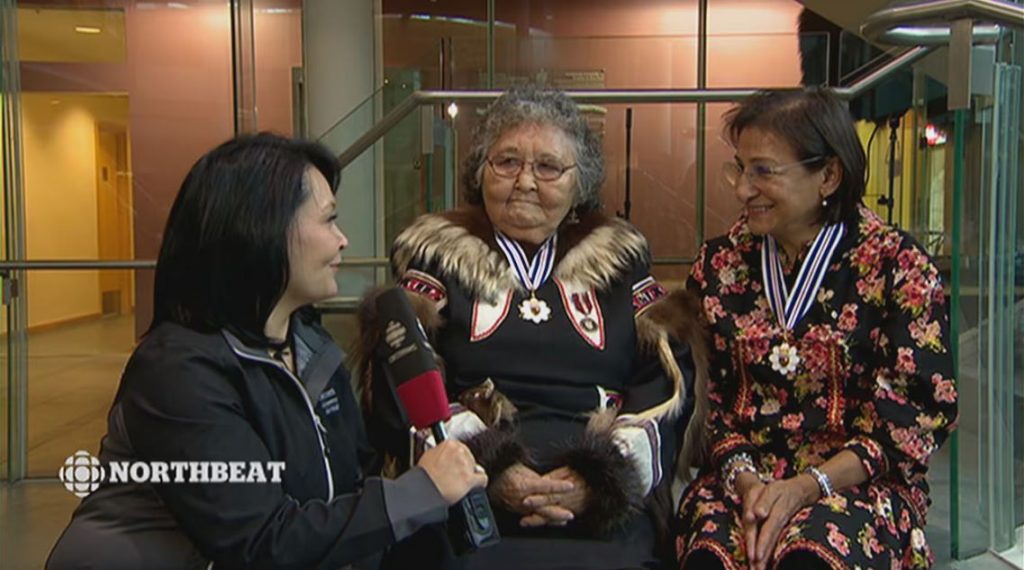
While Inuvialuktun’s survival rests with its speakers, she noted the government must do more to publicly recognize and revitalize efforts.
Gutkowska said the government is launching several efforts to expand language training and build a pool of speakers, interpreters and translators.
One such initiative, she said, is the Indigenous Languages Revitalization Scholarship. This year, 10 scholarships of up to $5,000 were given to northern post-secondary students, specializing in Indigenous language revitalization. A total of 91 scholarships have been awarded since 2018, Gutkowska said.
Another initiative is the Mentor-Apprentice Program, now in its seventh year, which pairs language learners with fluent speakers, she said.
In 2025-2026, she said 40 of 49 Northwest Territories schools taught Indigenous language as a second language, while four offered immersion.
Three regions are also taking part in an Indigenous language instructor employment plan pilot, where trainee instructors learn alongside experienced teachers.
A new partnership between the education department and Legislative Assembly will address the need for language revitalization and new Indigenous-language interpreters, Gutkowska said.
A report written by Yumna Iftikhar
Related stories from around the North:
Canada: College in Arctic Canada cancels training program for Inuktitut-speaking teachers this fall, CBC News
Norway: Walt Disney Animation Studios to release Saami-language version of “Frozen 2”, Eye on the Arctic
Sweden: Can cross-border cooperation decolonize Sami language education?, Eye on the Arctic
United States: American cartoonist says his new book on Canadian Indigenous history helped decolonize part of himself, CBC North