Etsy is banning the sale of fur — and Indigenous artisans may suffer most
New policy says fur items must be removed from website by Aug. 11
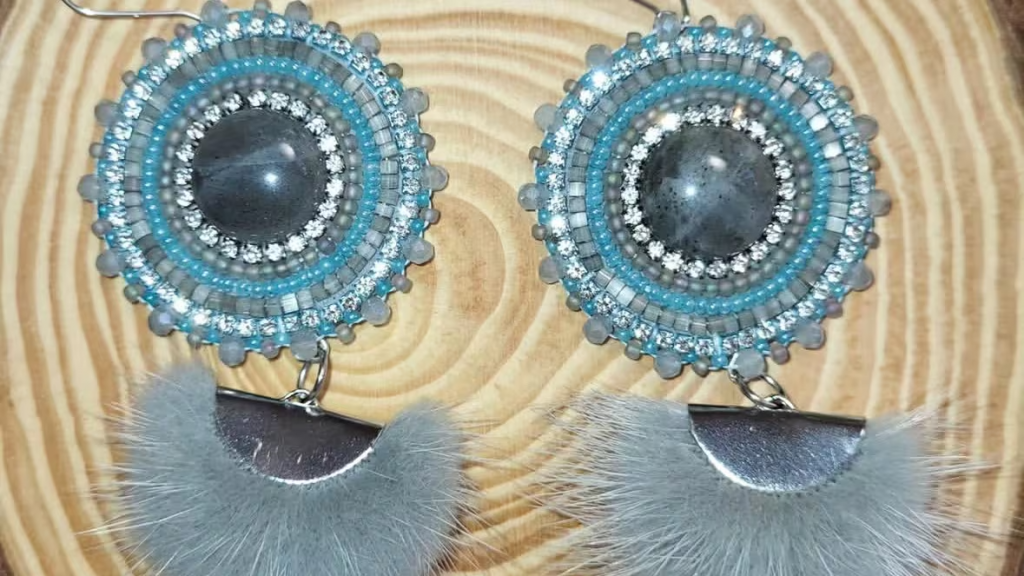
Lisa Pottle had just recently purchased rabbit and foxtail fur for earrings when she heard about Etsy’s new policy.
“I just started doing the beaded cabochons with fur on the bottom,” she said. “I’m very disappointed right now.”
Pottle runs the Etsy shop Spirit Sisters By Lisa where she makes jewelry with beads and fur.
In an email sent to sellers on April 2, Etsy announced it will ban the sale of fur starting in August, saying this move is part of “ongoing biodiversity efforts.”
The change is an expansion to Etsy’s animal product policy, which previously only prohibited the sale of products made from animal species that are designated as threatened or endangered by the U.S. Endangered Species Act or listed in Appendix I of the Convention on International Trade in Endangered Species of Wild Fauna and Flora (CITES).
But in the email, Etsy said all items containing fur from “animals killed primarily for their pelts” will now need to be removed from stores by Aug. 11. The ban doesn’t include taxidermy or byproduct materials such as leather.
Pottle sells around 15 items a month and her shop is her only source of income.
“It’s definitely not fair,” she said. “I’m sure they’ll lose a lot of people and sales, of course, because I have so many people that favour the fur earrings.”
She says she makes fur earrings because it’s fun and makes her feel connected to her ancestors. Pottle is originally from Nunatsiavut, but now lives in Nova Scotia.
“[Inuit] used everything, including the fur, to clothe themselves. We like to use it as an expression [of] our cultural heritage,” she said. “It sounds like it’s being taken away, and it’s not fair.”
Indigenous artisans will be most impacted
Doug Chiasson, the executive director of the Fur Institute of Canada, has criticized the new policy. He wrote an open letter to Etsy’s CEO voicing his disappointment and expressing concern about the impact it will have on Indigenous communities.
“Any ban on fur products, any ban on sealskin products, we know that the impact of that is going to be most severely felt in remote Indigenous communities,” Chiasson said.
He says he’s yet to hear back from Etsy on his letter, but he’d like to see the decision reversed.
Chiasson notes that Etsy is implementing this ban under the guise of their biodiversity policy. But he says an essential part of biodiversity conservation includes the sustainable use of wildlife resources, including the humane and ethical use of fur.
“What this does is create a further inconvenience, another hoop to jump through for artisans that are working with fur and sealskin,” Chiasson said. “There are already a lot of hoops to jump through. We don’t need another one.”
Etsy has not responded to CBC’s multiple requests for comment.
Pottle says she’s considering switching platforms to sell on Shopify, but will continue selling fur earrings on Etsy until the ban comes into effect in August.
“I was just going to be starting a new earring,” she said. “I guess I’ll still do it and all, but I thought that would be a nice good seller. But it looks like I don’t have much time. It’s a bummer.”
Related stories from around the North:
Canada: Case of U.S. man caught with walrus tusk reveals debate over Inuit art exports, CBC News
Norway: Tourists suspected after narwhal tusk goes missing in Svalbard, Norway, Barents Observer
United States: A cloud hangs over legal Alaska walrus ivory. Advocates hope Congress will help, Alaska Public Media