Nuuk, Nunavut port proponents sign agreement on Arctic shipping cooperation
A new agreement between Greenland’s Port of Nuuk and the proponents of two planned deepwater ports in Nunavut is an early step towards creating an infrastructure network to support increasing maritime traffic across the North American Arctic, the CEO of West Kitikmeot Resources Corp. said.
“If we’re going to compete with something like [Russia’s] Northern Sea Route in future, we’re going to need to have complementary assets throughout this part of the world,” CEO Brendan Bell told Eye on the Arctic in a phone interview.
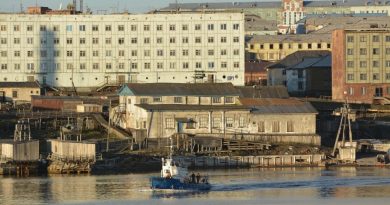
West Kitikmeot Resources Corp. (WKR), the proponent of the proposed Grays Bay Road and Port project in western Nunavut, announced the memorandum of understanding this week with Sikuki Nuuk Harbour A/S, which owns and operates the Port of Nuuk, and Qikiqtaaluk AEDC, proponent of the planned Qikiqtarjuaq Deep Sea Port Project in eastern Nunavut.
The agreement will see the three companies explore cooperation in areas like vessel support, emergency response, supply chains and environmental protection.
Bell said the ports could eventually work towards sharing resources rather than each of them replicating expensive infrastructure.
“If you think about assets like icebreaking support, costs could be shared between three or four different ports potentially in future,” Bell said.
Potential project of national interest
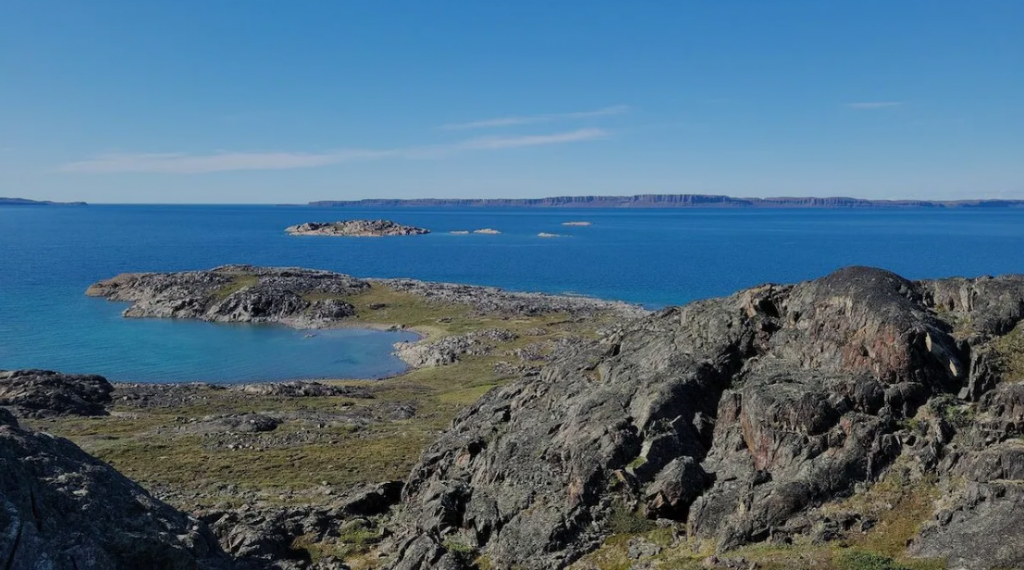
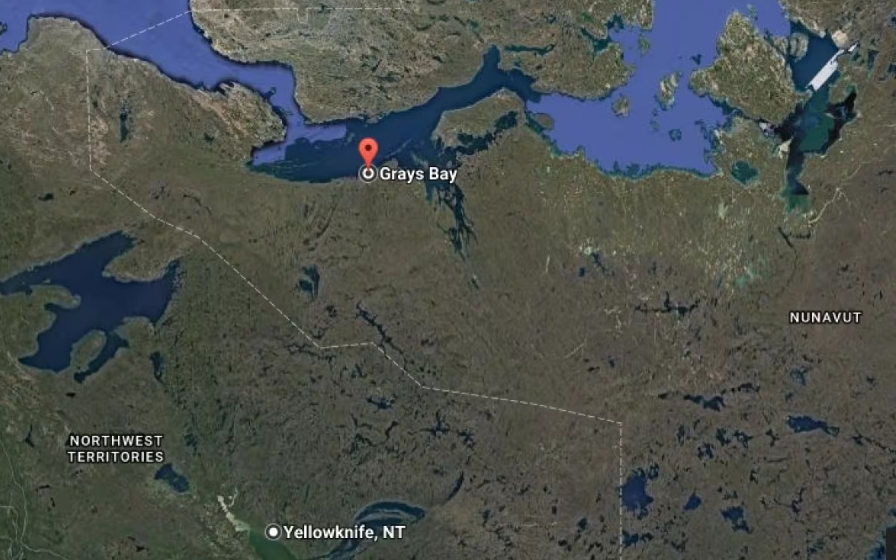
The Grays Bay Road and Port project envisions a 230-km all-season road to Grays Bay on the Coronation Gulf, where a deepwater port and airstrip would be built. The project would facilitate the export of critical minerals and also have potential as dual-use civilian and military infrastructure, its proponents say.
In June, the federal government said it was “initiating the process toward potential listing” of three major projects as projects of national interest under the Building Canada Act, including the Grays Bay initiative.
Such a designation is made when projects are deemed to be in Canada’s economic or security interest or in line with other national priorities. Once listed, a project goes through a streamlined approval and permitting process, instead of being assessed separately and consecutively under several different federal laws.
The government said this accelerated process aims to reduce the current maximum timeline of five years down to two.
Building on Greenland-Nunavut ties
The MoU announcement was made as Nunavut Tunngavik Inc., which represents Inuit in Nunavut, is in Nuuk this week on a trade mission to bolster ties between the territory and Greenland.
Bell said the port agreement is an example of the growing cooperation between Nunavut and Greenland and builds on centuries of ties between Inuit in the two regions.
“These relationships existed long before there were maps with country lines drawn on them,” he said.
Comments, tips or story ideas? I want to hear from you. Contact Eilís at eilis.quinn(at)cbc.ca
Related stories from around the North:
Canada: Melting Arctic could create shipping superhighway… and a surge in emissions: study, CBC News
Greenland: ‘You just move forward’: Greenland Energy oil exploration delayed by a year, The Canadian Press
Norway: Resource extraction projects, dwindling sea ice, power Arctic shipping surge, Eye on the Arctic
Russia: Rosatom says seven Chinese vessels will sail to Europe via Russia’s Arctic route, The Independent Barents Observer
United States: U.S. Coast Guard Operation Frontier Sentinel already underway when Chinese ships arrvied in Bering Sea, Eye on the Arctic