Dehcho grand chief says heritage designation could help them better protect the Mackenzie River
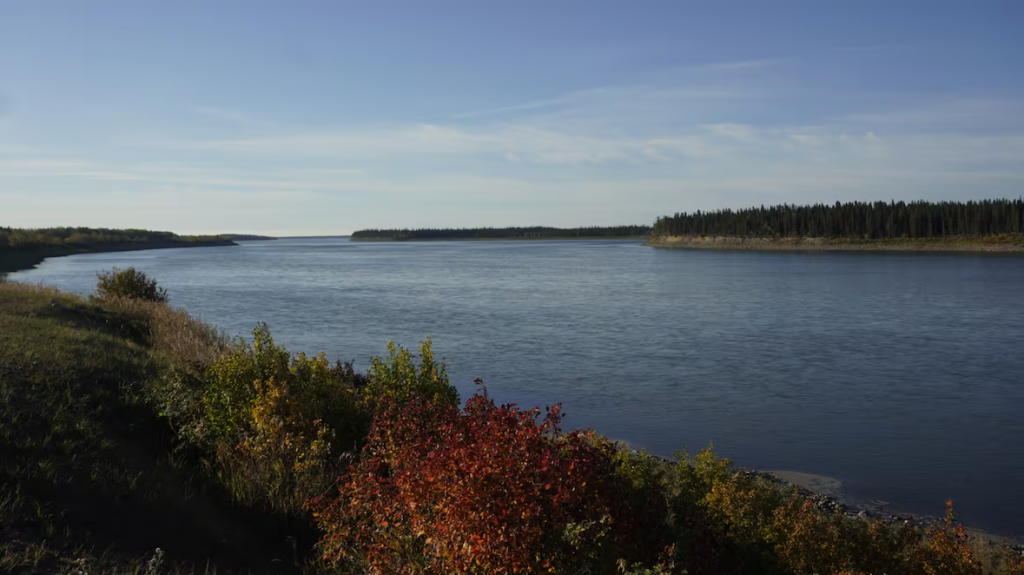
Status recognizes the historical and ecological significance of major waterways
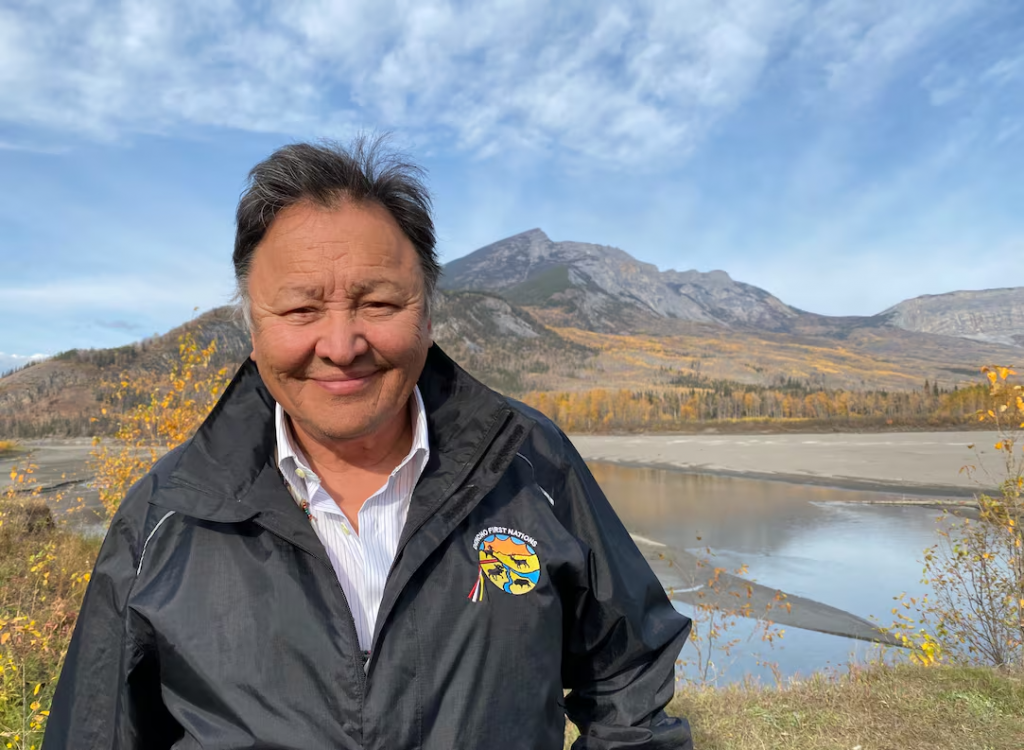
For Dehcho Grand Chief Herb Norwegian, the Mackenzie River has been part of his community’s identity since time immemorial — and it’s a body of water that he’s fighting to protect.
“We belong to the river. The river belongs to us and we live together. We live in harmony,” he said.
But that harmonious relationship is increasingly coming under threat. Over the years, Norwegian said he’s watched toxins from Alberta’s oilsands development leach downstream into the Northwest Territories.
“We used to get a lot of grayling on the Mackenzie River. We’ve lost that over the last 30 years,” he said.
With the Mackenzie River up for heritage designation, Norwegian sees an opportunity to call for stronger water monitoring.
In a news release Thursday, the federal and territorial governments announced they’re nominating the Mackenzie River to the Canadian Heritage Rivers System.
The status recognizes the historical and ecological significance of major waterways. The news release states the Mackenzie River is home to many species of animals and plants, and the ecologically rich body of water remains a major trade and transportation route.
The 1,800-kilometre long river, which stretches from the western tip of Great Slave Lake all the way to the Arctic Ocean in the Inuvialuit Settlement Region, goes by many names in the Indigenous languages and dialects spoken in nearby communities: the Dehcho, Deho, la Grand Rivière, Kuukpak, Nagwichoonjik, Fleuve Mackenzie. In English, they all translate to the ‘Big River’.
Forty-two rivers across the country, including the Arctic Red River and the South Nahanni in the N.W.T., are currently listed in the Canadian Heritage Rivers System.
While Dehcho communities already run a guardian program to monitor the Mackenzie River, Norwegian believes a heritage designation would give them greater licence to stop polluters in Alberta.
“We could really just go after these guys that are polluting and breaking every law that’s out there,” he said.
To receive heritage designation, the N.W.T. government must prepare a stewardship plan in collaboration with local Indigenous communities in the Dehcho, Sahtu, Gwich’in and Inuvialuit regions within three years. It must then be approved by an independent board.
With files from Marc Winkler
Related stories from around the North:
Canada: Québec funds research to adapt Nunavik public housing to thawing permafrost, CBC News
Russia: Russian military exercise on Arctic archipelago reveals major pollution, The Independent Barents Observer
United States: Inside the deadlock at the world’s top climate science body, Reuters