40 homes a year, 40 full-time staff, Arviat housing factory opens to fanfare
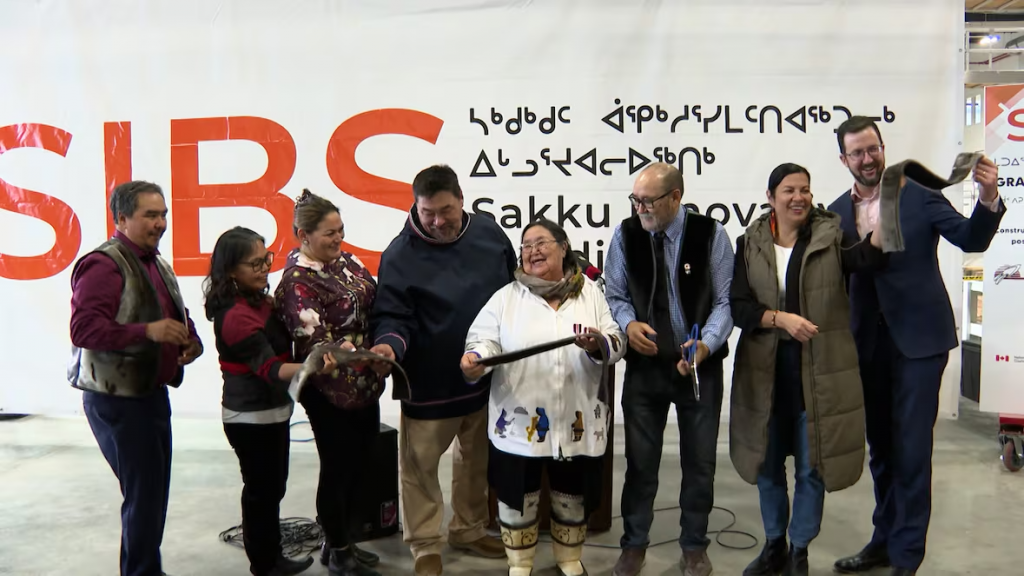
Leaders praise facility as Inuit-led solution to some of territory’s largest issues
It’s been years since Sakku Innovative Building Solutions set out to build an Arviat facility that can create housing for Nunavut communities.
After starting the project in 2023, Sakku — the development arm of the Kivalliq Inuit Association (KIA) — has faced post-pandemic inflation that delayed the facility’s opening and raised the project’s price tag by about 40 per cent to $70 million. But with each obstacle, Sakku Investment Corporation chairperson Dino Bruce said he continued to ask himself and his team one question to keep sight of their goals.
“Are we making life easier for people around us?”
At a ceremony celebrating the factory’s opening on Sept. 29, he said he’s confident they are.
“I know that it’ll benefit the community in Arviat and also our region and even Nunavut,” he said.
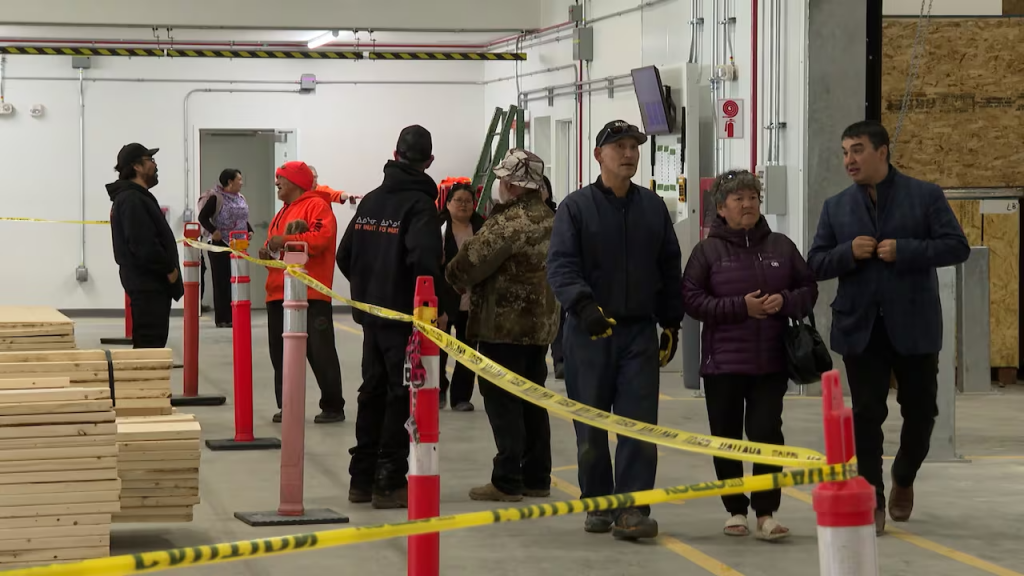
The modular home factory will operate year round, creating homes for northern climates. It can produce 40 homes a year, staff 40 full-time employees and provide training in carpentry, plumbing and electrical work.
“It’s a game changer,” said Arviat Mayor Joe Savikataaq Jr.
Housing shortages and overcrowding are ongoing issues across Nunavut, more than 60 per cent of Nunavummiut rely on public housing. Of those homes, 45 per cent are overcrowded, according to a 2024 audit by the Auditor General of Canada.
Savikataaq Jr. said he hopes the increase in housing stock will help improve health and education in the territory too.
“Everything is tied to housing,” he said.
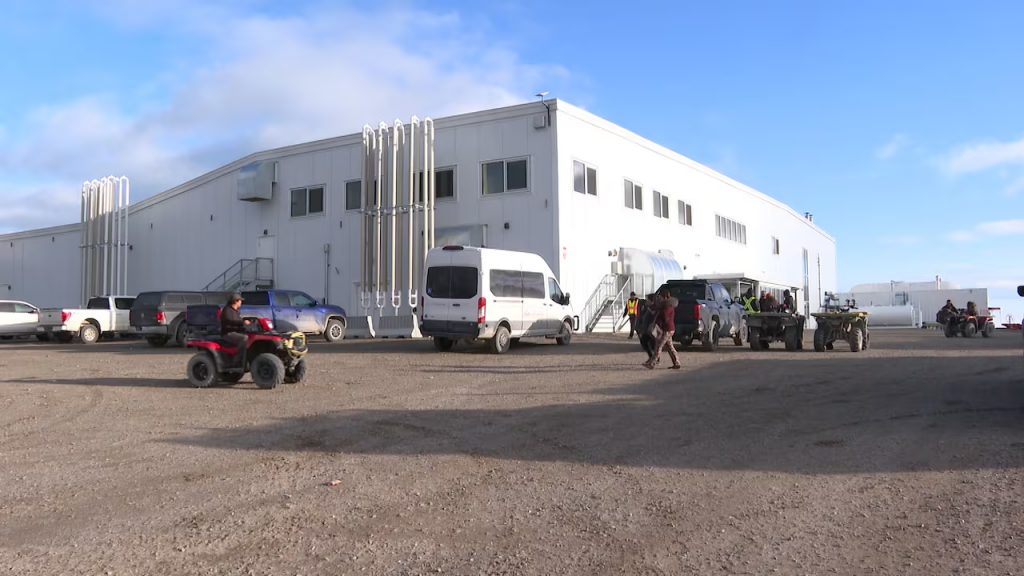
Outside of the new modular home factory in Arviat. (Carl Cardinal/CBC)
The factory currently employs 15 people, 14 of whom are Inuit, and is preparing to ramp up to its full 40-employee scale.
Kono Tattuinee, KIA president, said each of those people represents a change for the better in the region.
“They represent young people seeing new career opportunities without having to leave their community or region, which is very important to us. They represent families benefiting from steady employment and they represent economic benefits staying in Nunavut.”
The factory’s first project is to produce nine three-bedroom homes for Arviat, expected to be complete by spring.
Tattuinee said the factory is the start of a transition for the region as Arviat also prepares to welcome students in 2030 as the main campus for the first Inuit-led university in Canada’s Arctic.
National security is human security
Amid the turbulence of the trade war with the U.S., Nunavut Premier John Main said Canadians are thinking more critically about what we buy and who benefits from Canadian dollars.
“And so this factory here is a great example on how we need to respond as a country,” he said.
Rebecca Chartrand, Canada’s minister of Northern and Arctic Affairs, agreed, adding that national security is about ensuring people are able to meet their needs.
“When we’re thinking about national security, we must also talk about human security,” she said.
“It’s about housing, it’s about food security, it’s about ensuring that we have clean drinking water in our communities, that we have employment opportunities for our young people.”
“As the first Inuit-owned modular housing factory in Nunavut you are showing the way, you’re showing what’s possible.”
Related stories from around the North:
Canada: Iqaluit housing pressure remains despite fewer working-age residents, says report, Eye on the Arctic
Finland: Housing prices keep falling, except in northern Finland, Yle News
Greenland: Despite housing shortages, Greenland razes colonial apartment blocks, Blog by Mia Bennett
Sweden: Arctic Municipality in Sweden ups recruitment perks with housing, ski passes, bonuses, Radio Sweden
United States: Greenland ‘Freedom City?’ Rich donors push Trump for a tech hub up north, Reuters