
Manitoba judge strikes claims against North West Company in proposed class action over grocery subsidy money
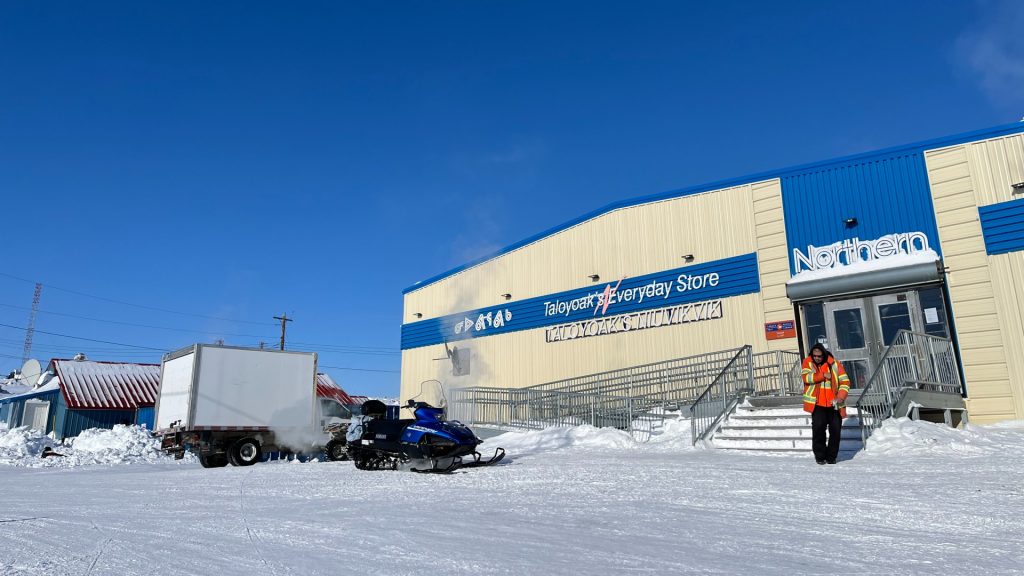
A Manitoba judge has struck all claims made in a proposed class-action lawsuit that accused the North’s biggest grocery chain of keeping federal subsidy money that was supposed to be passed to consumers, deeming each of the claims against the North West Company “certain to fail.”
The judgment from former Manitoba Court of King’s Bench Chief Justice Glenn Joyal was handed down last month, after the plaintiffs’ initial statement of claim was filed in February 2025.
The lawsuit came amid a food insecurity crisis in Canada’s northern communities, where healthy food staples are significantly more expensive than other regions.
That often leaves people in the North unable to afford enough nutritious food. Food insecurity is associated with higher levels of malnutrition, infections, chronic diseases, obesity, distress, social exclusion, depression and suicidal ideation, the decision says.
The proposed class-action lawsuit, which has not been certified, revolved around the North West Company’s involvement in the federal Nutrition North Canada program, which provides money to northern retailers to help offset the costs of certain goods in their stores.
Companies that get that funding have to pass the full subsidy amount to customers, by reducing eligible food prices in the amount of money they get. The North West Company has gotten subsidy payments under the program since its inception in 2011, the decision says.
Plaintiffs Nellie Kusugak, Malaya Qaunirq Chapman, Isabelle Chapadeau and Chief Darryl Wastesicoot are all Indigenous residents of northern Canadian communities who regularly make purchases from stores run by the North West Company and have experienced or seen food insecurity in their community, it says.
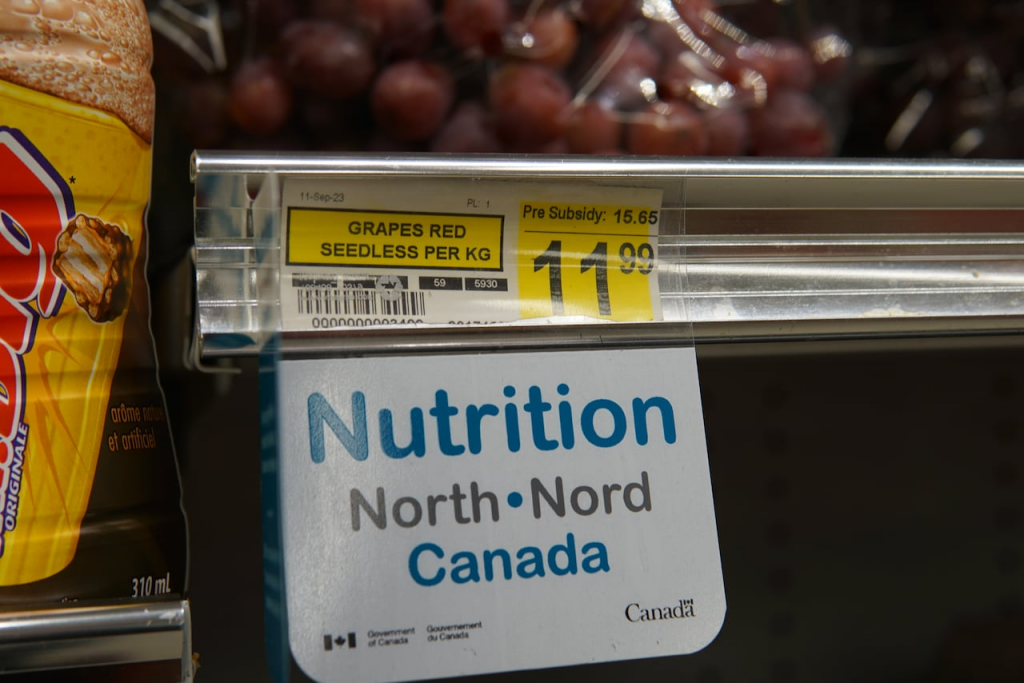
They alleged the company knowingly “deprived” its customers by imposing a higher profit margin on subsidy-eligible products and keeping part of the federal subsidy money as profit.
“Specifically, the plaintiffs say that the defendants did not sufficiently reduce the price of certain products in its retail stores,” the decision says.
The lawsuit sought damages from the North West Company, claiming it “retained millions of dollars in government funding and class members suffered further impoverishment and food insecurity.”
The plaintiffs alleged breach of contract, unjust enrichment and breaches of the Competition Act, the Business Practices Act and other provincial and territorial consumer protection laws.
The judge struck the claims made to date, but didn’t rule on a request from the plaintiffs to amend their statement of claim. Arguments and a decision on that motion “will await the plaintiffs’ opportunity to consider these reasons supporting my decision to strike.”
Lawyer Brodie Noga of the firm JFK Law said in an email the plaintiffs “are reviewing the decision of the court and are considering all avenues.”
No right to subsidy: company
Meanwhile, the North West Company argued that “at its simplest, this case is about the plaintiffs’ belief that they paid too much at the grocery store.”
“A theme running throughout the entirety” of the North West Company’s defence was that if the company had improperly retained Nutrition North funding, “the federal government might or should itself seek recovery,” the decision says.
The company also maintained the plaintiffs “never had any right to the subsidy in the first place,” and so “cannot compel these funds from the defendants any more than they could from the government itself,” Joyal wrote.
He highlighted problems with the lawsuit’s claims, including that the Nutrition North Canada agreement is between the North West Company and the federal government. Third-party beneficiaries have no right to sue “to compel an alleged benefit that arises under someone else’s contract,” the decision says.
Joyal also said the plaintiff’s unjust enrichment arguments were not viable, noting the legal test involves demonstrating the enrichment in question did not come from a number of specific scenarios, including a contract.
The funding agreements between the company and the government “can only be described as ‘contracts’ under which the defendants received its supposed benefit,” the decision says.
For the consumer protection claims, the decision says the plaintiffs didn’t prove a link between the alleged misrepresentations of business practices and their alleged losses.
“Instead, the plaintiffs plead that they all shopped at the defendants’ retail stores because they had no viable alternative in their northern communities,” the decision says. “On their own pleadings, the plaintiffs would have made the purchases anyway.”
Lawyer Michael Rosenberg, whose firm McCarthy Tétrault represents the North West Company in the lawsuit, said counsel for the plaintiffs haven’t said whether their clients intend to appeal the decision or amend their claim.
“Barring an appeal or a motion for leave to amend, this action is at an end,” Rosenberg said in an email.
Related stories from around the North:
Canada: N.W.T. MLA touring Sahtú this week with Food Banks Canada and Nutrition North, Eye on the Arctic
Finland: One in 10 Finnish families with young children dealing with food insecurity: survey, Yle News
United States: New farm bill program aims to fight food insecurity in Alaska, Alaska Public Media