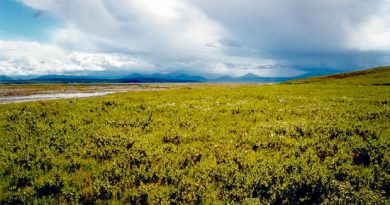
Lapland bucks the trend as rest of Finland logs near-record warm autumn
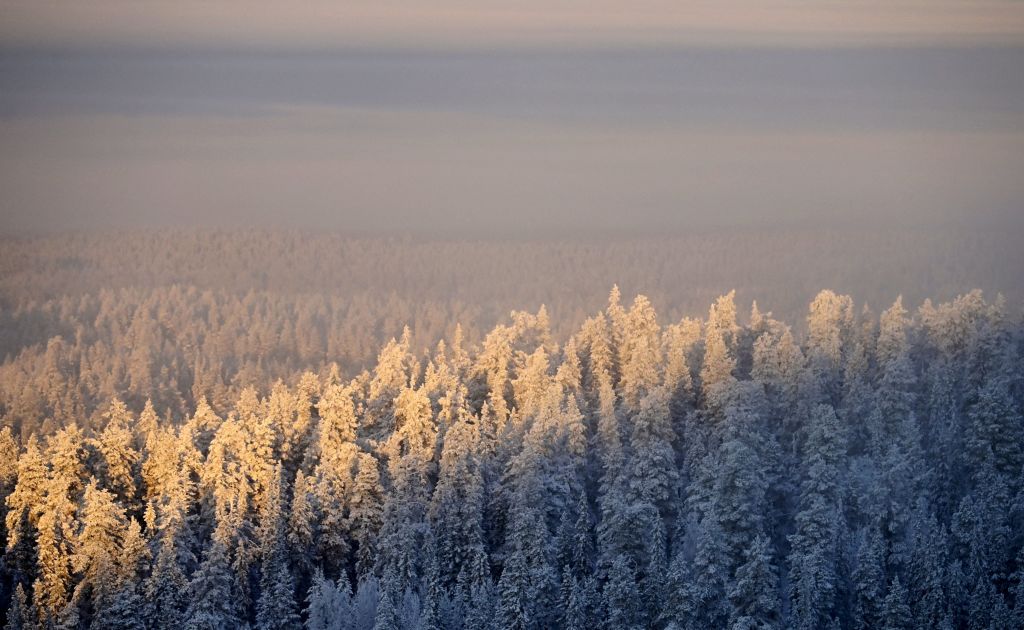
While Lapland maintained its trademark cool this fall, the rest of Finland had what meteorologists classified as an unusually or exceptionally warm season.
“This was the second-warmest autumn on record at many of the Finnish Meteorological Institute’s observation stations,” the agency said in a statement.
“There was a clear split in November: It was cold in Lapland, while the rest of the country experienced mild weather.”
The Finnish Meteorological Institute classifies autumn as the period running from September-November.
Many of the areas where data is collected reported their second-warmest autumn on record, including Jokioinen, a municipality in southwest Finland, and Maaninka, a village and former municipality now part of the city of Kuopio in eastern Finland—both with nearly a century of weather observations.
Utö, a small inhabited island in the Archipelago Sea of southwest Finland and one of the country’s longest-running stations with 140 years of data, logged its third-warmest autumn.
Average temperatures ranged from around 0 C in northwest Lapland to 10 C along the southern coast, sitting more than 2 C above normal for most of the country.
Even Lapland, despite its cold November, recorded autumn temperatures about 1.5 C above the long-term average.
The season’s highest temperature of 25.8 C was recorded on Sept. 8 at the Kärkkä station in Salo.
Precipitation: from soaking rains to dry pockets
Autumn precipitation was generally normal to slightly above average, but the Kainuu–Southern Lapland region saw especially heavy totals. The Paljakka station in Puolanka, in Finland’s eastern Kainuu region, recorded the highest autumn precipitation at 323.6 mm.
Meanwhile, the driest conditions appeared farther north at Lintupuoliselkä in Angeli, Inari, located in northern Lapland, where only 98.9 mm accumulated during the three-month period.
“Precipitation in November was varied,” the FMI said. “Rainfall was lower than normal in the south and the northern reaches; the middle of the country saw much more rain.”
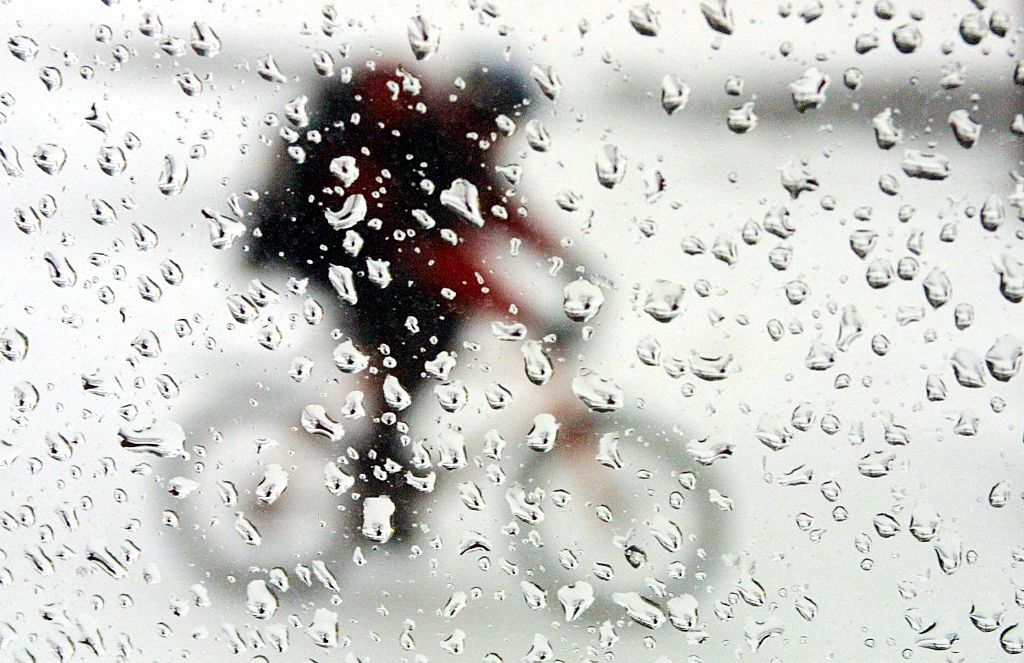
The month also stood out in southern and northern Finland regions that experienced lower-than-usual rainfall, while central areas were drenched.
The Koivuniemi station in Virolahti set a new national daily rainfall record for November, logging 79.0 mm on Nov. 16 and breaking the 1971 record by a wide margin.
By contrast, Kaamanen in Inari measured only 19.1 mm for the month, the lowest in the country.
Sunshine: dim north, brighter south
Northern Lapland, known for its long stretch of winter darkness, saw barely any sunlight, with Utsjoki’s Kevo station recording just a single hour. Farther south, sunshine stayed close to normal levels, with Mariehamn’s Badhusberget station leading November at 48 hours of sunshine.
Comments, tips or story ideas? Contact Eilís at eilis.quinn(at)cbc.ca
Related stories from around the North:
Canada: Warmer temperatures have put chinook salmon — and a way of life — in grave danger, CBC News
Sweden: Cooler summer temperatures good for Sweden’s Sami reindeer-herding communities, Radio Sweden
United States: New research suggest some salmon species expanding their range in the Arctic, Eye on the Arctic