
Canada launches partnerships to close Arctic military communications gap
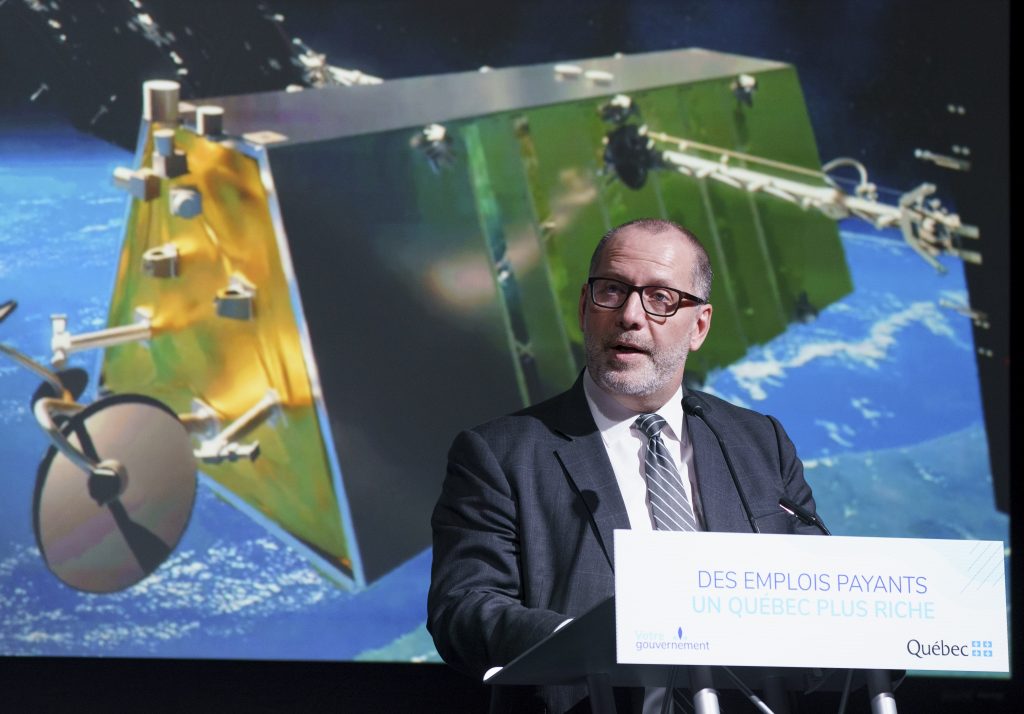
With Arctic security continuing to rise on Ottawa’s list of defence priorities, the federal government has moved to tackle a long-acknowledged gap in northern operations: reliable communications.
The government said Tuesday it has formed a strategic partnership with Telesat Corporation and MDA Space to boost military communications systems in the Arctic.
The partnership will be part of the government’s Enhanced Satellite Communications Project – Polar (ESCP-P) and form the backbone of secure wideband and narrowband connectivity for Arctic operations. It is also one of the first major procurements routed through the new Defence Investment Agency, created last year to accelerate long-delayed military acquisitions.
“Today’s announcement underscores Canada’s commitment to equipping our military with the tools it needs to operate effectively in the North and beyond,” Public Works Minister Joël Lightbound said in a statement, calling the satellite system essential for maintaining secure communications in remote regions.
Arctic communications as a sovereignty issue
Military officials, policymakers and experts have long warned that communications gaps across the polar region hinder Canada’s ability to monitor airspace, project presence and respond quickly to emergencies.
RCAF Commander LGen Jamie Speiser-Blanchet said the new system will “significantly enhance” the forces’ ability to conduct sovereignty missions in the region — a central plank of both NORAD modernization and the government’s Arctic defence policy, Our North, Strong and Free.
Defence Minister David McGuinty positioned the project as a key step in Canada’s evolving approach to Arctic defence.
“We are providing the Canadian Armed Forces with secure, resilient, and modern capabilities — allowing them to safeguard our airspace and respond quickly to emerging threats,and support communities throughout the Arctic and the North,” he said.
A multi-billion-dollar project with domestic implications
Ottawa said the first step of the project was a $2.92-million initial contract doing engineering and options analysis work for ESCP-P.
Industry Minister Mélanie Joly described the partnership as a way to “advance Canada’s sovereign satellite communications capabilities” while strengthening the national space sector.
“This project will create high-value jobs, drive targeted investments and strengthen innovation across Canada’s space and defence sectors, including small and medium-sized businesses,” she said.
MDA Space CEO Mike Greenley noted the company’s long history supporting CAF missions, saying in a separate statement that the partnership would allow it to deliver Arctic [Military Satellite Communications capabilities] “at the speed of operational relevance.”
Comments, tips or story ideas? Contact Eilís at eilis.quinn(at)cbc.ca
Related stories from around the North:
Canada: Yukon Legislative Assembly resumes with the largest government caucus in territory’s history, CBC News
Denmark: Denmark, Greenland agree to build naval wharf in Nuuk amid growing Arctic focus, Eye on the Arctic
Finland: Finland’s border fence almost ready in Lapland, Yle News
Iceland: NATO chief to Arctic Allies: “We’re all frontline states now,” as Iceland’s role grows, Eye on the Arctic
Norway: Suspected illegal Arctic border crossing from Russia to Norway, person detained, The Independent Barents Observer
Russia: Russian navy chief accuses NATO of stepping up spying activities in the Arctic, TASS reports, Reuters
Sweden: NATO sends more ships to High North “amid increasing operational demands”, The Independent Barents Observer
United States: Washington’s new envoy to Denmark pledges more US support for Greenland, Reuters