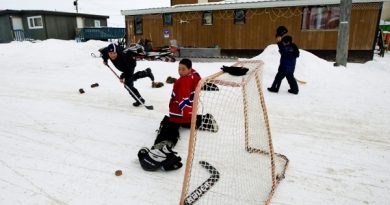
Northern premiers outline priorities ahead of meeting with Prime Minister
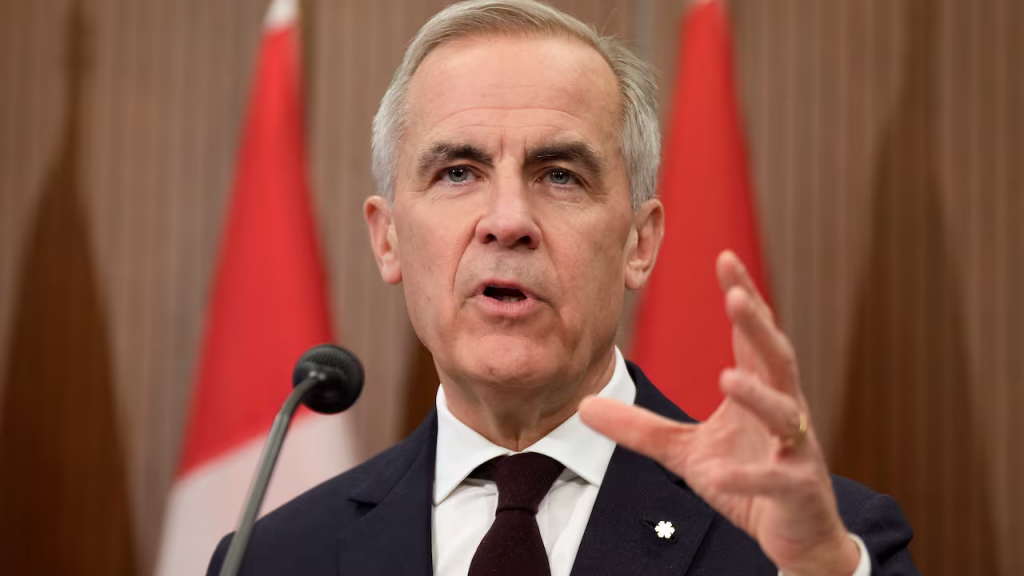
All three Premiers stress the need for infrastructure upgrades
With Canada’s premiers set to meet with the Prime Minister Mark Carney in Ottawa this week, the three territorial premiers are laying out their priorities for the meeting.
Discussions were initially going to focus on what was already a fractious trade relationship with the United States. Carney met with his provincial and territorial counterparts virtually throughout 2025.
But that was then.
In the days leading up to the premiers’ meeting with Carney, U.S. President Donald Trump’s overt desire to take control of the Danish territory of Greenland grabbed international attention. World leaders responded, taking issue with the Trump administration’s messaging and reasoning regarding a potential takeover of the island.
The issue has, once again, raised the importance of Canada’s sovereignty in its own part of the Arctic. The three territorial premiers stressed the role that their jurisdictions, and people, play in that conversation.
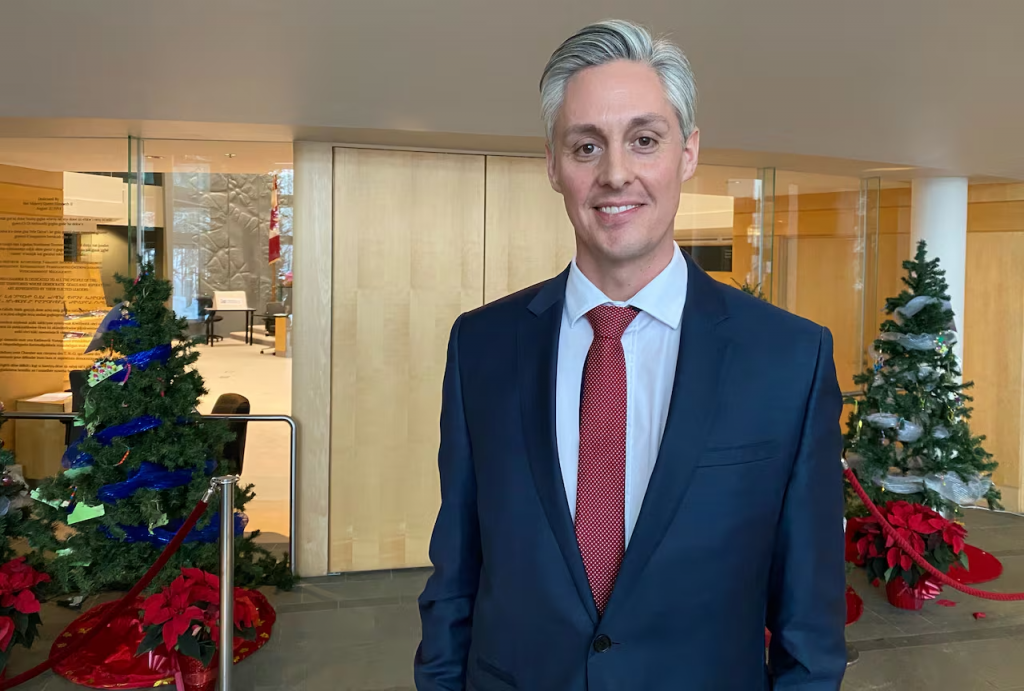
“Up here, we have infrastructure that [was] built in the ‘50s, ‘60s, and ‘70s, and not a lot since then,” Northwest Territories Premier R.J. Simpson said.
Simpson said asserting sovereignty in the Arctic isn’t only about establishing a military presence, but investing in the people who live there too.
“When you look at a map and you see infrastructure there, you see highways and communities, that’s sovereignty,” he said. “That’s our role, is [to assert] Canada’s sovereignty in the North. That’s what the people of the North do every day.”
For Nunavut Premier John Main, the Greenland issue is more acute. Earlier this month he said Nunavut stands in solidarity with Greenland, adding that fresh interest in the island is “deeply concerning.”
With Main present, Nunavut House Speaker David Joanasie even helped raised the Greenland flag at the territorial legislature. Roughly 70 Iqaluit residents also took part in a rally in support of Greenland.
“There’s familial links between Nunavut and Greenland,” Main said in an interview with CBC News. “[There are] strong links through Inuit ancestry and Inuit culture across both jurisdictions.”
Yukon Premier Currie Dixon is also in an interesting position, with Alaska right next door to the territory. Dixon said the territory’s relationship with the state has been caught up in the bigger Canada-U.S. conflict, but addedt he will use the opportunity this week to see what role the Yukon-Alaska relationship can play.
“There will continue to be a relationship between Yukon and Alaska,” Dixon said, providing the example of a team from Alaska travelling to Whitehorse for the upcoming Arctic Winter Games.
“That competition will be fierce but friendly.”
Improved infrastructure needed ‘everywhere you look in every community’
Two territorial premiers will be using the opportunity to advocate for investment in improved infrastructure in their jurisdictions.
“The federal government is now paying attention and they’re talking about a lot of the infrastructure investments in the territory,” Simpson said. “We just need to make sure that those are done in a way that benefits the people of the North, benefits communities.”
With Simpson advocating for transportation and power infrastructure upgrades, Dixon plans to focus on the latter.
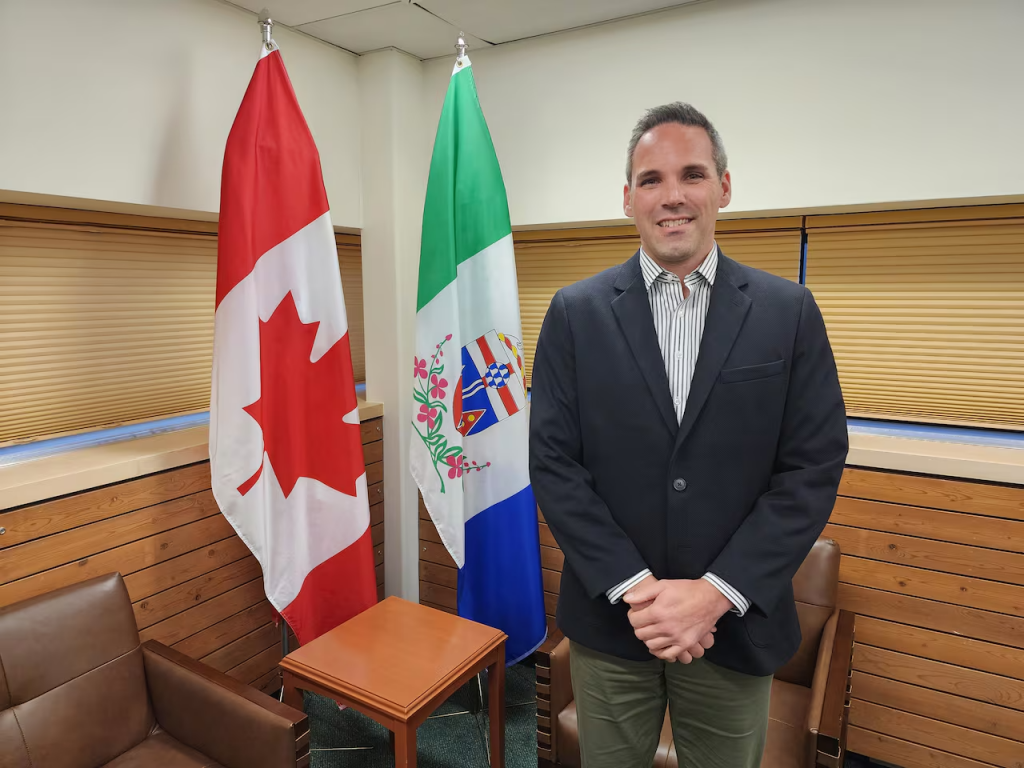
“Over the course of the last few weeks, we’ve learned how perilously close our energy grid has been to failure,” he said, referencing the month-long cold snap in the Yukon which created concerns about rolling blackouts that were, with the public’s help, avoided.
“If we want to see continued growth in our economy and if we want to see an increased presence of the Canadian military in the Yukon, we need to have the power to sustain that growth.”
Main also acknowledges the infrastructure gap in Nunavut.
“We need infrastructure investments everywhere you look in every community,” he said.

But Main also plans to bring up another major issue that affects Nunavummiut: an astronomically high cost of living.
“Anything that’s going to impact that or drive it even higher, like tariffs, [is] a big concern to us,” he said.
Related stories from around the North:
Canada: Analysis shows climate impacts will increasingly strain Canada’s Arctic defence infrastructure, Eye on the Arctic
Finland: Finland’s border fence almost ready in Lapland, Yle News
Iceland: NATO chief to Arctic Allies: “We’re all frontline states now,” as Iceland’s role grows, Eye on the Arctic
Norway: After three decades of Norway, Russia bridge-building comes a plan for detonation, The Independent Barents Observer
Russia: Kremlin says Russia is interested in foreign investment, including Arctic, after U.S. plans report, TASS reports, Reuters
Sweden: NATO sends more ships to High North “amid increasing operational demands”, The Independent Barents Observer
United States: Washington’s new envoy to Denmark pledges more US support for Greenland, Reuters