Kremlin says Russia is interested in foreign investment, including Arctic, after U.S. plans report
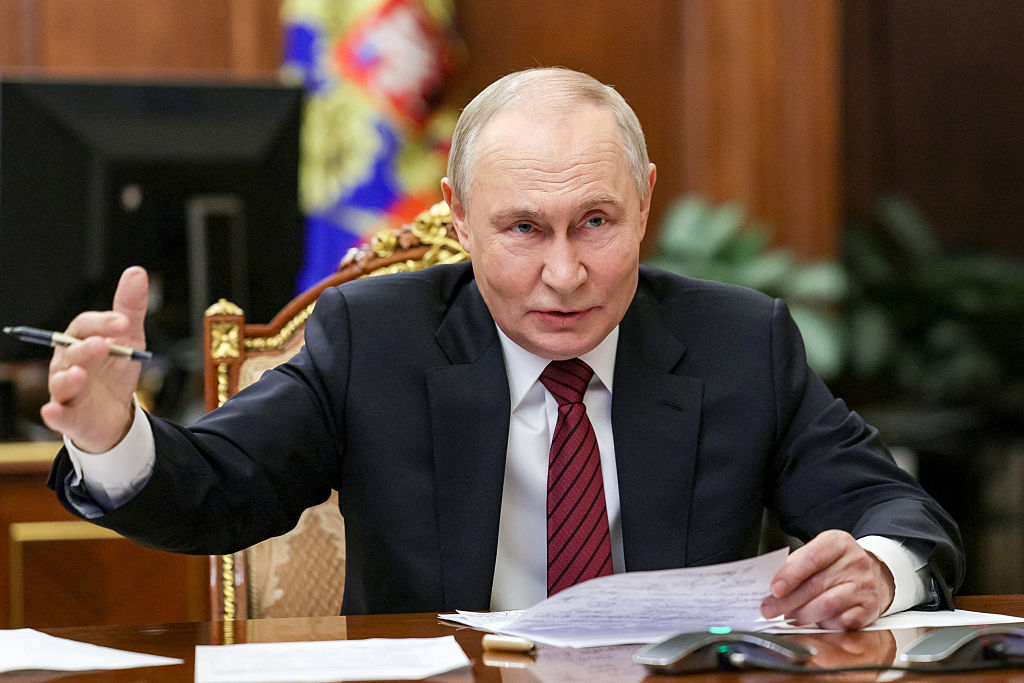
The Kremlin said on Thursday that Russia was interested in attracting additional foreign investment after the Wall Street Journal reported that the U.S. plan for peace in Ukraine includes proposals to invest in Russian rare earths and energy.
The Journal said the plans, detailed in appendices to peace proposals drafted by the administration of U.S. President Donald Trump and handed to European counterparts over recent weeks, include proposals to restore Russian energy supplies to Europe.
In addition, U.S. companies would invest in Russian strategic sectors such as rare-earth extraction and oil drilling in the Arctic, and U.S. financial firms and other businesses would tap $200 billion of frozen Russian sovereign assets for projects in Ukraine, the Journal said.
When asked about the Journal report, Kremlin spokesman Dmitry Peskov said that Russia has always been and remains open to foreign investment but that Moscow would not engage in megaphone diplomacy.
“We are interested in an inflow of foreign investment,” Peskov told reporters. “As for the plans, we are not engaged in a megaphone discussion of any plans, any projects.”
When asked about the proposals on tapping $200 billion in Russian assets, he declined to comment.
The Journal said that one unidentified European official compared the proposed U.S.-Russian energy deals to an economic version of the 1945 Yalta conference.
At that meeting, the victors of World War Two, the Soviet Union, the United States and Britain, divided up their spheres of interest in Europe.
After Russia invaded Ukraine in 2022, many Western investors left Russia or mothballed their investments – and some major stakes were taken over by Russian investors or confiscated by the state and handed over to Russian businessmen.
Western European powers and the administration of U.S. President Joe Biden sought to cripple the Russian economy with the most severe sanctions ever imposed on a major economy, and Europe tried to wean itself off Russian gas.
Ukrainian President Volodymyr Zelenskiy said on Wednesday Ukraine had agreed on key points of a post-war reconstruction plan in talks with Trump’s son-in-law, Jared Kushner, and other top officials amid moves to clinch an overall settlement of the nearly four-year-old war.
Related stories from around the North:
Canada: Canada launches partnerships to close Arctic military communications gap, Eye on the Arctic
Denmark: Denmark, Greenland agree to build naval wharf in Nuuk amid growing Arctic focus, Eye on the Arctic
Finland: Finland’s border fence almost ready in Lapland, Yle News
Iceland: NATO chief to Arctic Allies: “We’re all frontline states now,” as Iceland’s role grows, Eye on the Arctic
Norway: Suspected illegal Arctic border crossing from Russia to Norway, person detained, The Independent Barents Observer
Russia: Russian navy chief accuses NATO of stepping up spying activities in the Arctic, TASS reports, Reuters
Sweden: NATO sends more ships to High North “amid increasing operational demands”, The Independent Barents Observer
United States: Washington’s new envoy to Denmark pledges more US support for Greenland, Reuters