Ottawa will fund first Inuit-led university as part of major announcement for Inuit communities
Funding also includes $115M for Inuit Child First Initiative, $27M for tuberculosis eradication
Ottawa will provide $50 million to help build the first Inuit-led university in Canada and more than $170 million for tuberculosis elimination, food security, and child and family supports in Inuit communities, CBC News has learned.
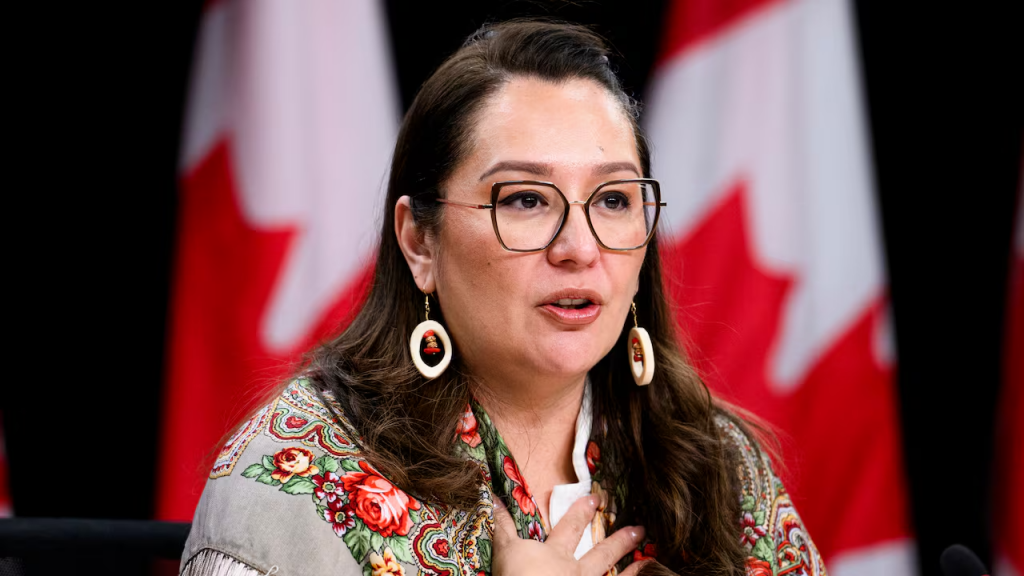
Indigenous Services Minister Mandy Gull-Masty is scheduled to make the announcement in Kuujjuaq, Que., on Thursday afternoon at a meeting with the Makivvik Corporation, the legal representative of Inuit in Nunavik.
“Together, we can create lasting opportunities that empower Inuit communities to thrive and shape their own future,” Gull-Masty said in a statement.
“These investments reflect our commitment to addressing long-standing gaps in health and community services, while supporting Inuit-led priorities and strengthening the foundations that sustain vibrant, healthy communities in the North.”
The long-awaited funding, which is intended to improve the quality of life for Inuit and close long-standing gaps, is being welcomed by Inuit leaders after the dollar figures were notably absent from last fall’s federal budget. But they’re calling on Ottawa to go even further to address glaring inequities in their communities.
“This funding will make a meaningful difference in the lives of our children and families,” said Makivvik president Pita Aatami.
“However, much work remains to close long-standing gaps and address the systemic challenges that Inuit continue to face.”
The federal government says it will continue working with Inuit partners on solutions that reflect their priorities and support strong communities.
The federal commitment of $50 million for the first Inuit-led university in the country set to be built in Arviat, Nunavut, will be funded through Budget 2025’s Build Communities Strong Fund. Support was promised in the budget, but it didn’t specify a dollar amount until now.
“Inuit Nunangat University is a transformative initiative that will strengthen Inuit-led education and community wellbeing, and contribute to long term economic and social development across Inuit Nunangat,” Housing Minister Gregor Robertson said in a statement.
“Learning and working at home means that more Inuit will have the opportunity to grow in the North.”
Funding for Inuit children was set to expire
Ottawa is also giving $115 million to renew the Inuit Child First Initiative, which was set to expire at the end of March.
The program is a temporary measure to ensure Inuit children have equal access to health, social, educational services and other essential supports without delay, including food vouchers.
More than three-quarters of Inuit children in their homeland — known as Inuit Nunangat — experienced food insecurity in 2022, according to Statistics Canada.
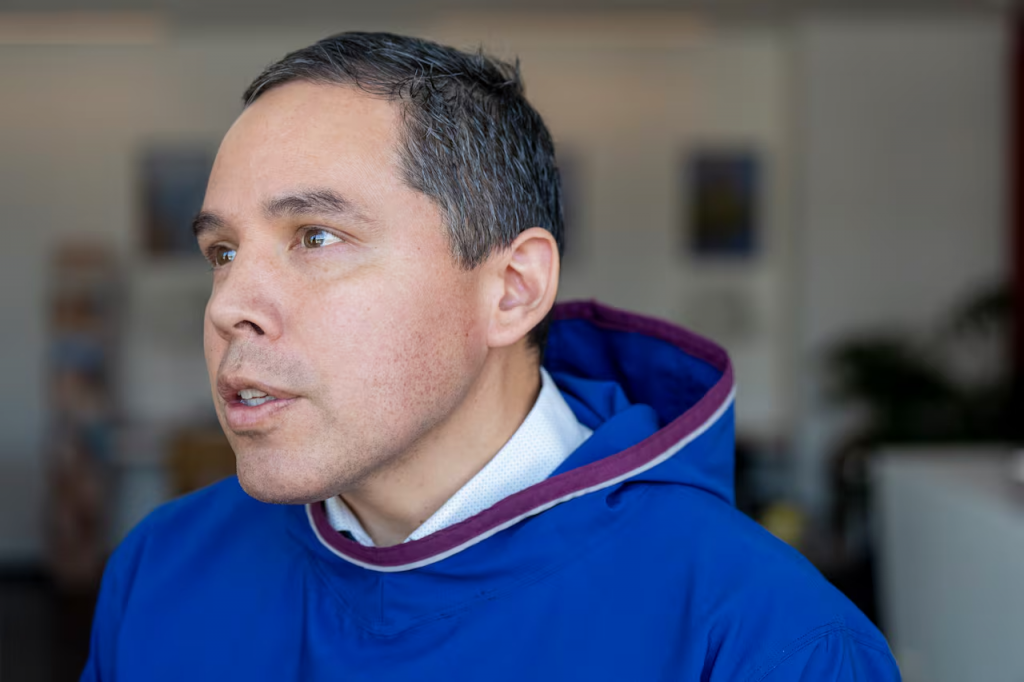
The Inuit Child First Initiative has up to 7,000 outstanding funding requests that have not been adjudicated by Indigenous Services Canada, according to figures shared with Inuit Tapiriit Kanatami (ITK) from the federal department.
“That is an indication that there are huge administrative challenges with this initiative,” ITK president Natan Obed, who heads the national representational organization of Inuit.
Obed told CBC News he’s made it known to Gull-Masty that one of the first orders of business should be to respond to those waiting for the initiative’s funding, then work on improving the program with long-term funding.
Along with support for Inuit children and families, Gull-Masty is set to unveil $30 million for the Nutrition North Canada subsidy to ship food and essential items to 124 isolated northern communities.
The retail-subsidy program is meant to reduce the cost of perishable food and essential items in isolated, northern communities.
An additional $6.7 million is being set aside for the Northern Isolated Community Initiatives Fund to support businesses and community groups in finding ways to grow and distribute food locally.
‘I would imagine Canadian soldiers don’t want to contract TB either’
The federal government will also spend $27 million over five years to support Inuit-led, community-specific efforts to be rid of tuberculosis by supporting better prevention, screening, diagnosis and treatment.
Obed commended the government for its pledge, but said even more needs to be done to ensure the disease is completely eliminated from Inuit communities, especially as the federal government is preparing to spend billions of dollars to shore up Arctic security.
“If the Government of Canada wishes to expand its footprint in Inuit Nunangat through the military … I would imagine that Canadian soldiers don’t want to contract TB either,” Obed said.
In 2018, ITK and the federal government committed to eliminate tuberculosis in Inuit Nunangat by 2030.
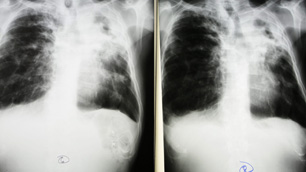
It’s unclear if that target will be met.
Inuit communities still have some of the highest rates of the disease in the world. Nunavik ended last year with a record number of tuberculosis cases.
Jessika Huard, the tuberculosis elimination program manager at the Nunavik Regional Board of Health and Social Services (NRBHSS), told CBC News at the height of last year’s outbreak that the health system is far from the only tool needed to fight tuberculosis.
“We need housing, infrastructure and other social services to all work together in order to fix this,” she said.
The jurisdictions of Newfoundland and Labrador, Quebec, Nunavut and the Northwest Territories also play an essential role in the work to be rid of tuberculosis.
“Inuit are dying of tuberculosis,” Obed said. “This is a disease that has tremendous ramifications for the sustainability of our communities and the cost of our health-care system.”
Obed is calling on Ottawa to take more leadership, with targeted funding for housing and health infrastructure, food security and poverty reduction.
“We are still waiting for the Government of Canada to honestly come to the table and work towards the elimination of tuberculosis as if it is the crisis that it is in our communities,” Obed said.
Related stories from around the North:
Canada: Arviat, Nunavut, chosen as main campus site for Canada’s 1st Inuit university, CBC News
Finland: Everyone encouraged to boost Sami language visibility in Finland, Norway and Sweden this week, Eye on the Arctic
Norway: Indigenous and minority language names for Norway now have official status, The Independent Barents Observer
Russia: German project to house everything published in Siberian and Arctic languages to seek new funding, Eye on the Arctic
Sweden: Can cross-border cooperation help decolonize Sami-language education, Eye on the Arctic
United States: Inuit leaders applaud UN move to designate International Decade of Indigenous Languages, Eye on the Arctic