
Officials say rabies in Pangnirtung, Nunavut, is an ‘active and serious threat’
By Samuel Wat
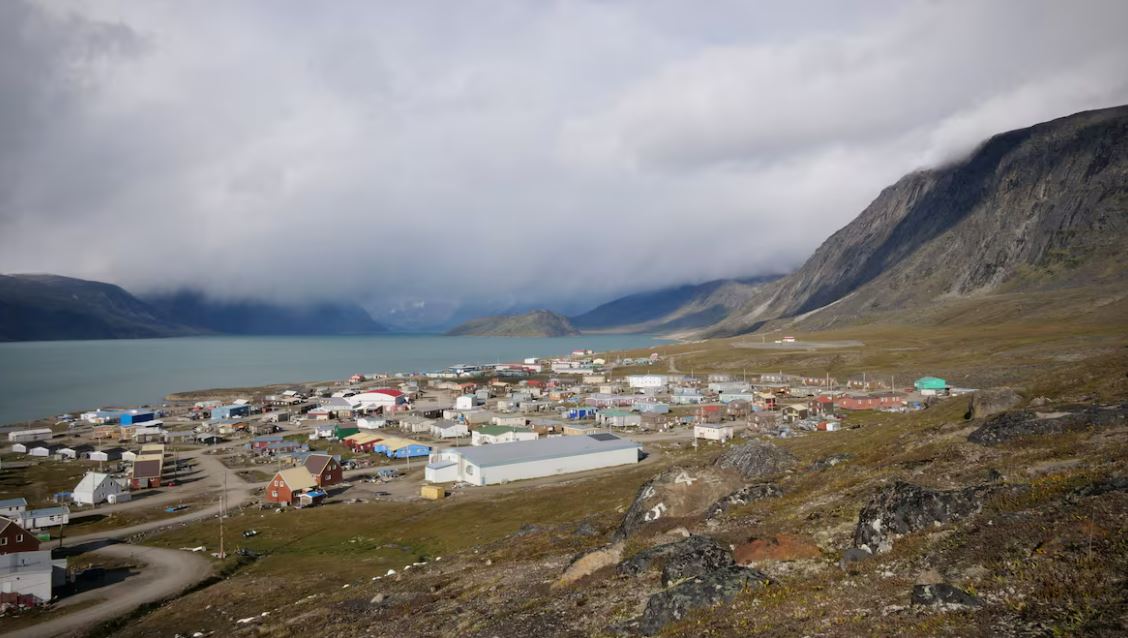
Health officials say there’s an “active and serious threat” of rabies in Pangnirtung, Nunavut, with the disease having killed at least three dogs over the past two months.
The department says those deaths are all linked to one dog team. A fox has also died with rabies.
Pangnirtung resident and dog team owner Cameron McDonald says those three dogs belong to him.
“It’s definitely been a bit of an emotional roller coaster. We’ve been trying to manage running our dogs but also balancing keeping them safe.” he said.
When his first dog fell ill mid-March, McDonald thought it may have been some other disease as he has vaccinated all of his dogs.
But then a second dog became sick in early April, and he saw a video circulating on Facebook of a fox acting erratically. That’s when he suspected his dogs had rabies. McDonald said from conversations with veterinarians, they believe the vaccines may have been administered when the dogs were too young, or they had a bad batch of doses.
“At that time, the environmental health officer didn’t really believe that we were dealing with rabies,” he said.
Rabies is a deadly disease and treatment in humans must begin quickly after exposure.
McDonald said he pushed for his dogs to be sampled, and sure enough, two of his dogs tested positive for rabies. He had a third dog die in April, which officials have linked to rabies as well.
From conversations with other dog owners, McDonald believes there could be at least three other rabies-related deaths that aren’t being publicly reported by the health department.
Nunavut’s chief public health officer, Dr. Ekua Agyemang, says the department has received reports of more rabies deaths — but those dogs weren’t tested and therefore not part of the official count.
Agyemang said those dogs with suspected rabies were put down by police officers and sent to the dump. She said it’s a safety precaution when dogs are behaving strangely and officials don’t have the right safety equipment.
“Testing means correctly taking off the head, packaging it in the way that can be shipped. And usually if people are not in the position to do that, then the safest thing is to dispose of [it] so that other animals are not interacting with it” she said.
Isolation measures
Federal regulations, such as the Health of Animals Regulations, allow inspectors to order a person to isolate or muzzle a dog that is believed to have been exposed to rabies.
McDonald said the environmental health officer ordered him to build individual kennels for each of his dogs to isolate them.
“But the truth of the matter is, there’s no materials in town to build the kennels,” he said.
Agyemang said she acknowledges housing is an issue. If there’s no space to isolate an animal, she said they try other options such as having police or peace officers observe the animal.
In McDonald’s case, Agyemang said it’s a complicated situation with his entire dog team at risk.
“We’ve already spoken with this individual and identified ways by which they can safely isolate their dogs or the alternative, which is putting the dogs down,” she said.
Controlling loose dogs
McDonald says he hasn’t seen any information sessions for residents about the threat of rabies, but he does give credit to the hamlet for holding a recent vaccination clinic for dogs.
In his view, the biggest threat of rabies exposure isn’t his dogs, but the stray dogs running loose around town.
Fellow resident Margaret Nakashuk shares that concern, and she’s especially worried about all the people outside with the weather warming up.
“It’s this time of the year with the kids being out … you’re asking for something to happen if it’s being ignored,” she said.
CBC News has reached out to the hamlet and the Nunavut government’s environment department, but did not hear back by deadline.
Agyemang says she is working with the hamlet on the stray dog issue.
She’s reminding residents to tie up their dogs and report any suspicions that an animal may have rabies.
Signs to look out for include strange or aggressive behaviour, staggering, frothing at the mouth, choking or other strange noises.
Related stories from around the North:
Canada: Caribou in Coral Harbour, Nunavut, tests positive for rabies, CBC News
Norway: Could drones help prevent polar bear attacks on the Arctic archipelago of Svalbard?, The Independent Barents Observer
United States: Polar bear in fatal Wales attack was in poor health, The Associated Press