To help solve the North’s ‘energy deficit’, Ottawa looks at nuclear options
By
The Department of National Defence is exploring whether nuclear energy can work in the Arctic
The federal government is spending millions to look for new ways nuclear energy could support the North.
Late last month, Ottawa gave the defence company Canadian Strategic Missions Corporation (CMSC) $4.5 million “to advance Canadian-made energy solutions that will secure the North,” according to a press release from the corporation.
“This investment is a major milestone that will accelerate the development of CSMC’s micro-nuclear reactor towards detailed design and a fueled demonstration, readying the technology for deployment in Canada’s Arctic,” it reads.
The company specializes in deploying micro-nuclear reactors to remote and extreme environments.
“We’re working on building… very small nuclear reactors deployable into the Arctic to replace the diesel generators that are up there,” said Daniel Sax, founder and CEO of the corporation.
Traditional nuclear reactors used in Canada can generate about 800 megawatts of electricity, or enough to power about 600,000 homes at once.
The International Atomic Energy Agency, the UN organization for nuclear co-operation, considers a nuclear reactor to be “small” if it generates under 300 megawatts.
But what Sax is working on is even smaller. One expert suggests a microreactor could generate between one and 50 megawatts.
“Our reactor is about the size of a desk,” Sax said.
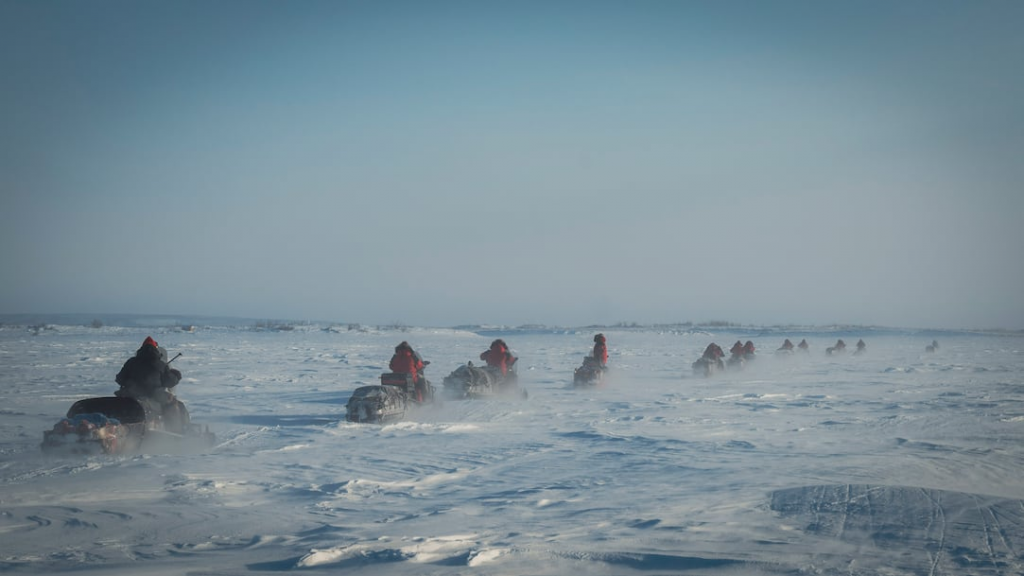
Sax says moving away from diesel, towards nuclear, would benefit northerners by providing new, cleaner and more reliable energy. And with these benefits, he says it’s a step toward better securing Canada’s Arctic.
Sax also says the goal is to perform a demonstration of the nuclear reactor by 2028 and then get this technology into the field by 2030. It’s still unclear where in the North it will go.
‘Energy security and reliability’
Canada’s Department of National Defence (DND) confirmed to Radio-Canada in an email that it has launched a multi-year program to see whether a small nuclear reactor can be deployed in the Arctic.
“Microreactors have the potential to enhance our energy security and reliability in the Arctic, while reducing greenhouse gas emissions related to DND and CAF [Canadian Armed Forces] operations and facilities,” the department’s statement reads.
“These are key factors that led to the establishment of the microreactor feasibility program.”
Ryan Clarke, director of corporate and commercial affairs at Canadian Nuclear Laboratories, has an interest in what future nuclear power could have in the North. He says it could solve some longstanding problems.
“We know there’s a lot of energy needs in the North,” Clarke said. “They’re already in an energy deficit and they really do need increased energy.”
Bringing in diesel — sometimes, by air — is an already expensive practice and poor for the environment, Clarke said.
Clarke says a microreactor can help solve this because it can have a fueling cycle of anywhere between five to 20 years.
By contrast, with nuclear, “you put the fuel in and you might not need to reimport for a decade to two decades,” he said.
“So that would be really interesting right now because the North has very, very long supply chains.”
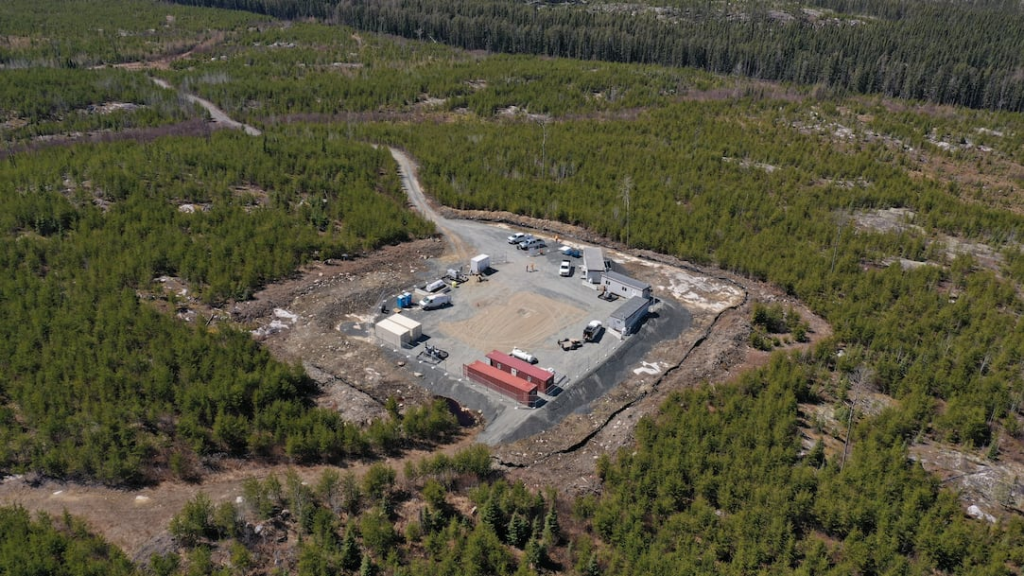
But questions still remain about the possibility of using this technology in extreme climate conditions.
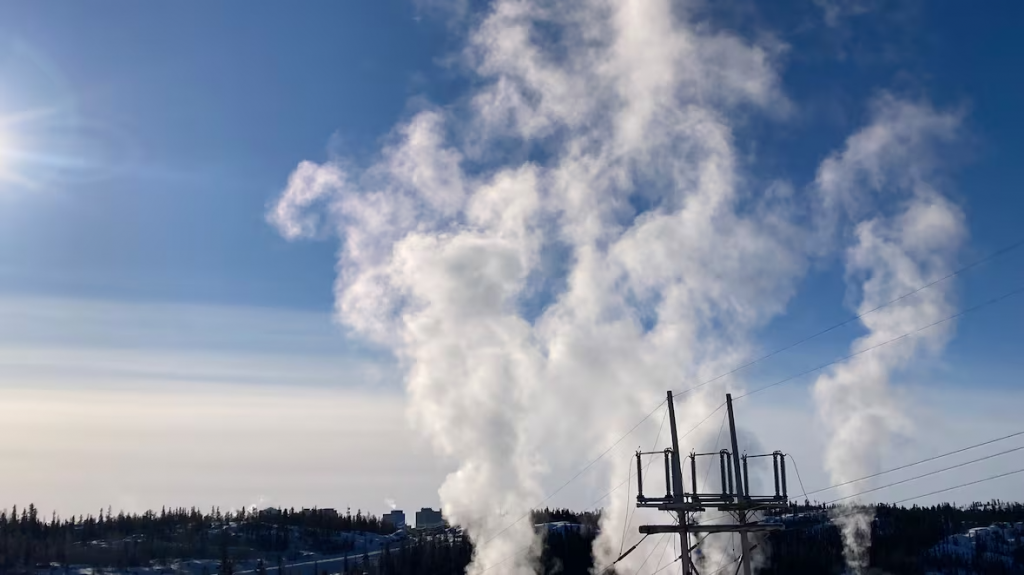
One concern is that the heat generated by nuclear reactors could contribute to permafrost melt.
Another is where to store nuclear waste generated by the microreactors.
Northwestern Ontario has been eyed as a potential host for Canada’s first deep geological repository for nuclear waste. Earlier this year, the federal government announced the repository is possibly being listed as a project of national interest, which means the construction timeline for the $26-billion project could be accelerated under the Building Canada Act.
Related stories from around the North:
Canada: Yukon government offers incentives to switch to fossil fuels and rebates on electric bills, CBC News
Finland: Lapland among regions not in favour of wind power compensation for eastern Finland, Yle News
Norway: Will the green transition be the new economic motor in the Arctic?, Eye on the Arctic
Russia: Fuel crisis grips Karelia in northern Russia, The Independent Barents Observer
Sweden: Electricity prices climb in Sweden as Russian gas pipeline goes offline, Radio Sweden
United States: Alaska’s Northwest Arctic Borough gets $2 million tribal energy grant, Alaska Public Media