Inuit Circumpolar Council to focus on greater voice in Arctic maritime policy
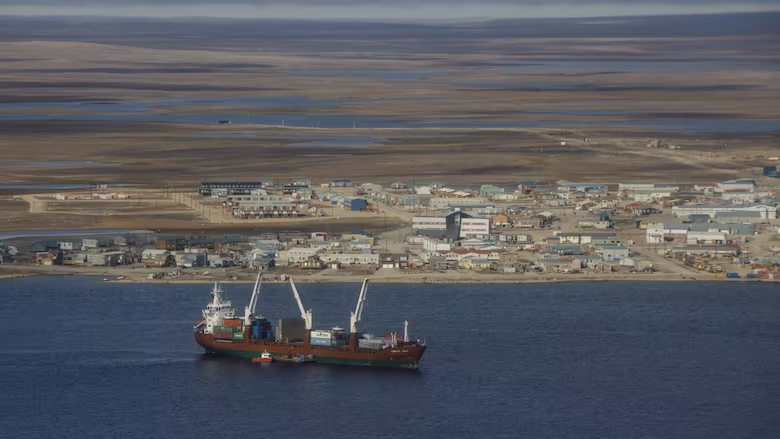
The Inuit Circumpolar Council is focusing on shipping and marine governance among its priorities for the next four years, including pushing for Inuit involvement in shipping corridors, vessel tracking and maritime safety.
“Inuit are a marine People, and that the Arctic marine environment is vital to our health, well-being, connectivity, and overall existence,” ICC said in its 2026 Iqaluit Declaration, adopted by the ICC general assembly in Iqaluit this July.
The declaration stresses increased Inuit involvement in Arctic shipping policy, calling for corridors and other measures to be co-developed with Inuit and informed by Indigenous Knowledge.
The declaration also calls for Inuit-led approaches to managing navigation and maritime safety, but does not provide details on what those could look like.
ICC did not respond to interview requests for more information, but the document calls for Inuit to have access to vessel tracking and monitoring systems, and real-time communication tools.
International marine governance strategy to be developed
ICC represents approximately 180,000 Inuit in Alaska, Canada, Greenland and Chukotka, Russia.
Its focus on shipping comes after ICC was granted permanent consultative status at the International Maritime Organization (IMO), the UN agency responsible for regulating international shipping.
Before then, Inuit representatives attended IMO meetings under the banner of state delegations, such as Canada or the United States, or as part of non-governmental organizations.
At the time, ICC said those arrangements limited its ability to amplify Inuit concerns, especially in the face of increased global interest in the Arctic and growing shipping traffic in the North.
The 2026 Iqaluit Declaration also calls for a greater role for Inuit in Central Arctic Ocean management and the development of an international marine governance strategy.
Canadian leadership to 2030
Leadership of the Inuit Circumpolar Council rotates every four years.
The Iqaluit general assembly saw the chairship go from Greenland to Canada, with Canadian Aluki Kotierk taking over as international chair from Greenlander Sara Olsvig.
Comments, tips or story ideas? Contact Eilís at eilis.quinn(at)cbc.ca
Related stories from around the North:
Canada: Shipping industry leaders call for bolstered security, mapping of Arctic water, The Canadian Press
Norway: Hybrid-powered electric cruise ship navigates Northwest Passage, CBC News
Russia: Melting Arctic could create shipping superhighway… and a surge in emissions: study, Eye on the Arctic
United States: U.S. Coast Guard monitors Chinese ships in Arctic waters…again, Eye on the Arctic