
Crossings down another 5% in February as multi-entry visas expire
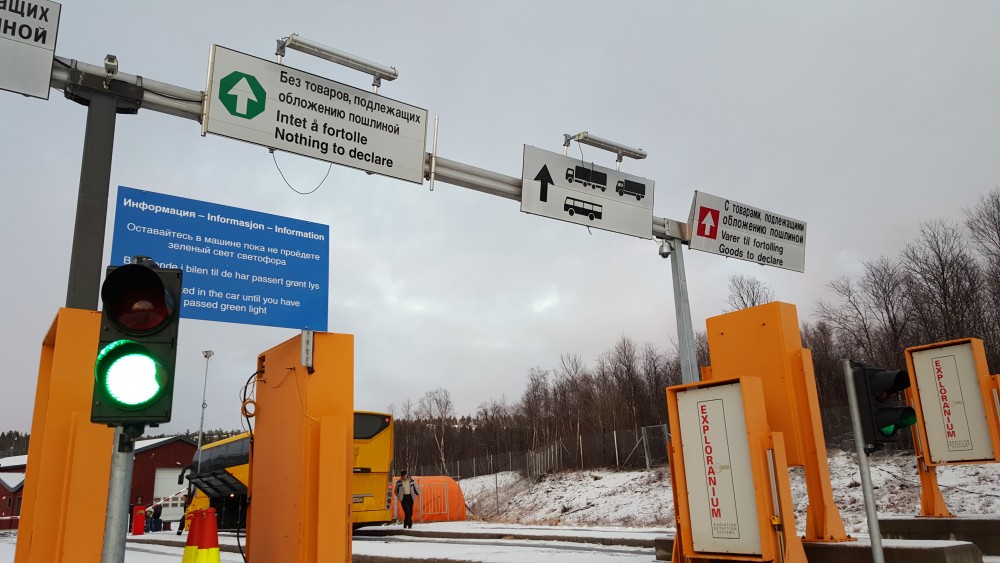
There were just over 4,000 crossings at the Norwegian-Russian border in February.
2019 was the last year before the pandemic and war that Norway issued large numbers of 5-year valid multiple-entry visas to Russians in the Murmansk region. Those are now expiring and traffic at the border continues to drop.
Norway has closed its consulate general in Murmansk and the embassy in Moscow no longer issues tourist visas.
People crossing the border nowadays are mainly those heading to other European destinations, using Storskog checkpoint into Norway as transit.
Crew to Russian fishing boats allowed to make port calls to Tromsø, Båtsfjord and Kirkenes drive bus from Murmansk into Norway, and a few with dual citizenship live in northern Norway visiting relatives in Russia.
Shoppers from Murmansk to the border town of Kirkenes are becoming a rare sight. Norway last October introduced a ban on Russian private cars from entering.
If the trend from January to February continues, 2024 could see a halving in traffic compared with 2023 when 72,000 crossings occurred.
“The numbers from February show 4,098 crossings at Storskog,” says Sven Arne Davidsen with the police in charge of immigration control.
That is down 4,76% compared with January and down 36% compared with February last year.
Related stories from around the North:
Finland: Thousands may be waiting to cross Finnish-Russian frontier, border official says, Yle News
Russia: Russia’s foreign ministry spokeswoman blames Finland, West for border issues, Yle News
Sweden: EU deploys additional border guards to Finland, Radio Sweden




It made me realize how much of our everyday rhythm — the trips we take for work, for family, for little visits we take for granted — is shaped by things most of us don’t think about until it changes. When a multi-entry visa expires, it doesn’t just affect a statistic; it affects actual people and their patterns of travel. That shift in crossings feels like a quiet reminder that travel permission isn’t just a technicality — it’s something that affects people’s connections to places and loved ones.
I really liked that the article explained this in straightforward terms, without making it seem dramatic or confusing. It didn’t read like a complaint or a crisis report — it just laid out what happened and why, and that made the reality easier to connect with. It also reminded me that border policies can have ripple effects that aren’t always obvious: a drop in crossings might seem small, but behind it are stories of people who are changing plans, rescheduling visits, or even feeling a little less free to move around as they used to.