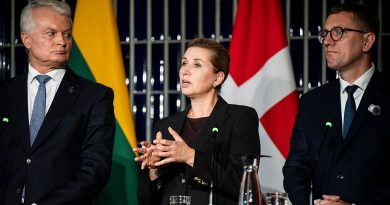
Turbine producing no power as Kluane First Nation celebrates wind project anniversary
Chief says turbine a ‘huge achievement’ for his community, after more than a decade of work
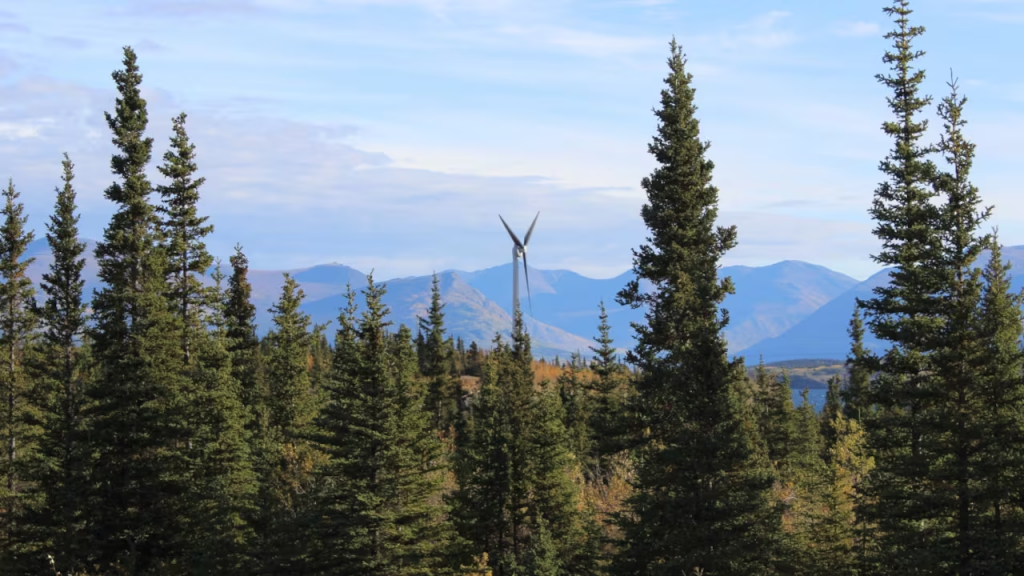
Kluane First Nation celebrated the first anniversary of its wind turbine last week, something the chief described as a “huge achievement.”
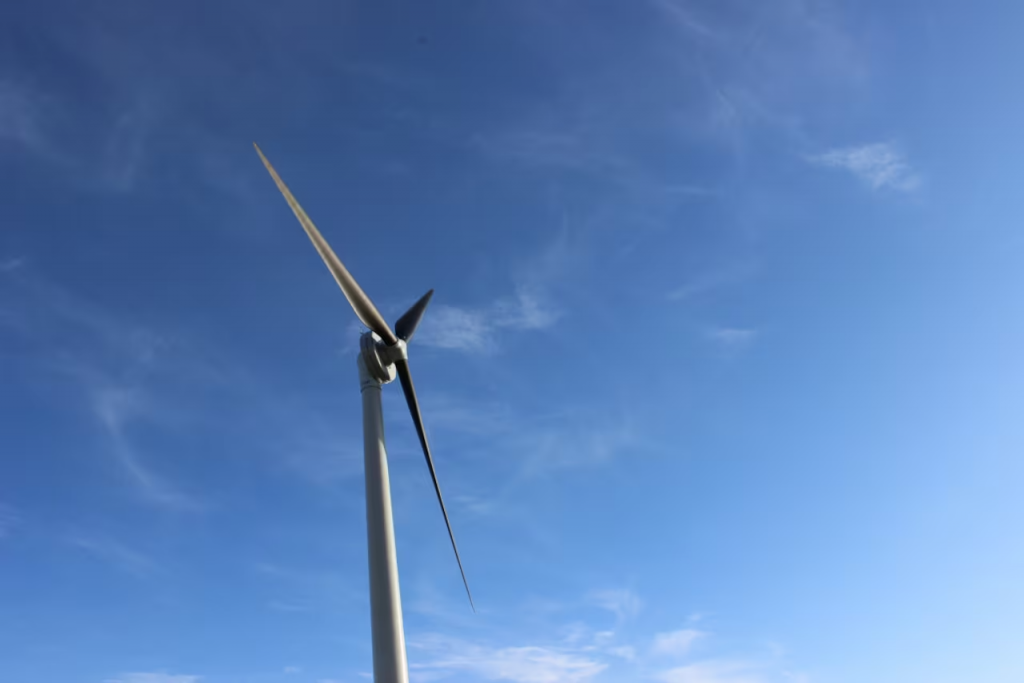
However, as residents and dignitaries gathered Friday beneath the turbine’s rotating blades, between Destruction Bay and Burwash Landing, Yukon, the towering 77-metre machine wasn’t generating power – and it hasn’t been for the last month.
Asked later why the blades stopped rotating after Friday’s event, Kluane First Nation Chief Robert Dickson said he didn’t know if the turbine was working and directed CBC News to speak to ATCO about it.
In an emailed statement to CBC News on Tuesday, Jay Massie, ATCO Electric’s vice president of northern development and Indigenous relations, said the turbine has been offline since August 15 because ATCO is upgrading its protection system, a safety measure he said would allow it to operate “reliably and securely.”

He said ATCO and Green Cat, the turbine’s operating contractor, decided to let it “freewheel” for Friday’s celebration – meaning it would spin without generating power. He said it wasn’t connected to the grid to “ensure system integrity and personnel safety.”
How does it work?
Kluane First Nation owns the 900-kilowatt turbine, which is expected to offset nearly half the diesel the off-grid communities of Burwash Landing and Destruction Bay have needed to generate power.
Dubbed the Lhù’ààn Mân N’tsi (Kluane Lake Wind) Project, it started operating in the fall of 2024 after more than a decade of planning, according to Dickson. It wasn’t until this year, however, that it started to make a noticeable difference.
“This spring is when we really achieved, you know, like weeks on end of the generator shutting down and the windmill actually producing power,” he said. “This is a huge achievement for our community.”
ATCO said the turbine was expected to be operational again in early October once the installation of something called an interlock was complete. It makes sure equipment is “de-energized” during maintenance and “unplanned conditions,” the company said, and the turbine didn’t have this kind of protection system before.
“We at ATCO Electric Yukon recognize the importance of the Lhu’ààn Mân N’tsi project and the implications of its current non-operational status,” Massie said in a statement. “However, our foremost priority is ensuring the safety of personnel, the integrity of the power system, and the protection of customer equipment.”
Massie said the demand of the microgrid serving Burwash Landing and Destruction Bay is 350 to 400 kilowatts.
“[The turbine] can supply the entire community, and it still has more ability to supply … more electricity,” he said in an interview. A 500-kilowatt battery storage system will absorb some of that excess power, and will use it to ease transitions between the turbine and the diesel power generating station in Destruction Bay when the wind dies down or picks up.
Massie said ATCO is talking with Kluane First Nation about what to do with the excess power.
“There’s lots of great ideas and we’re looking forward to those discussions.”
The federal government says the project cost $18.5 million in total. It contributed the bulk of the funding — $16.5 million — while the territory says it has contributed $2 million.
What does it mean to the community?
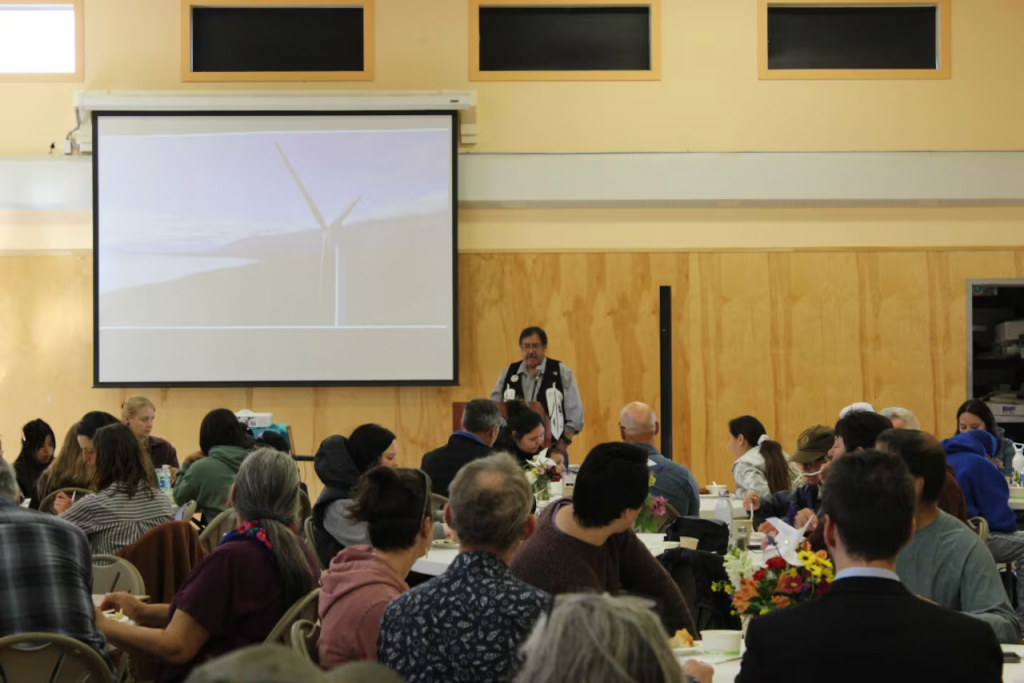
Kluane First Nation celebrated the turbine on Friday with a community lunch and an Amazing Race-style competition which culminated below the huge machine near the shore of Kluane Lake.
Gùdia Mary Jane Johnson, a Kluane First Nation citizen and elder in her community, won the competition. She told CBC News that to have so much wind power that the diesel generator in Destruction Bay can power down, is “just amazing.”
Alyce Johnson, another elder, said the turbine means her community is advancing in terms of technology – and using both Western and Indigenous knowledge to do it.
“It’s important to us to teach our children how to utilize the resources to sustain our nations and the nations of people who come into our country,” she said. “All of the natural resources that we have today are respected.”
Standing below the turbine Friday, Johnson acknowledged the strong force of the wind that she braced against.
“The winds have blown through time, they’ve blown today to remind us that we do have that power … the power of energy.”
Related stories from around the North:
Canada: N.W.T. gov’t tells power companies to plan to increase use of renewable energy, CBC News