Involving community members key to sharing research across N.W.T., advocates say
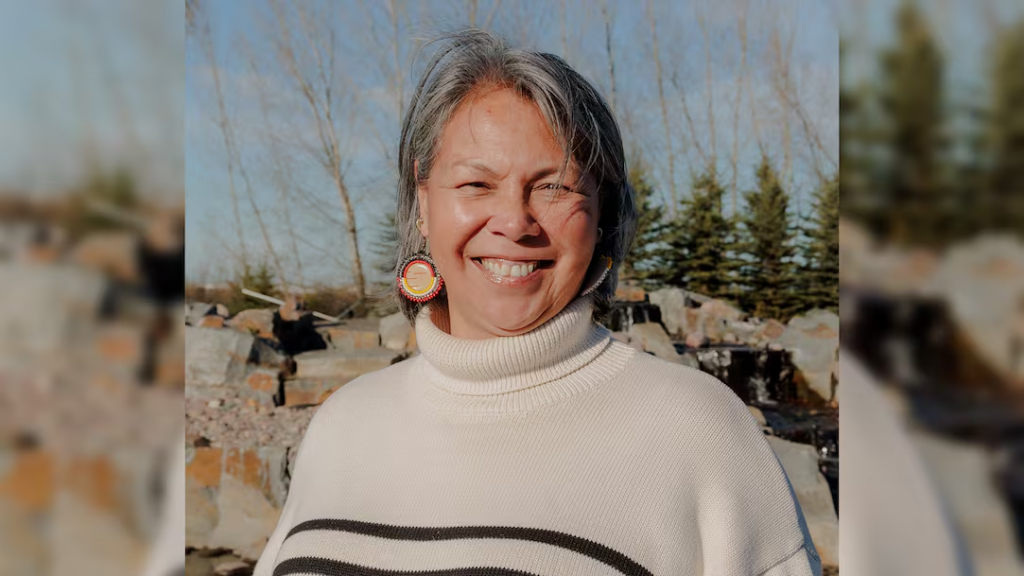
Lila Fraser Erasmus says ‘kitchen table talks’ and translations are key to sharing research across the N.W.T.
Lila Fraser Erasmus says researchers often face hurdles when securing funds to run studies in traditional ways and translate findings for Northwest Territories communities.
Fraser Erasmus, the owner of the consulting firm Bows and Arrows, recently participated as a cultural adviser in a study looking at berry patterns across the territory.
While an increasing number of Indigenous people are bringing traditional knowledge into academia, rigid funding models haven’t kept pace, researchers and research participants in the North say. Fraser Erasmus says that there is little support for delivering research results to communities in ways that meet their needs.
She described the berry project as “really beautiful” because it brought together berry harvesters across the N.W.T.
“Being able to sit around the kitchen table, have some food and have some tea and then ask people, you know, what do you think about this?” she said.
But she added that non-Indigenous funders often prioritize surveys and ballots over community gatherings.
“We are constantly having to convince people that this is more effective for us,” she said.
Laurie-Ann Lines, a researcher with the Institute for Circumpolar Health Research, said more Indigenous people are entering academic research and incorporating traditional practices.
Lines, who is a member of the Yellowknives Dene First Nation, says Indigenous researchers often heavily prioritize community-based research.
While funders are increasingly reaching out to see how they can better support Indigenous research in the North, the system requires more changes, Lines said.
“Unfortunately, there needs to be some catching up of grants or the system, so that way it really supports the research that is being conducted in communities,” she said.
Especially when funding application guidelines create barriers for traditional knowledge holders, she added.
“The elders are key to how we do research because they have so much wisdom and knowledge,” Lines said. “In different funding calls, sometimes there’s things that make it more difficult to include elders and knowledge holders as principal investigators or co-investigators on research applications.”
Research informs necessary health information
Every year, Heidi Swanson, a biology professor at Wilfrid Laurier University, and her team study lakes chosen by local Indigenous communities to understand which fish have lower mercury levels.
The project is in collaboration with the Dehcho Aboriginal Aquatic Resources and Oceans Management.
When information about the level of contaminants in some traditional foods is not communicated properly, it can scare people off those foods, she said.
“If they’re scared of all their traditional foods, and then we’re facing these crazy high costs in the grocery store, especially in the communities, people might switch to foods that are less healthy,” she said.
The findings of her research are shared with the territorial government who use the data to issue official health and consumption advice.
Swanson also works directly with communities to explain why mercury levels vary. She shares this information through plain language posters and direct outreach. She said this ensures people can make informed decisions about where to get their fish, which is critical to nutritional and cultural well-being of many in the territory.
Adapting funding to northern realities
Swanson said she is grateful for the multiple funding streams but added that rigid grant requirements rarely account for the logistical realities of working in the North or the financial cost of communicating results back to communities.
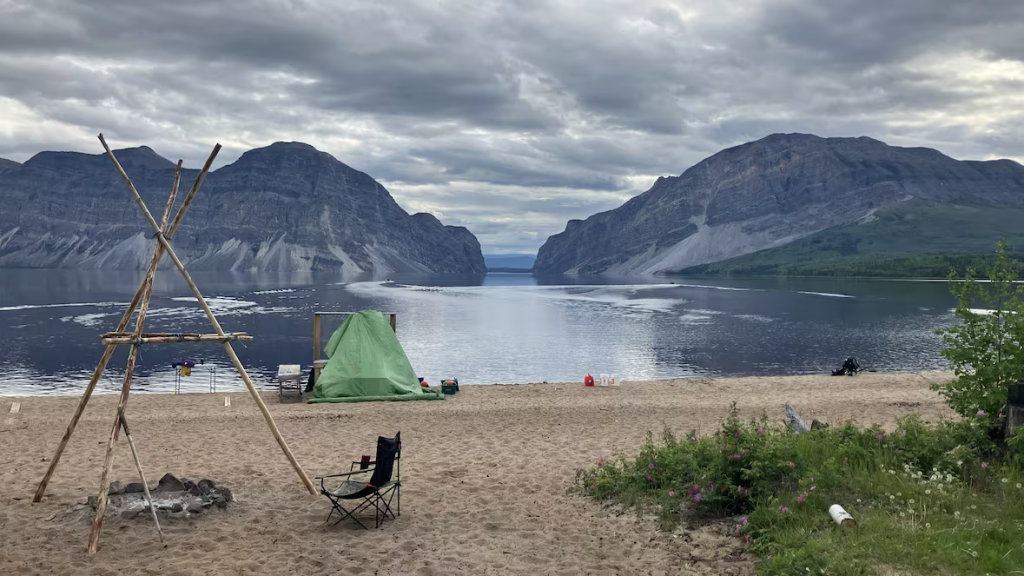
She noted that every community has different needs and ways that communication works best. Some prefer kitchen table talks while others find conversations during a camp more helpful.
Swanson said that researchers have a duty to share their projects in ways that actually work for communities, whether that is through community events, meeting people where they are at or translating the findings into Indigenous languages.
She said doing so can be expensive, which is why grant agencies need to offer funding without rigid guidelines.
Related stories from around the North:
Canada: VIDEO-How indigenous knowledge is changing what we know about the Arctic, Eye on the Arctic
United States: Indigenous wildfire knowledge to be key part of new Arctic Council project, Eye on the Arctic