Canadian military surveys Arctic airstrips, infrastructure in Operation NANOOK exercise
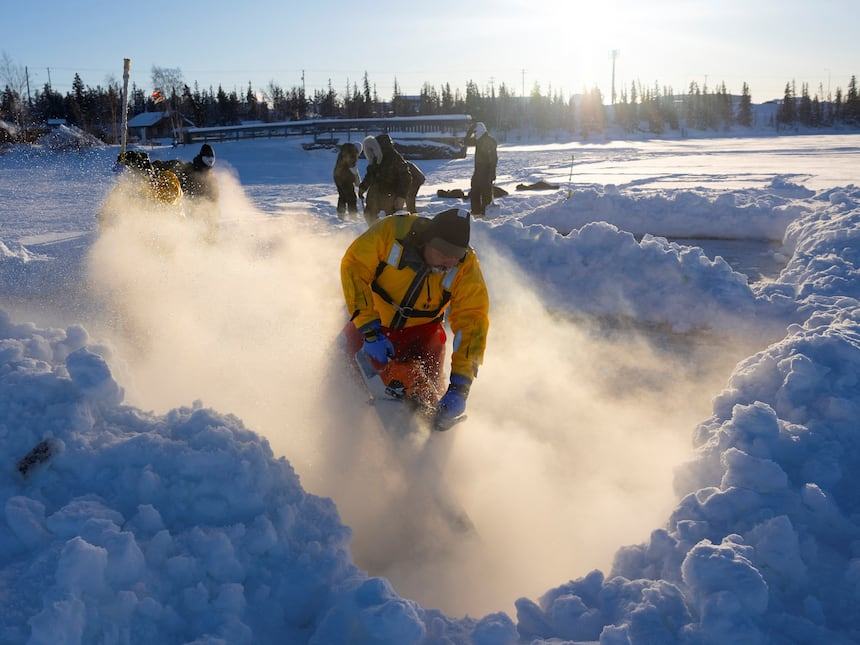
Canada has launched Operation NANOOK-QIMAAVIVUT, an Arctic defence exercise designed to test the military’s ability to move people and equipment around the North while surveying landing fields and other infrastructure.
“These assessments help the CAF plan safe and effective operations in the North and support Canadians during emergencies,” Canadian Joint Operations Command said in an email.
“They also guide discussions with partner agencies, territorial governments, and local First Nations and Inuit communities on targeted infrastructure improvements that strengthen northern transportation networks.”
The exercise will focus on Resolute Bay, Nunavut, airfields across the Arctic and sites along the Labrador coast, where military engineers will gather information to help plan future operations.
Rapid response, minimizing community burden
Canada’s Arctic is sparsely populated, with most communities having only a few hundred residents and limited infrastructure.
That’s why military engineers need to evaluate whether small community airstrips can accommodate everything from the CC-130 Hercules, a medium transport aircraft that can land on shorter, less-developed runways, to the much larger CC-177 Globemaster III heavy-lift aircraft.
They also evaluate whether local cargo-handling equipment is available, how summer and winter freeze-thaw cycles affect runway stability and what maintenance and refuelling support is available.
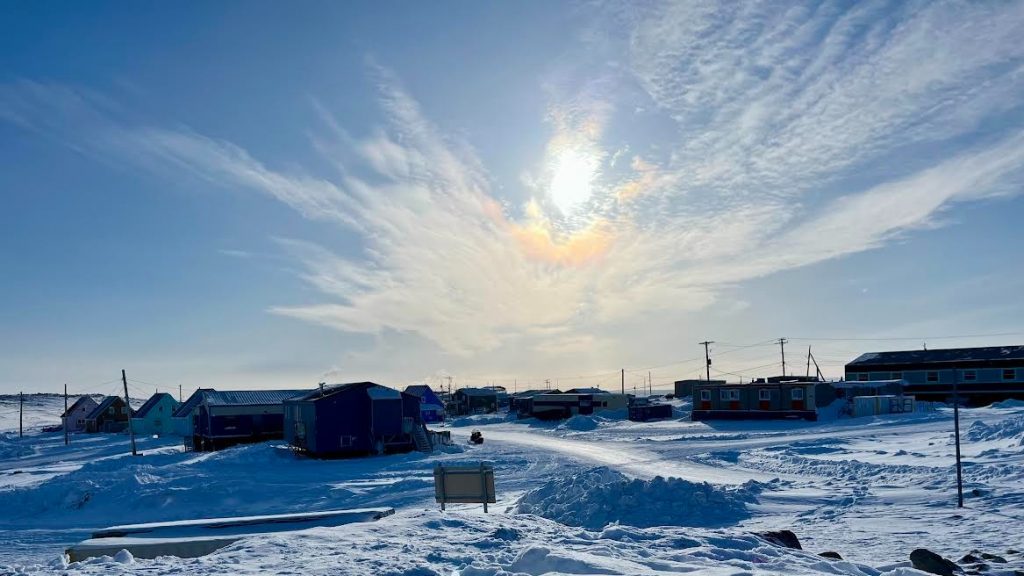
Coordination with First Nations and Inuit communities is especially important to avoid burdening small communities while search-and-rescue, or disaster response is taking place, Joint Operations Command said.
“In remote northern communities, where fuel, supplies, and infrastructure are scarce, the CAF must have a clear picture of what is available before deploying,” it said.
“These assessments help the CAF plan operations that bring the right tools to the right places at the right time, and allow personnel to withdraw once the situation is resolved—without exhausting community resources.”
‘New safety and security risks’
Operation NANOOK began in 2007 as a single annual northern exercise in response to growing international interest in the Arctic and increased accessibility caused by climate change.
“These factors are expected to lead to increased commercial activity, research, and tourism in and around Canada’s northern region,” the government says on its National Defence website about the operation.
“The increase in traffic brings new safety and security risks. Canada must be ready to respond to search-and-rescue missions, as well as natural disasters.”
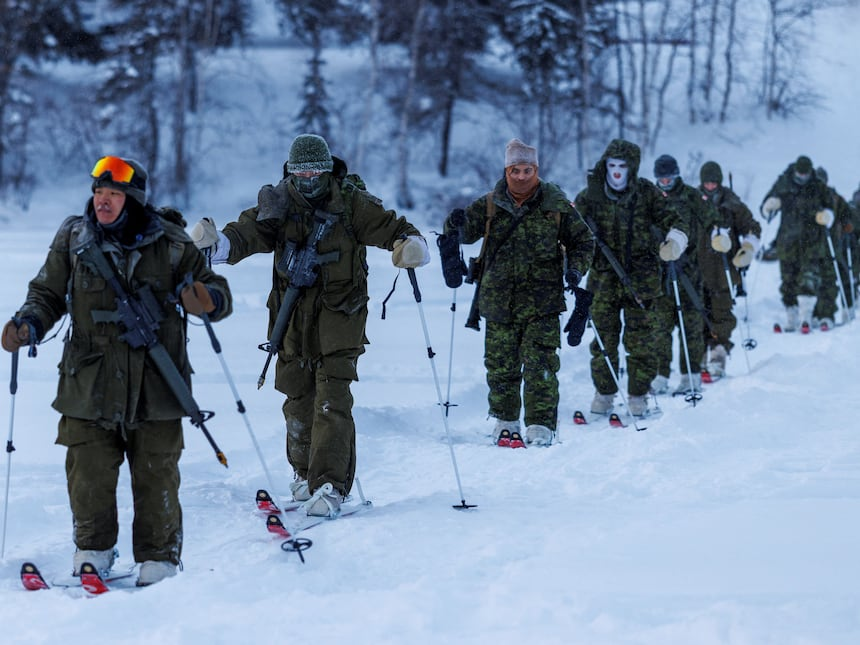
Since 2018, Operation NANOOK has expanded to multiple exercises each year, testing different parts of the military’s ability to operate in the Arctic.
Earlier this year, Operation NANOOK-NUNALIVUT took place from February to April, testing the military’s land and air operations across Yukon, the Northwest Territories, Nunavut, and parts of British Columbia, Alberta and Manitoba. About 1,300 personnel and more than 200 vehicles and other equipment were involved in the exercise.
Operation NANOOK-QIMAAVIVUT began at the end of July and runs until September.
Comments, tips or story ideas? Contact Eilís at eilis.quinn(at)cbc.ca
Related stories from around the North:
Canada: China’s Arctic involvement ‘highly exaggerated,’ Harvard researchers say, The Canadian Press
Denmark: Denmark to provide four F-35 fighter jets to NATO’s Arctic Sentry, Reuters
Finland: Greenland clash left a mark on EU-US relations says Finnish PM, Yle News
Greenland: New Italy Arctic policy adds U.S. Greenland ambitions to growing Arctic competition narrative, Eye on the Arctic
Iceland: NATO chief to Arctic Allies: “We’re all frontline states now,” as Iceland’s role grows, Eye on the Arctic
Norway: Europeans step up submarine hunting in the North, The Independent Barents Observer
Russia: Russia claims first-ever North Pole aerial refuelling, TASS reports, Reuters
Sweden: Swedish military intelligence on the great power rivalry over Greenland, Radio Sweden
United States: U.S. Coast Guard Operation Frontier Sentinel already underway when Chinese ships arrvied in Bering Sea, CBC News