Norway, church mark 200th anniversary of border treaty with Russia
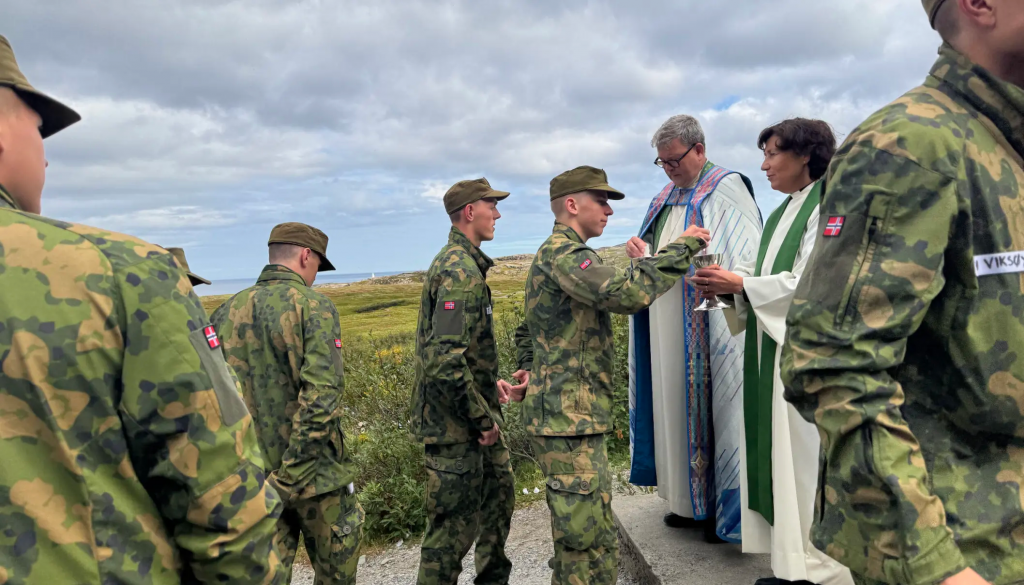
The Norwegian Armed Forces joined forces with the Church of Norway to mark the 200th anniversary of the border treaty with Russia.
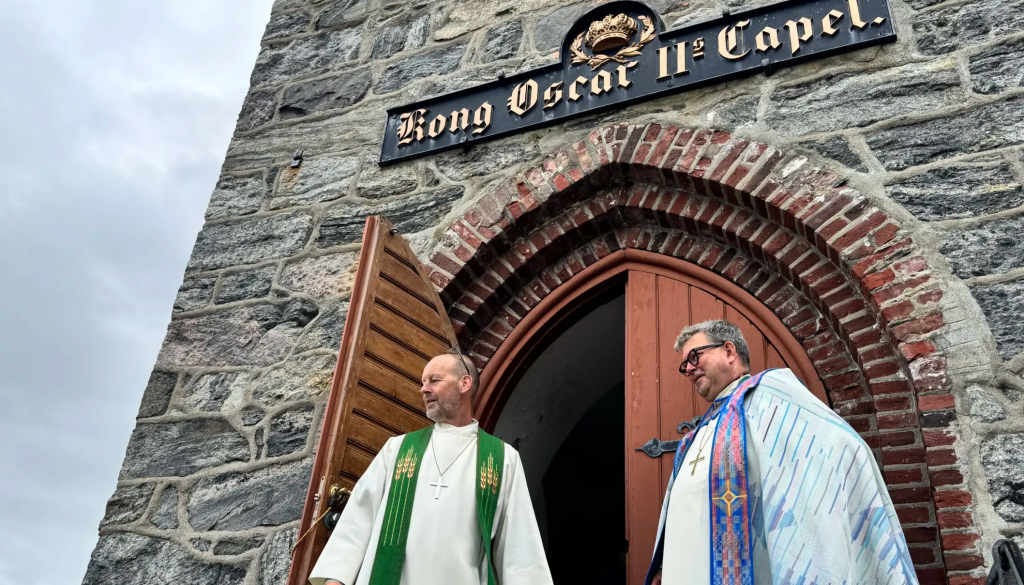
The small church in Grense Jakobselv was packed with people dressed in uniform and clerical clothing on Sunday.
In the modestly decorated room were senior figures from the Norwegian military and Church, as well as some of the conscript soldiers who guard the 198-kilometre-long border.
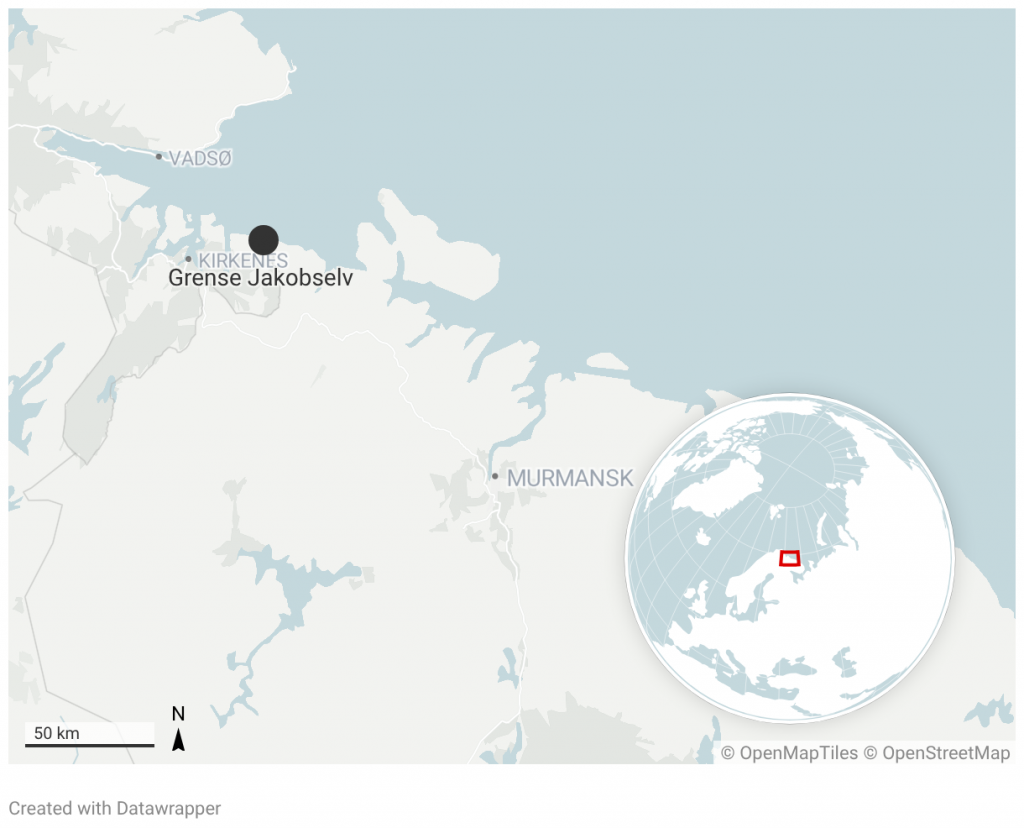
The occasion was the 200th anniversary of the Norwegian-Russian border treaty, and the site was a church built as a cultural and spiritual border marker towards the Russian Empire.
Historically, church and state have closely collaborated in this remote border region. When the border was delineated in 1826, the Russian negotiators insisted that a small piece of land located on the western side of the Pasvik River be part of Russia because of a 16th-century Orthodox chapel.
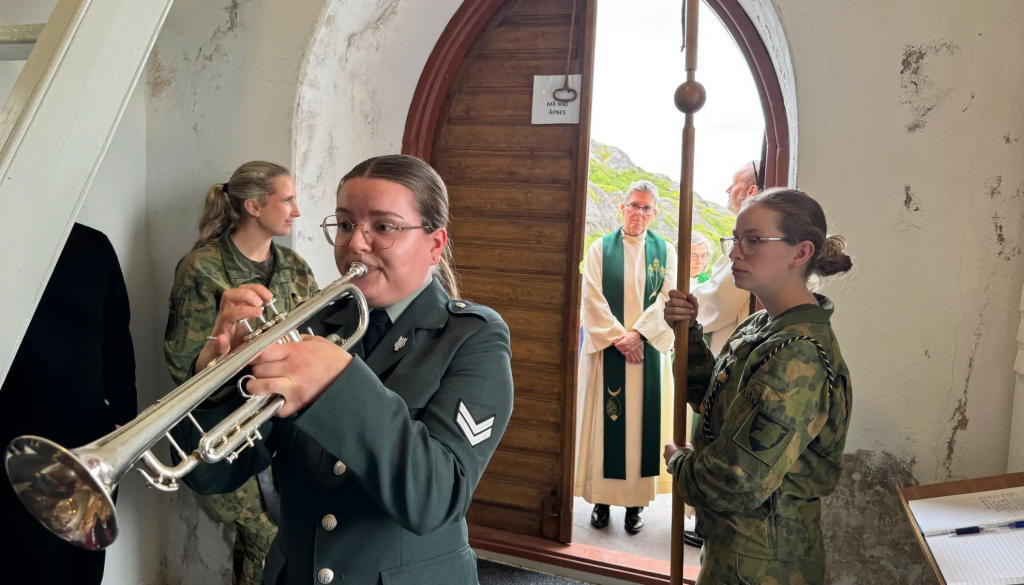
Forty years later, when the Norwegians grappled with a mounting number of local Russian border violations in the Grense Jakobselv area, it was decided to build a church on the site. The building was erected in 1869 and soon named King Oscar II Chapel after a visit by the Swedish monarch.
The stone church in Grense Jakobselv is built on solid rock. It has withstood periods of conflict and war and has staunchly served as a Norwegian border monument against expansionist regimes and dictatorial rule.
On this Sunday, the chapel again served as a symbolic marker towards an antagonistic regime.
The event took place as Russia’s war of aggression against Ukraine drags on for more than four and a half years.
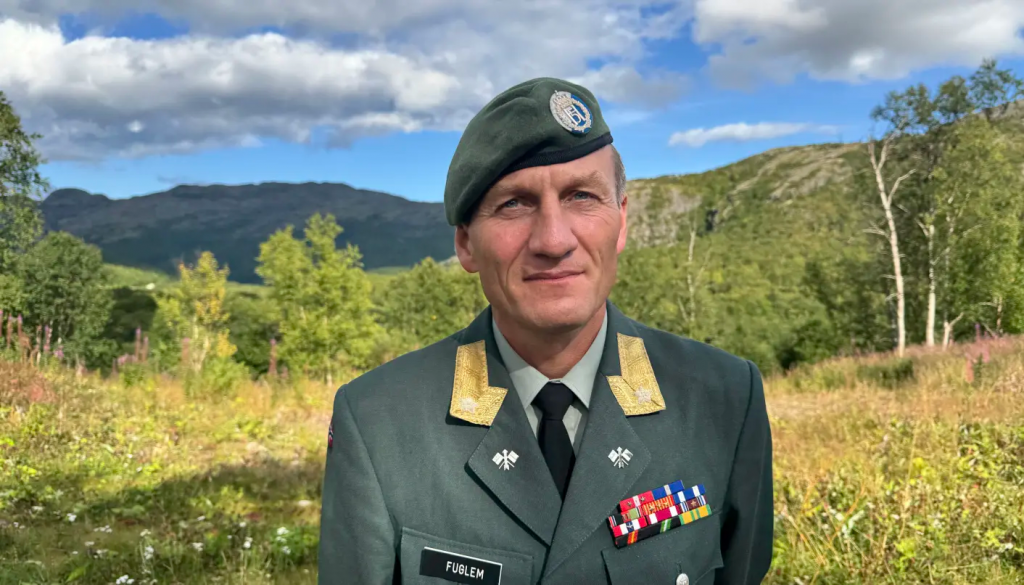
According to John Olav Fuglem, leader of the Finnmark Brigade, the border with Russia is well protected and has a special significance.
“For us in the Armed Forces, the border is sacred. We patrol it every single day, all year round. And we guard it as if it were the most precious thing we have,” the brigadier said in an address.
Knowledge about the history of relations is of crucial importance, he emphasised.
“Relations between Norway and Russia have gone through very different periods. There have been times of close cooperation and good neighbourly relations, but also times of estrangement and serious disagreements. As we now mark 200 years since the border agreement, we are therefore also highlighting the importance of understanding our history and culture.”
“Today, relations between Norway and Russia are challenging. That does not make history any less important—quite the contrary. For when times become difficult, knowledge, respect, and understanding become even more important,” Fuglem highlighted.
According to the brigadier, who is currently in the process of building the new Finnmark Brigade, there is a high level of calm along the border.
“I would describe the situation as calm. I usually say that the threat level is low, but tensions are high. It is, after all, the calmest stretch of the Russian border. We will help to ensure that this remains the case,” he said in an interview with the Barents Observer.
He explained that he has a respectful relationship with the Russian military.
“When we meet our Russian colleagues along the border or in official meetings, we do so with respect and an understanding of the mission we share, while at the same time being very clear about our position.”
The event in Grense Jakobselv was organised in cooperation with the Church of Norway.
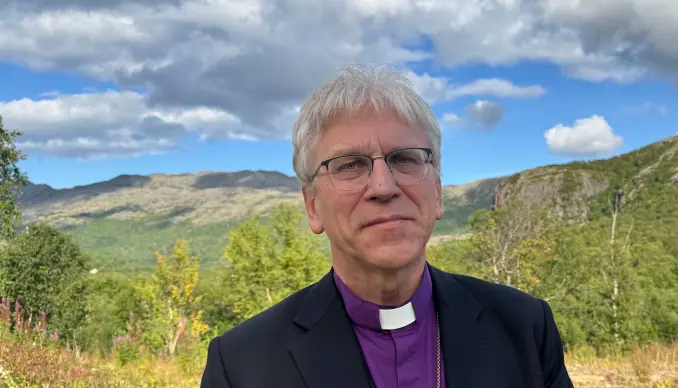
The Church was represented by Presiding Bishop Olav Fykse Tveit and Bishop of Nord-Hålogaland, Stig Lægdene.
Bishop Tveit condemned the current militarisation of the Russian Church.
“We simply have to condemn their use of warlike rhetoric. That is not the Church’s role. […] We must say clearly that this is not a Christian way to behave.”
“There is no such thing as a ‘holy war’,” he emphasised.
Before being appointed Presiding Bishop, Fykse Tveit headed the World Council of Churches, a major international ecumenical organisation.
Despite its major involvement in the war of aggression against Ukraine, the Russian Orthodox Church has not been expelled from the organisation.
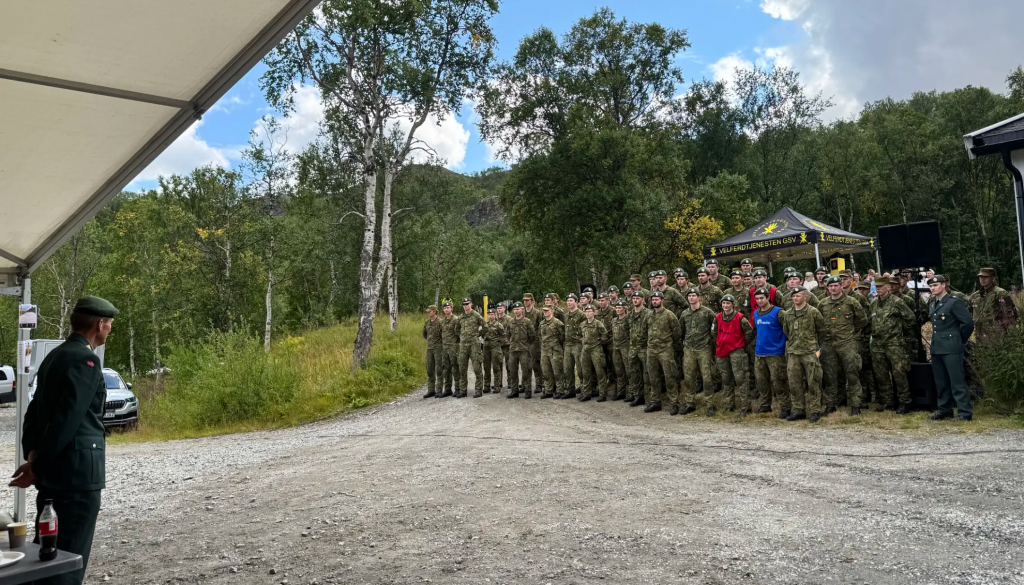
According to Fykse Tveit, it is important to keep a relationship with the Russians.
“We must maintain these contacts even though it is difficult. Not to legitimise them, but to say that we will, after all, have to live together as people after this.”
The church service in Grense Jakobselv took place only a few days after the Russian Orthodox Church organised a service in Borisoglebsk, the pen-exclave by the Pasvik River. In that service, Metropolitan of Murmansk Mitrofan praised Russian soldiers fighting in Ukraine.
“We have God on our side, and victory will be ours. Let’s keep our splendid soldiers in our prayers,” the Russian prelate said.
Related stories from around the North:
Canada: Canadian Inuit leader stresses unity across Arctic borders amid pressures on Greenland, Eye on the Arctic
Finland: New rail link reconnects Finland and Sweden in North, Yle News
Norway: Russian soldier crosses into Arctic Norway after defecting from Ukraine war, The Independent Barents Observer
Russia: Barentsburg—Experiencing the Russian Arctic without entering Russia, Blog by Mia Bennett