They’re two of the biggest proposed mining projects in the Yukon. How will they be powered?
Diesel, liquefied natural gas, and solar among all the options being discussed
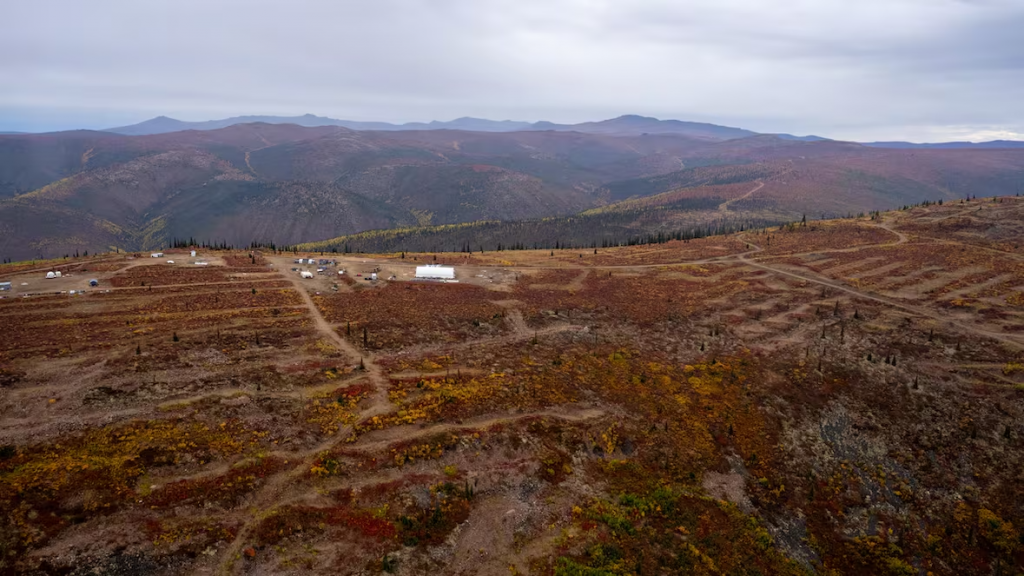
Two of the biggest proposed mining projects in the Yukon plan on generating their own power.
One of them is also hoping to plug into the territory’s power grid in the distant future, if things go according to plan.
While the territory’s grid is currently strained, the proposed Yukon-B.C. Grid Connect project would increase its capacity.
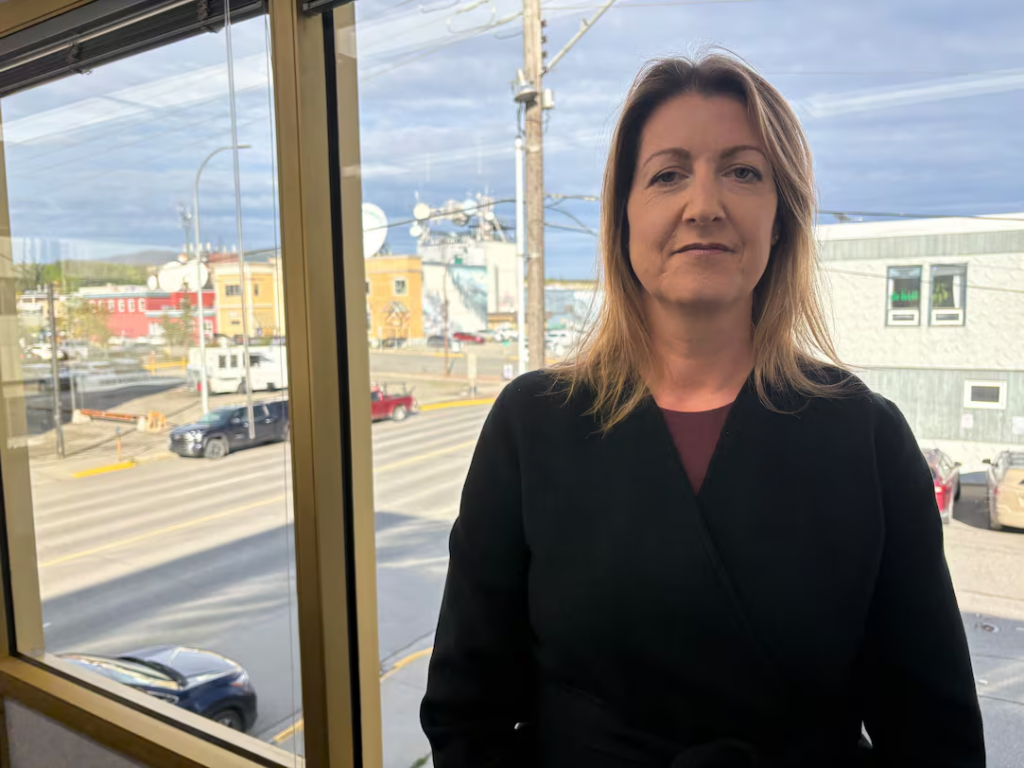
“In the future, if there is the ability to connect to the Yukon grid and there’s a surplus of power for us to buy, we’d be really looking to pursue that,” says Shena Shaw, vice-president of environment and community affairs with Western Copper and Gold (WCG), which owns the Casino Mining Corporation.
But while the Yukon-B.C. Grid Connect is one of five energy interties the federal government said it is prioritizing, WCG is still being cautious.
“There’s the potential for stars to align and our projects to come to fruition along a similar timeline,” Shaw said. “But … we can’t point to some potential future option. We have to be able to demonstrate that we could build and operate this as a whole entity. That’s what’s considered and evaluated under the environmental assessment.”
The plan for now is for Casino to have a dedicated liquefied natural gas (LNG) plant on-site to power the mine.
The Coffee Gold mine is also set to be powered by LNG, but says its system will also include diesel, solar power, and a battery storage system.
Wait, what about emissions?
Roughly a million tonnes of carbon dioxide are expected to be emitted into the atmosphere as a result of the burning of fossil fuels at the Coffee project over its 11 operating years.
That translates to 91,900 tonnes a year.
Next door at the Casino project, roughly 16,310 tonnes of greenhouse gases will be emitted a year if the mine were to open.
In 2023, the latest year of published information, the entire terriotry emitted 732,900 tonnes of carbon dioxide. Almost half of that came from transportation, and mining contributed about 15 per cent of that total.
When asked what they’re doing to offset emissions, both WCG and Talamore Mining, the company that owns the Coffee Gold project, focused on reducing emissions at the source.
Casino is working to improve the efficiency of its trucks and even possibly connecting them to a system of overhead cables similar to bus networks in many major cities. Coffee is looking at the use of a larger solar array. The currently-approved arrays will power the two camps at the Coffee site and will provide a combined 1.075 MW of power.
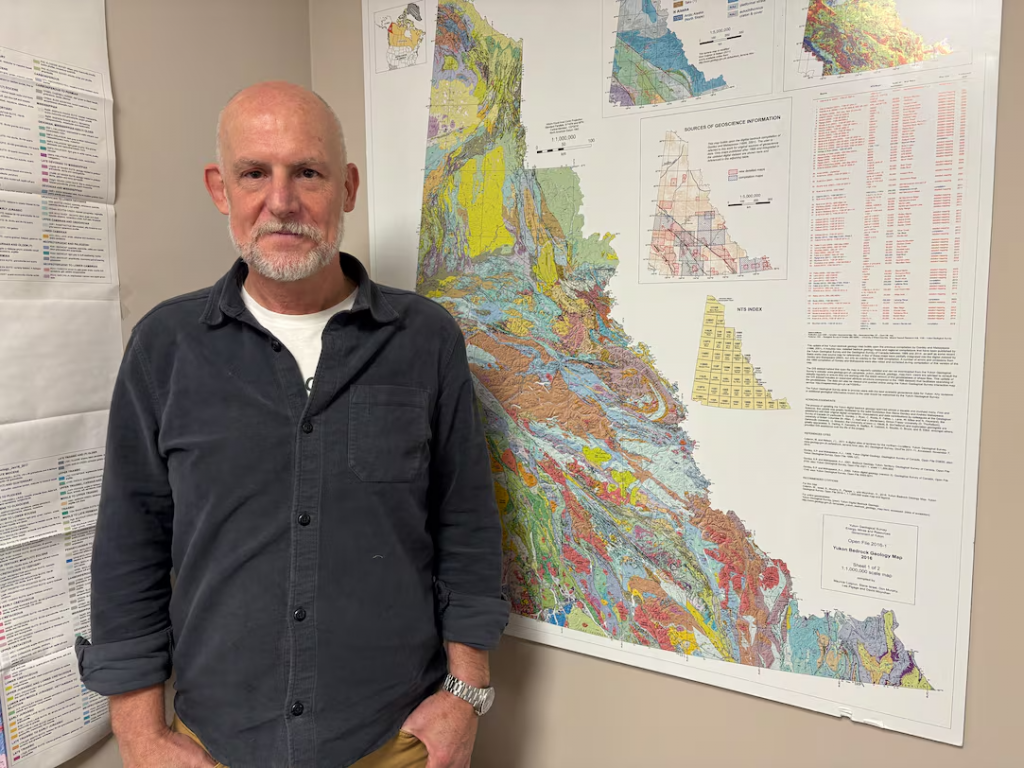
“We’ll continue to look at adding as much solar as we can because, obviously, it’s fairly inexpensive,” said Tim Warman, CEO of Talamore Mining. “From a pure economic point of view, it’s a great option.”
But the mine will also still need diesel, says Warman.
“You don’t really have access by roads,” he says of the spring and fall seasons. “So, you can’t store enough LNG at site to get you through those periods.”
Both companies also told CBC News they anticipate having to pay the industrial carbon tax.
The Coffee project is still awaiting its quartz mining licence, as well as its water licence. Warman says they hope to receive them by March next year.
Casino is still in the early stages of the panel review process with the Yukon Environmental and Socio-economic Assessment Board.
Related stories from around the North:
Canada: N.W.T. utilities board looking at how much renewable energy territory’s systems can handle, CBC News
Finland: Electricity to get more expensive in the north due to new Sweden-Finland powerline, Radio Sweden
Greenland: Report confirms heat records in Europe and Arctic, but war-fuelled energy crisis boosts renewables and embattled climate, Ice-Blog
Sweden: Foreign power may strike Nordics’ electricity grid ‘in the near future’, Sweden’s TV4 reports, Yle News