
Yukon government struggling to keep rural health centres open
No nurse on site 214 days across the Yukon’s community health centres over past year
The Yukon’s rural health centres continue to struggle with temporary closures and disruptions.
This week, the territory’s health department verified the number of interruptions to its community health centres over the past year.
According to CBC’s analysis of the data provided by the department, between August 2025 and August 2026 the territory’s rural health centres saw a total of 214 days when there were no nursing services available.
That tally doesn’t totally reflect the latest partial closure at the Beaver Creek health centre from July 2 to Oct. 30. It also leaves out “reduced services” at the Carcross health centre from Sept. 16 to Oct. 14.
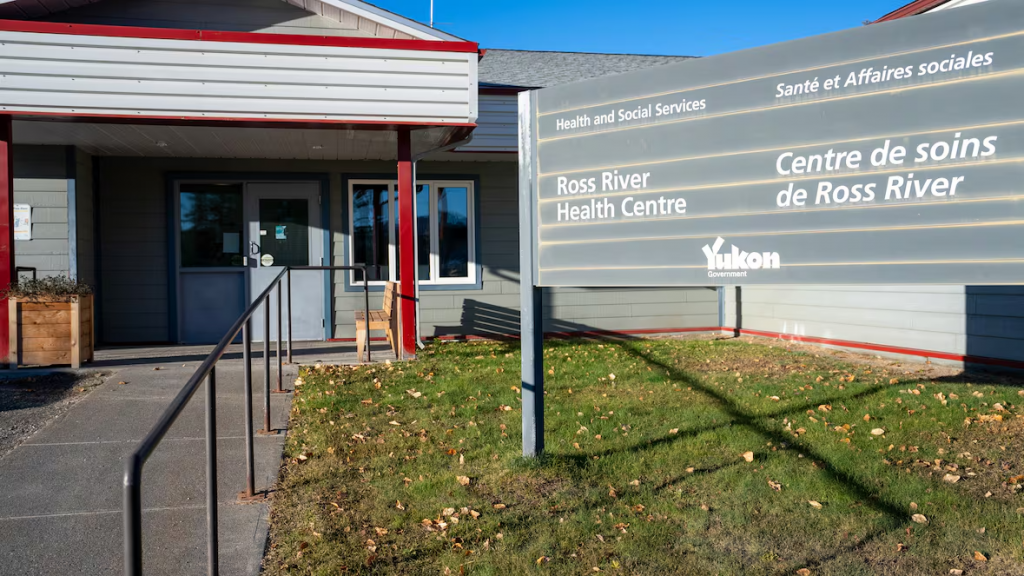
Furthermore, Faro is seeing a temporary closure from Sept. 25 to Oct. 2, Ross River from Sept. 4 to Sept 30, and Teslin from Sept. 23 to Oct. 14.
As the Official Opposition, the Yukon Party previously railed against the former Liberal government for its failure to keep health centres open for prolonged periods of time. During last year’s election campaign, Currie Dixon, now the premier, vowed that his party was “going to change this.”
Lack of community nurses goes on
Beaver Creek’s health centre saw the most days of closure or reduced service over the past year, at 82.
Pelly Crossing and Destruction Bay have also seen significant disruptions.
The problem is marked by a lack of nurses available to work at the rural health centres. It’s been a chronic issue for the community centres which aren’t regularly staffed by physicians.
According to the health department, some services are still available during some health centre closures.
The department said in a statement that depending on the community, emergency services were still available, administrative staff could help with medical travel and bookings, and doctor clinics went on.
Health Minister Brad Cathers wasn’t available for an interview.
The health department said the model of community care is under review.
The government also said it’s continually looking for ways to recruit and keep nurses working in the territory, and expanding licensing pathways for qualified health professionals. It’s also “evaluating opportunities” for a more sustainable health-care system in communities.
National nurses association hears some frustration
Valerie Grdisa, CEO of the Canadian Nurses Association, travelled to the Yukon at the end of June and she spoke with dozens of nurses at Whitehorse General Hospital and also met with the health centre team in Carcross.
Grdisa said she heard about pride and innovation in the workplace, as well as frustrations around the ability to retain nurses who want to live and provide care in the communities.
Grdisa said nurses aren’t regularly considering the ability to get licensed and be registered in multiple jurisdictions. She added that there’s actually a rather large workforce in the country, with 518,000 registered or regulated nurses in Canada.
“I think we could do a better job in providing opportunities for people to be more mobile,” she said.
Grdisa also suggested health centres look to hire closer to home.
“I think the homegrown workforce pathways are the way to go, so investing in youth engagement,” she said. “We’re talking in the middle schools and high schools, and then having local education programs and apprenticeships and return-of-service agreements.”
Related stories from around the North:
Canada: Experts say virtual health care could fill gaps in the Dehcho. Some residents aren’t so sure, Radio-Canada
Finland: Brakes on Lapland health cuts a win for Arctic communities, says Sami Parliament, Eye on the Arctic
United States: Senators, including Alaska’s, sound alarm on cuts impacting Indigenous health care agency, Eye on the Arctic