Iqaluit Pan-Arctic Vision celebrates diversity, community and coming home to your cat
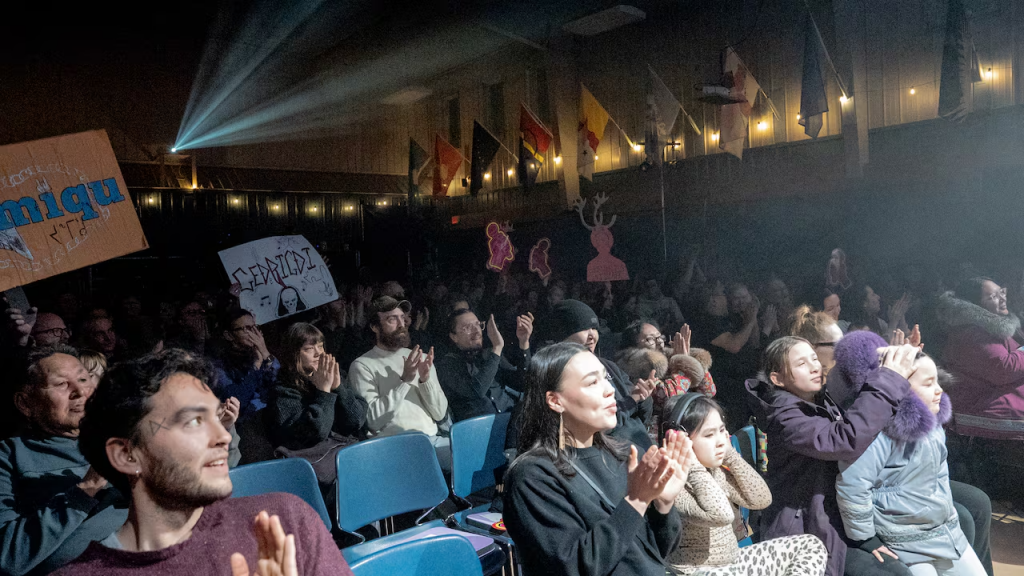
The music festival wrapped in Iqaluit Saturday
After a week of music with messages ranging from fighting for justice to the feeling of coming home, the curtain has fallen on Pan-Arctic Vision 2025 in Iqaluit.
The Eurovision-esque music festival is an international competition that brings together musicians from across the Arctic — previously described by one organizer as a festival for people who eat a lot of fish.
It was started in 2023 in Vadsø, Norway, moving next to Kalaallit Nunaat, or Greenland. This 2025 iteration in Iqaluit was the first time the festival was hosted in North America.
Nine artists performed at the festival, which ended Saturday. Artists and audience members say to hear and share the range of cultures and languages and art was a special thing.
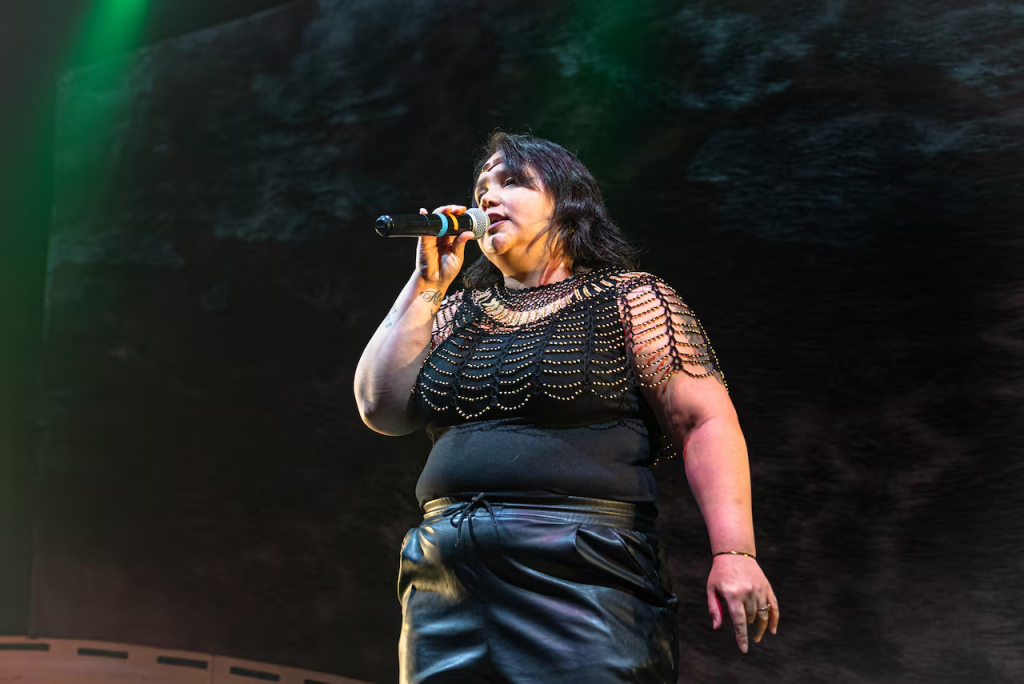
“I got goosebumps all over,” said festival goer Rannva Erlingstottir Simonsen. Erlingstottir Simonsen is from Faroe Islands, where Pan-Arctic Vision will take place in 2026.
She said the Iqaluit festival is the first time an artist from Faroe Islands has taken the stage, as far as she knows.
“It’s a crazy amazing dream come true,” she said.
Icelandic rock band Geðbrigði took home the award for most revolutionary song.
The band’s bass player Ásthildur Emma Ingileifardóttir said the song is about how religion isn’t always virtuous and weaves in themes of equality for women, queer and trans people.
She wants people to know they can stand up for what’s right.
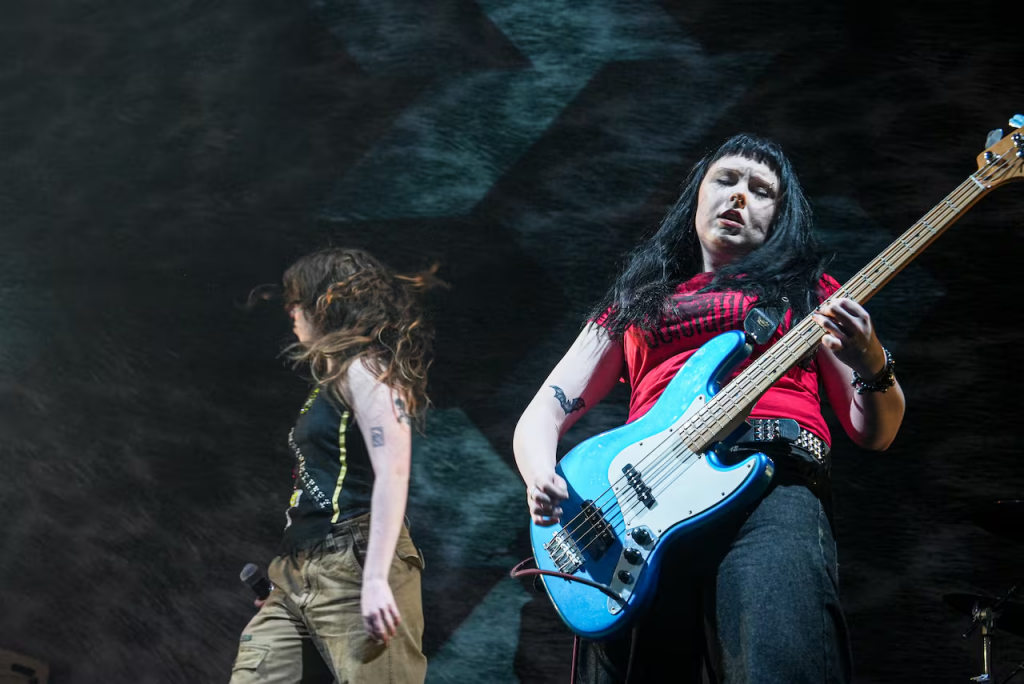
“Be loud and vocal about things that are unfair in life. Stand up for the right thing and fight for the good in the world,” she said.
Linus Johnsen, part of a Sami duo with drummer Eirik Hagcvedt, won the award for a yoik — a traditional form Sami of song — about community and togetherness for a tune about what it’s like to return home after a trip, especially to a city.
“When I get back, I get to pet my cat [Trina] and meet my family. So a lot of those feelings are also put into the yoik,” Johnson said.
He wrote the yoik in the endangered Sapmi language.
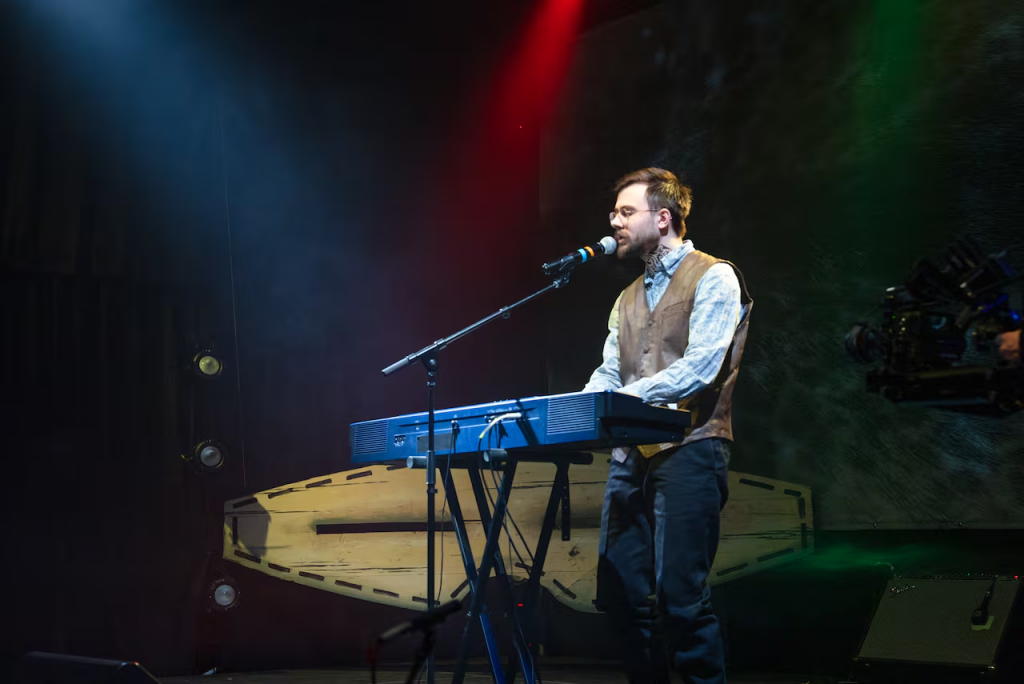
“I think it brings a sense of community to have a have the music in our own language,” he said. “Language brings up identity and identity brings community and togetherness and all that.”
Johnsen said he’s had a blast at the festival and enjoyed being in Iqaluit.
“We have been in such a jolly mood like the silly goose.”
With files from Bianca Mckeown
Related stories from around the North:
Canada: Short NFB film tells story of trailblazing Inuk teacher in Labrador, Eye on the Arctic
Finland: Sami joik, symphonic music fusion from Finland makes int’l debut in Ottawa, Eye on the Arctic
Norway: Sami-led project seeks to revitalize Indigenous education across Europe, Eye on the Arctic
Sweden: Award-winning novel set in Sapmi to get Netflix treatment, Eye on the Arctic
United States: How Inuit culture helped unlock power of classical score for Inupiaq violinist, Eye on the Arctic