There were 20,000 instances of medical travel in the N.W.T. last year, and officials say many were avoidable
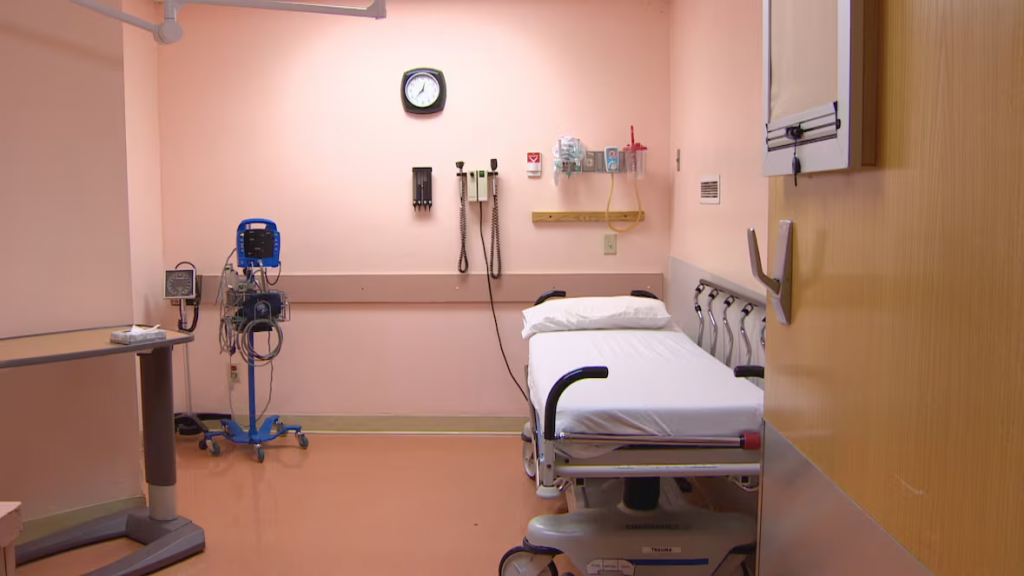
Public administrator spoke to MLAs at committee meeting Thursday on improving health care
Health officials in the N.W.T. say there were more than 20,000 instances of medical travel within and out of the territory last year, and say an analysis of 600 patient charts suggests that nearly a third could have been avoided.
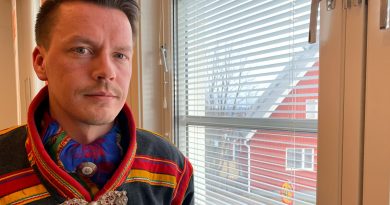
Dan Florizone, the public administrator for the N.W.T. Health and Social Services Authority (NTHSSA), receives feedback from regional wellness councils. He says officials reviewed hundreds of patient charts, and had experts look at them as well.
“The initial look was that 30 per cent of the trips, the medical travel that did take place, is avoidable,” he told a legislative committee on Thursday.
He said that if medical care is provided closer to home for some N.W.T. residents, it could prevent some medical transfers and the “overburden” of health services in Yellowknife. He said experts who analyzed the data developed a plan.
“That plan directly relates to avoiding those trips that are avoidable. So what it would look like is more care closer to home … care that’s culturally sensitive,” he said.
Florizone spoke at a public briefing before the legislature’s standing committee on social development on Thursday evening. The committee heard about ongoing work from the Healthcare System Sustainability Unit, which was established by the territory to review health services, improve care and find efficiencies, as well as from the health department and the NTHSSA.
One goal is to provide better health care in smaller communities, with more robust teams that include various health providers like nurse practitioners and physicians, as well as virtual care options.
Range Lake MLA Kieron Testart asked at the briefing how much money has been saved to date, and how any future improvements will be measured.
“It feels like we are in a position where we are preparing to make progress and that progress will be made at some point in the future — hopefully by the end of this government,” said Testart.
Florizone says the work is still in “early stages.”
“We’ve made some investments. So we’ve spent some money, what I would suggest is that the spending is an investment,” said Florizone.
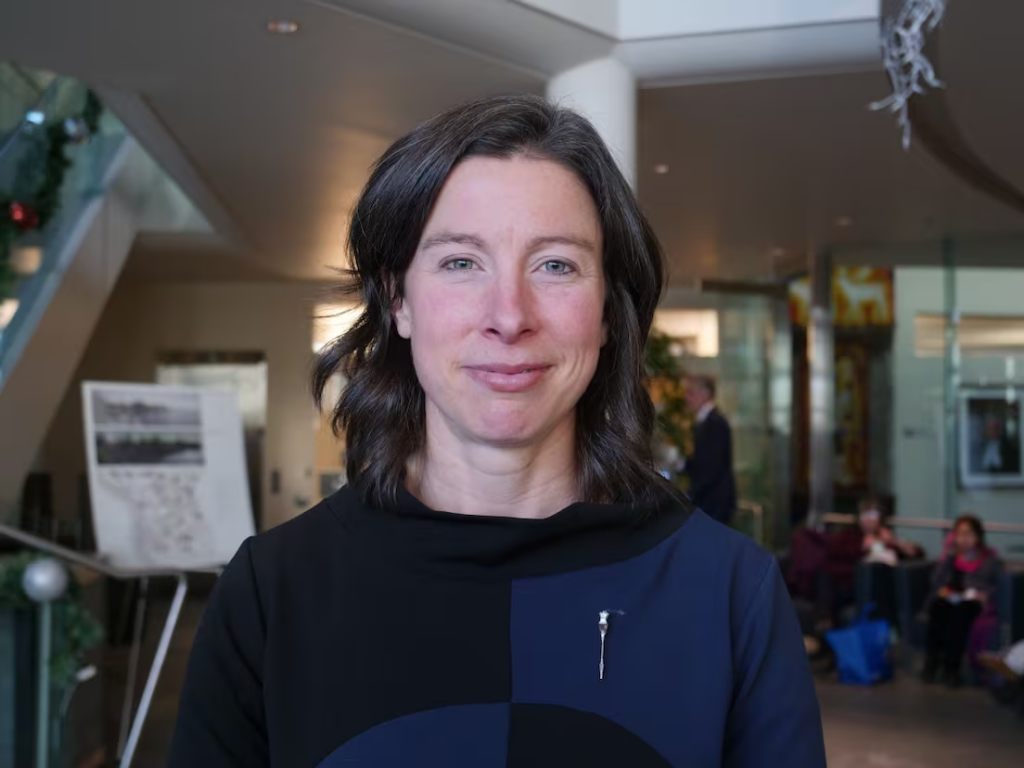
Officials talked about cutting medical travel costs with paramedics and licensed practical nurses stationed at N.W.T. health centres, and by investing in more infrastructure, equipment, training protocols, point of care testing, and virtual care.
Shauna Morgan, MLA for Yellowknife North, said two things stood out to her. That included nurse practitioners touring the Dehcho region and spending time training community health representatives, as well as creating a new standard for community care in the territory.
“If there’s sort of a revolving door of people coming in, maybe they need more local community health reps or home care workers or someone on the ground who can be that continuity and tie,” Morgan said.
“But what I’m saying is that the makeup of each team, or what’s realistic in each community, might actually be different in each community.”
Julian Morse, MLA for Frame Lake, said he wanted to hear more specifics from officials, about what’s being done to improve care.
“I think the difficulty I have here is, if I’m trying to communicate this to citizens, if it’s not tangible, it’s very hard for people to believe that something is changing when they go to call for a doctor,” Morse said.
Florizone said he recognized the complexities of explaining all the work being done across the health care system, but said their aim at the briefing was to show how it all will fit together.
Florizone described 12 overarching themes that he and the regional wellness councils are looking at, but highlighted three priorities: improving access to care, cultural safety and anti-racism, and changing the organizational culture through celebrating success and innovation.
Related stories from around the North:
Canada: N.W.T. health minister pressed on response to Indigenous health-care report, CBC News
Finland: Nearly 700 health and social services jobs at risk in Lapland and South Karelia, Yle News
United States: Senators, including Alaska’s, sound alarm on cuts impacting Indigenous health care agency, Eye on the Arctic