High lead levels found in drinking water at another 3 N.W.T. schools
Three more N.W.T. schools have been discovered to have elevated concentrations of lead in drinking water, amid ongoing testing of educational facilities across the territory.
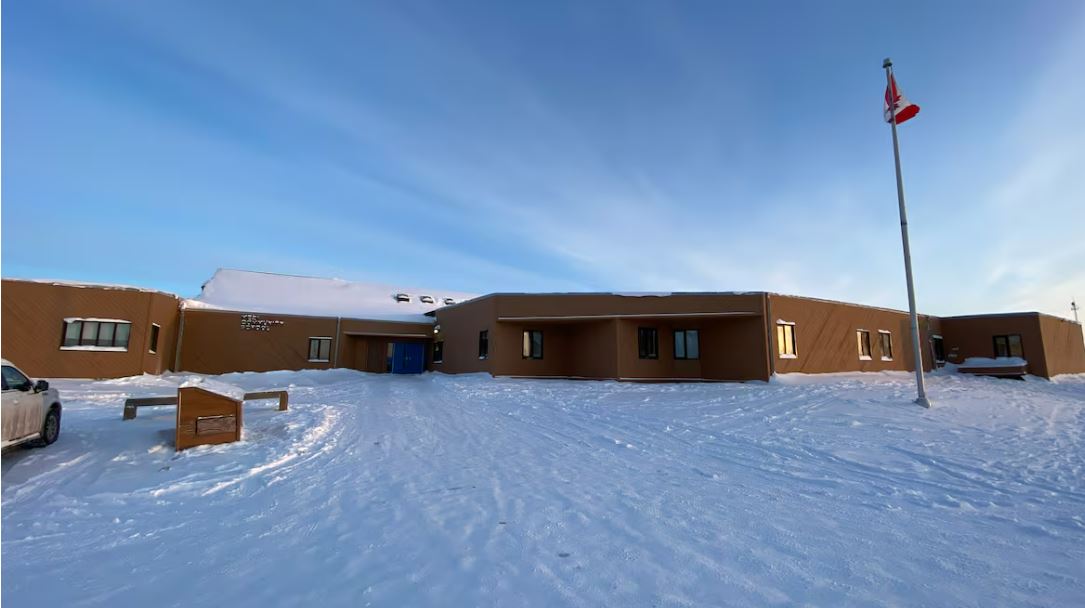
Deh Gah School in Fort Providence, Mezi Community School in Whatì and Jean Wetrade School in Gamètì all had multiple fixtures which testing showed produced water with concentrations of lead above safe maximums, according to a Thursday night release from the territorial government.
At Deh Gah School, one elementary classroom fixture produced lead concentrations more than four times acceptable levels.
Results from a science prep room at Mezi Community School produced concentrations nearly ten times safe maximums. Several fixtures also showed dangerously high levels of copper.
According to Health Canada, there is no known safe threshold for lead exposure. For children, risks include developmental problems, along with brain-related and nerve-related diseases.
As with other schools previously tested, the territorial government says the fixtures will be immediately decommissioned and remediated, and alternative water sources will be provided in the meantime.
2 schools cleared
In the same Thursday news release, the territory announced that two other schools had been found to have safe drinking water.
Kakisa School in Kakisa and École Įtłʼǫ̀ in Yellowknife were both found to have drinking water containing lead and copper below acceptable maximums.
The territory has been testing for lead in the drinking water at N.W.T. schools since October, following on earlier testing that revealed elevated lead levels at three Yellowknife schools.
The government has said plans to have all schools tested before the start of the 2026-2027 school year are on track.
Related stories from around the North:
Canada: High levels of lead detected in water at 2 Yellowknife schools, CBC News