Most fire investigations in Nunavut remain unsolved, amid years of turmoil at fire marshal’s office
Expert says winter weather freezing fire scenes can cause unique issues for fire investigators
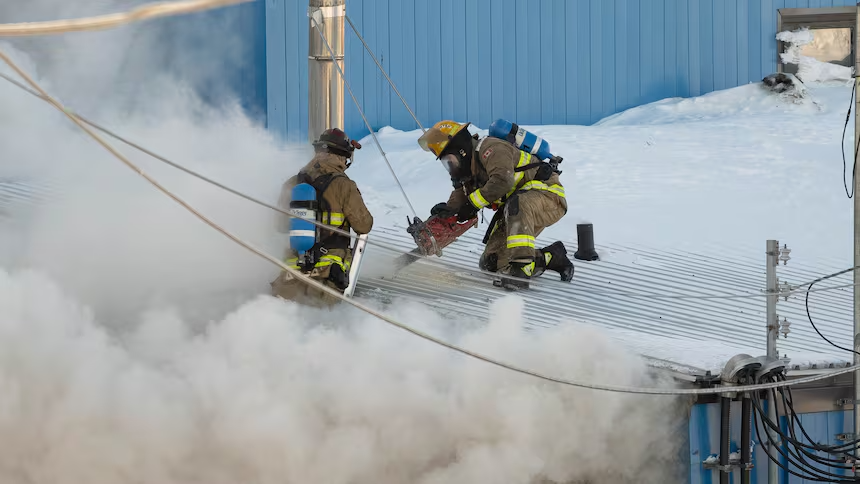
In recent years, the majority of fires investigated in Nunavut have been left without an official cause, as investigators face issues related to weather conditions at the fire scenes.
Meanwhile, internal turmoil at the level of the fire marshal’s office has presented challenges.
In 2024, there were 127 fires across the territory, 96 of them — three out of four — were classified as undetermined, which means there is “insufficient information” to determine the cause, according to the Nunavut fire marshal’s latest annual report.
Of the remaining fires, 26 were classified as accidental and five as arson.
“I almost guarantee those investigators have an inkling of what they think probably happened, but they didn’t have enough evidence to put pen to paper,” said Brad Sampson, owner of Alberta-based The Fire Investigations Company.
Sampson’s company carries out private fire investigations across the North, including in Nunavut, and says Arctic conditions make the work of finding evidence complicated.
“Winter time is significantly more difficult because during suppression the water freezes and then basically your whole scene is covered in thick ice and snow,” he said.
“To do a proper scene examination that needs to be heated and hoarded and melted so that you can actually sift through the debris to get to your origin area.”
Also, the majority of fire departments in Nunavut are run by volunteer firefighters with limited resources, which often leads to more severe damage to the buildings.
“[Often there may be] not enough physical evidence to actually collect it from scenes,” Sampson said. “A lot of these are just burnt to nothing, so you’re looking at metal and char left.”
Nunavut fire marshal’s office in turmoil
Meanwhile, a former Nunavut fire marshal claims problems at the fire marshal’s office have created their own set of issues.
Former fire marshal Tony Noakes said in a text to CBC the Nunavut government is “failing its citizens and the most vulnerable” when it comes to fire prevention and investigations, but he didn’t elaborate.
In 2010, Noakes, who had been Nunavut’s fire marshal for about a year at that point, voiced concerns the men’s jail wasn’t following the fire code. He was fired shortly after and initiated a lawsuit, which he later settled out of court.
Noakes said he signed an agreement as part of the settlement, which he said prevents him from disclosing any “sordid details” relating to the affair.
Since Noakes’ dismissal, the fire marshal’s office, which investigates the majority of fires in the territory, has been plagued by resignations and lawsuits.
In the past decade, Nunavut has gone through at least five fire marshals, according to the office’s annual reports. Former fire marshal Steve McGean only held the position for eight months in 2025.
Now McGean — like Noakes — says he’s suing the government over his removal.
Both McGean and the Nunavut government declined to comment further on the lawsuit.
A spokesperson for the current fire marshal declined CBC News’ interview request.
Related stories from around the North:
Canada:First Nations wildland fire fighters feeling sidelined while international help fights fires across country, CBC News
Finland: Wildfires continue to burn across Lapland, Yle News
Norway: Smoke from Canadian wildfires forecast to reach Norway, The Associated Press
Russia: New NOAA report finds vast Siberian wildfires linked to Arctic warming, The Associated Press
Sweden: High risk of wildfires in many parts of Sweden, including North, Radio Sweden
United States: Wildfires in Anchorage? Climate change sparks disaster fears, The Associated Press