First Nations wildland fire fighters feeling sidelined while international help fights fires across country
‘We see these international crews coming in while our resources are sitting here, it’s really frustrating’
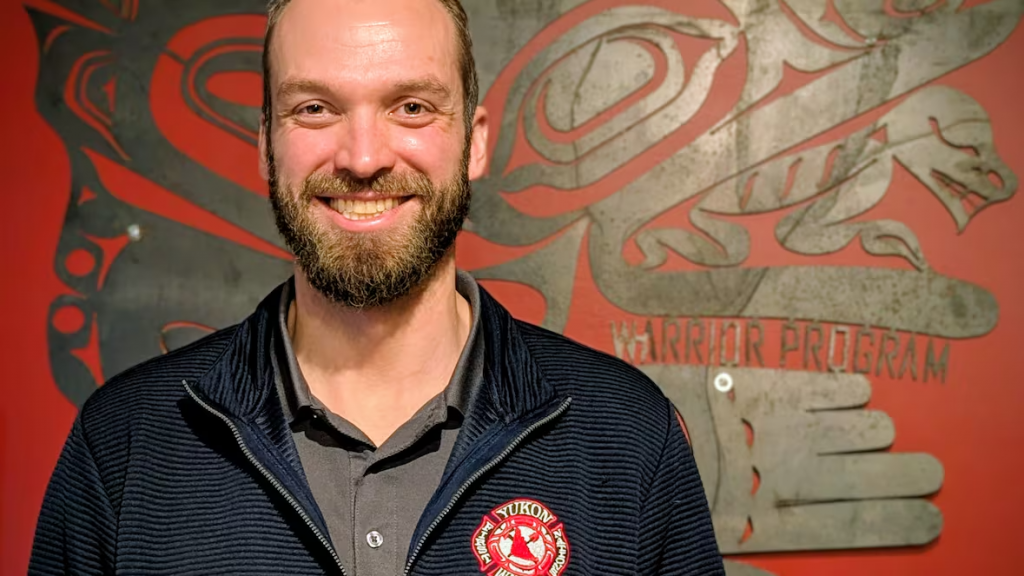
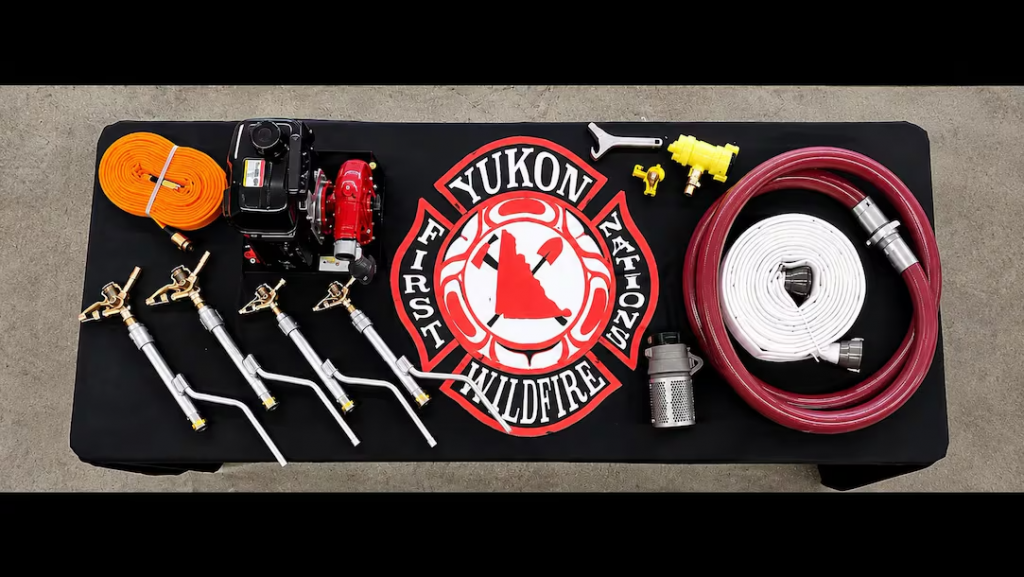
It’s been a mild wildfire season in the Yukon so when provinces like British Columbia, and Ontario needed additional resources to help fight wildfires, Yukon First Nations Wildfire was ready to go.
But according to the organization’s CEO Nick Mauro, the call never came.
“Our crews are standing by and ready to go,” Mauro said. “However we’ve been advised that the Yukon government currently does not have the capacity to send our crews south to assist.”
Mauro said the situation is frustrating, wondering why other jurisdictions are bringing in international help when he and his crews are available. Mauro said it’s not a bad thing that international crews are coming to help, but said while that’s happening essential local resources are being ignored.
“The reality is that the wildfire system that we currently operate in Canada wasn’t made for the transfer of indigenous resources,” Mauro explained. “It’s meant to transfer government resources, and get governments to help each other.”
Last month, 48 per cent of Yukon Wildland Fire Management branch’s firefighters were sent to British Columbia and the Northwest Territories, according to Yukon Fire. Another 20 per cent of the Yukon branch’s support personnel have also been sent out of territory.
Territories, provinces manage resources on response
The Yukon government’s Department of Community Services is the body responsible for wildfire response.
In an email, spokesperson Wayne Potoroka wrote that wildfire resources across Canada are coordinated through the Canadian Interagency Forest Fire Centre (CIFFC).
Potoroka said that decisions regarding the use of Canadian resources, contract resources, or international firefighting assistance are made by the jurisdiction managing the response.
He said a range of factors go into that coordination. Including resource availability, qualifications, timing, logistics, and the specific needs of an incident.
In an email CIFFC also said that the individual provincial or territorial fire management agency is responsible for their own hiring and contracting.
CIFFC does not determine the type of resources that are mobilized between agencies, nor does CIFFC hire firefighters. The organization’s role is to coordinate the requested resource type from one agency to another.
A spokesperson with CIFFC wrote that contracting protocol varies from agency to agency, so specifics relating to which resources are hired, and when is outside of its purview.
This is something that Mauro said needs to change to create a more inclusive system for First Nations fire crews, and organizations.
“It needs to be changed at every level,” Mauro said. “At territorial, provincial and federal. We have to make a system that is no longer putting people to the side based on … not working for the government.”
“When we see these international crews coming in while our resources are sitting here, it’s really frustrating.”
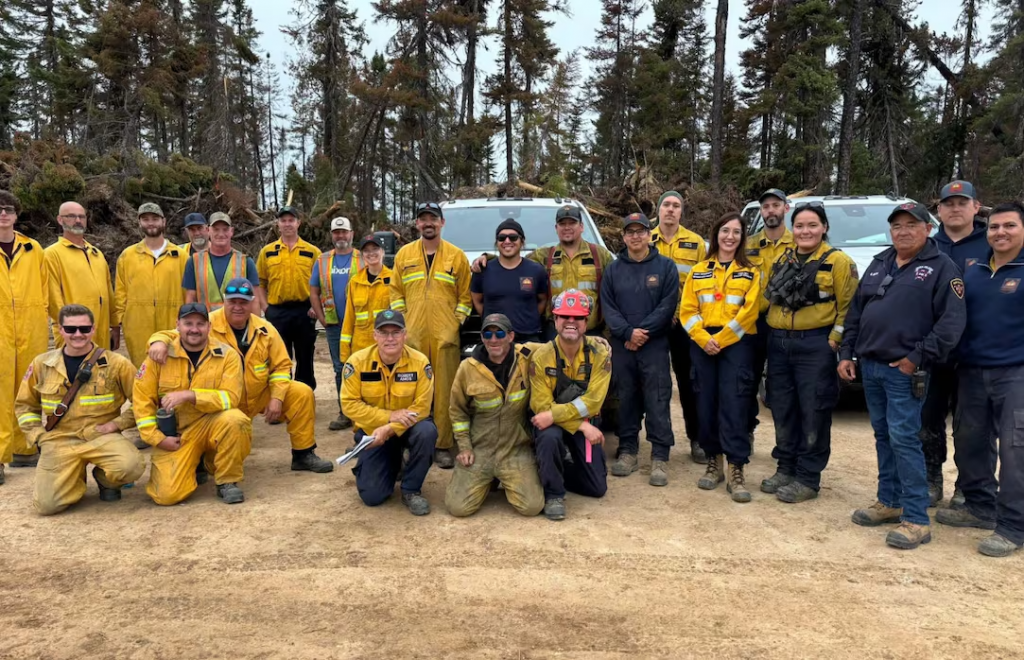
In New Brunswick, members of the Metepenagiag Mi’kmaq First Nation’s fire crew have also been sitting idly waiting for their chance to help.
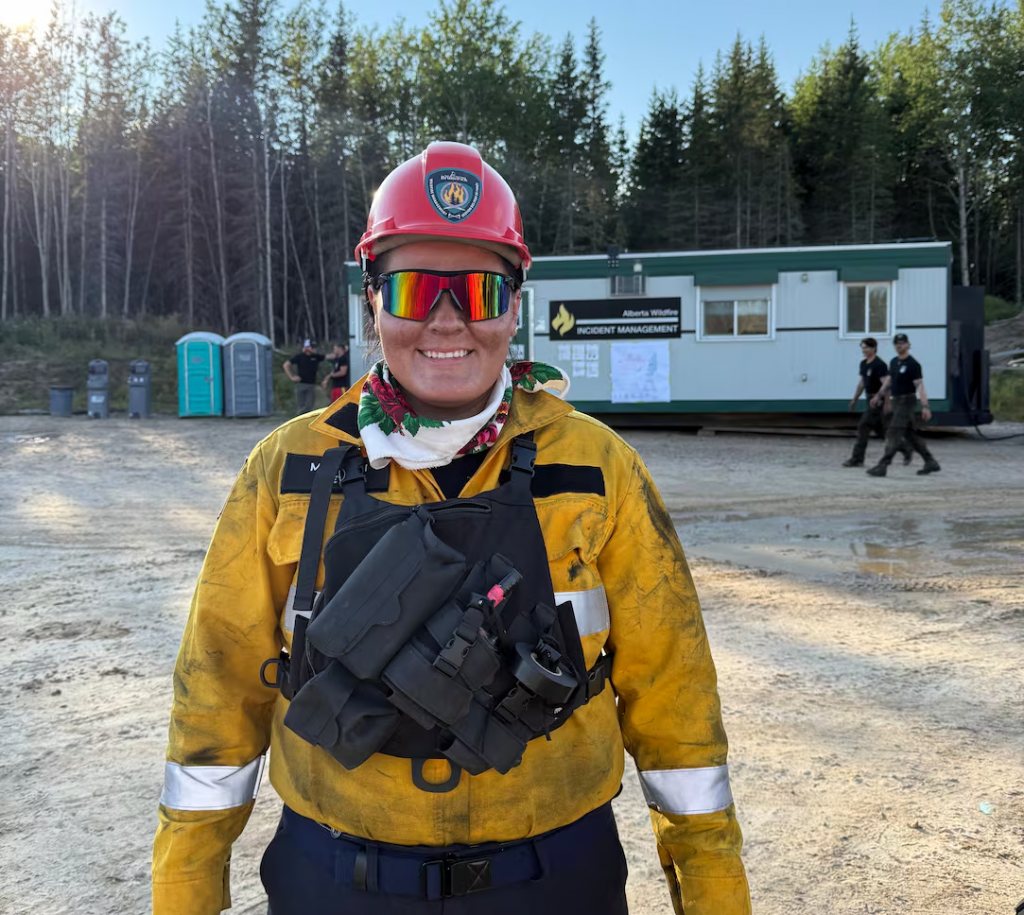
Fire crew lead Madison Levi said they had a busy fire season last year explaining they were dispatched to fight wildfires locally, and in Alberta. She said after the amount of work they did she was sure they’d be called on again to help this year.
“Last year was kind of the season where people seen how good our team was working,” Levi said. “We were getting a lot of work. We were fairly busy.”
“This summer we thought ‘oh you know, we’re probably going to be busy,’ but as time has gone on and we’re on the end of August, a lot of my team expressed how frustrating it is to watch all these international crews being sent to come fight fires here.”
Levi said the First Nation crews in the Yukon and New Brunswick aren’t the only crews being left out. She said she’s spoken to many First Nation fire crews across the country and they’ve all said they’re in the same spot.
Levi, like Mauro, said something needs to change.
“I know at CIFFC there’s no Indigenous representation,” she said. “They should have an Indigenous liaison officer especially for when First Nation communities are the ones experiencing a big portion of the loss.”
Levi said she’d like to see similar agreements made between provinces, CIFFC, and different countries implemented with First Nations crews too.
Related stories from around the North:
Canada: Future wildfires likely to impede construction on Mackenzie Valley Highway, expert says, CBC News
Denmark: Denmark, Greenland agree to build naval wharf in Nuuk amid growing Arctic focus, Eye on the Arctic
Finland: Wildfires continue to burn across Lapland, Yle News
Norway: Smoke from Canadian wildfires forecast to reach Norway, The Associated Press
Russia: New NOAA report finds vast Siberian wildfires linked to Arctic warming, The Associated Press
Sweden: High risk of wildfires in many parts of Sweden, including North, Radio Sweden
United States: Wildfires in Anchorage? Climate change sparks disaster fears, The Associated Press