Nunatsiavut, NTI welcome Ottawa’s decision to end NunatuKavut participation in rights forum
Nunavut’s Inuit land-claims organization has joined the Nunatsiavut Government in applauding Ottawa’s decision to end the NunatuKavut Community Council’s participation in a federal forum on Indigenous rights and self-government.
“NTI has long shared the concerns raised by the Nunatsiavut Government and other Inuit rights holders regarding Canada’s engagement with the NCC,” Nunavut Tunngavik Incorporated (NTI) said in a statement on Sept. 8.
“[The decision] also reinforces the principle that programs, funding, and opportunities intended for Inuit should directly benefit Inuit communities and organizations.”
The Nunatsiavut Government, which represents Inuit in Labrador, previously said on Tuesday that they’d been informed of the decision by Ottawa and welcomed the development.
“This decision brings long-needed clarity,” Nunatsiavut President Johannes Lampe said.
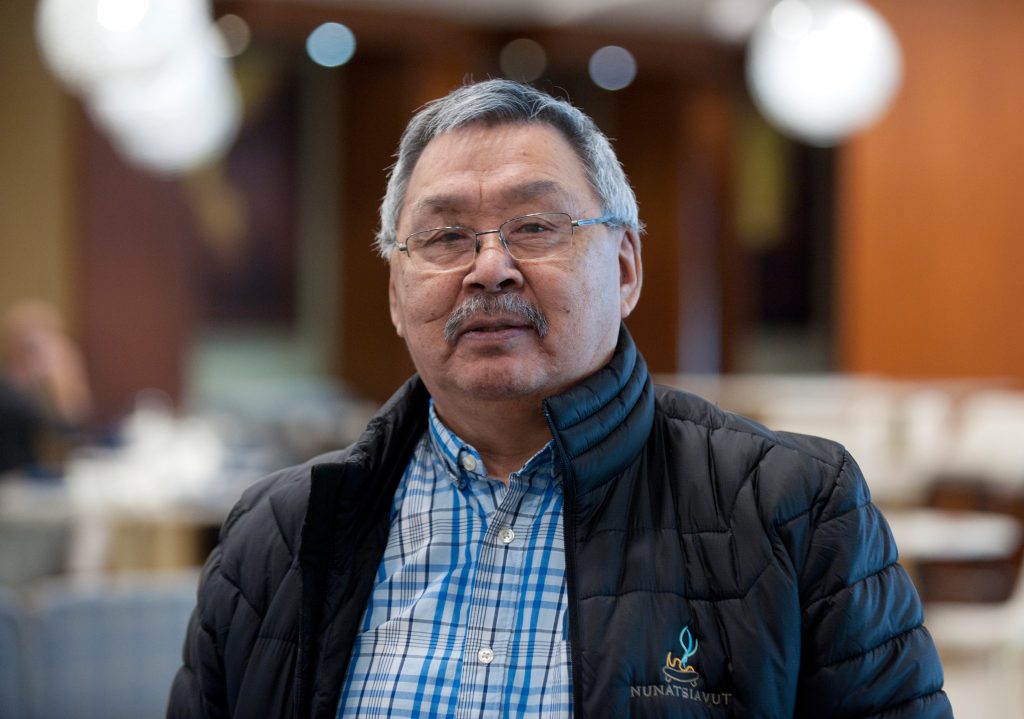
“Inuit identity is not something that can be self-declared – it is affirmed by Inuit, grounded in our culture and history,” Lampe said. “Concluding this table is an important step toward ensuring our rights, as Inuit, are protected, respected and upheld.”
Fraught history
Canada has three recognized Indigenous groups: Inuit, First Nations and Métis.
The controversy over the NunatuKavut Community Council (NCC) goes back over a decade. The organization represents 6,000 people who claim Inuit ancestry in southern Labrador, but was formerly known as the Labrador Métis Nation.
NCC members are not recognized as Inuit by any of Canada’s Inuit groups or land-claim organizations, including Inuit Tapiriit Kanatami (ITK), the national Inuit organization.
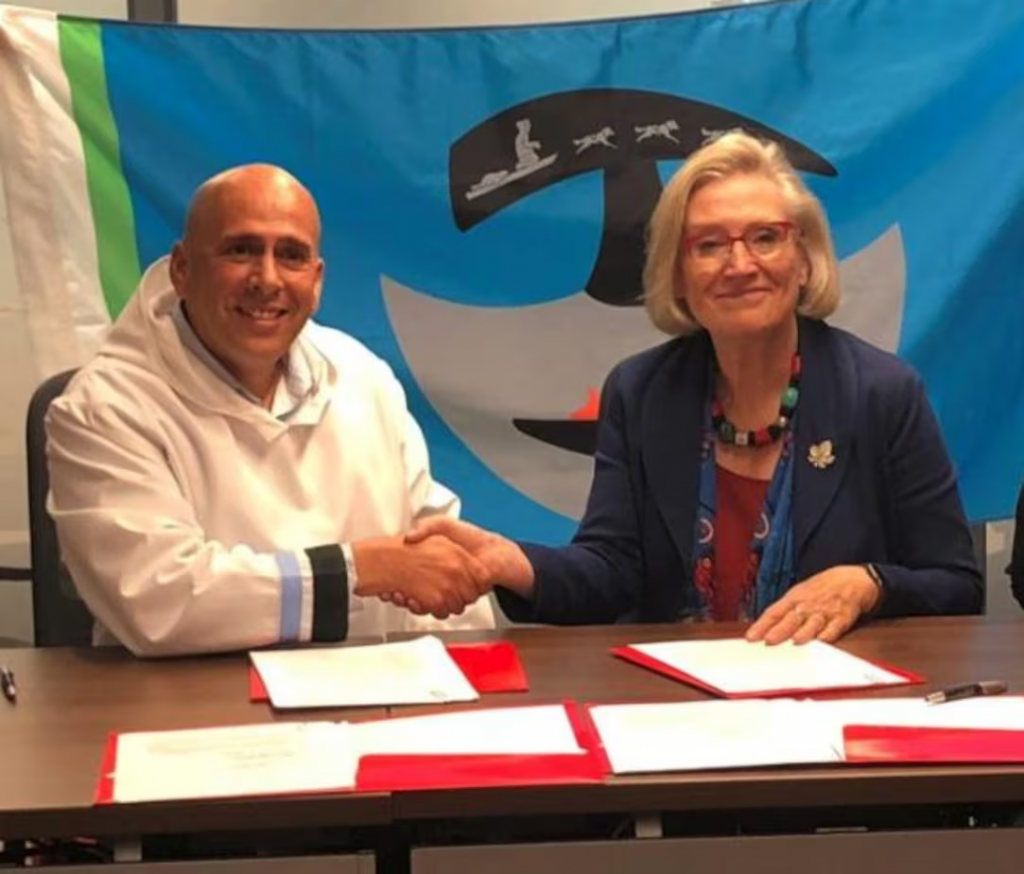
In 2019, Carolyn Bennett, the then-minister of Crown-Indigenous Relations, signed a memorandum of understanding with the NCC, despite warnings to her department.
NCC says community “appalled” at the decision
NCC says it was informed of Ottawa’s decision on Sept. 4, but were not told why.
It accused the federal government of allowing other Indigenous groups to influence its decision.
“It is appalling that the Minister of Crown-Indigenous Relations would bend to pressure from other Indigenous groups on the denial of our claim,” NCC said in a statement on its website. “NCC has not been treated fairly throughout this process, and the honour of the Crown has not been upheld.”
Forum for discussing self-government, rights
Canada’s Recognition of Indigenous Rights and Self-Determination (RIRSD) table is a forum where Indigenous groups meet with the federal government to discuss self-government, land, resources and the recognition of Indigenous rights.
Canada’s Department of Crown-Indigenous Relations did not respond to a request for comment by deadline.
Comments, tips or story ideas? Contact Eilís at eilis.quinn(at)cbc.ca
Related stories from around the North:
Canada: Inuit Circumpolar Council to focus on greater voice in Arctic maritime policy, Eye on the Arctic
Finland: Brakes on Lapland health cuts a win for Arctic communities, says Sami Parliament, Eye on the Arctic
Greenland: Visibility isn’t enough, Arctic Indigenous women say authority must follow, Eye on the Arctic