Visibility isn’t enough, Arctic Indigenous women say authority must follow
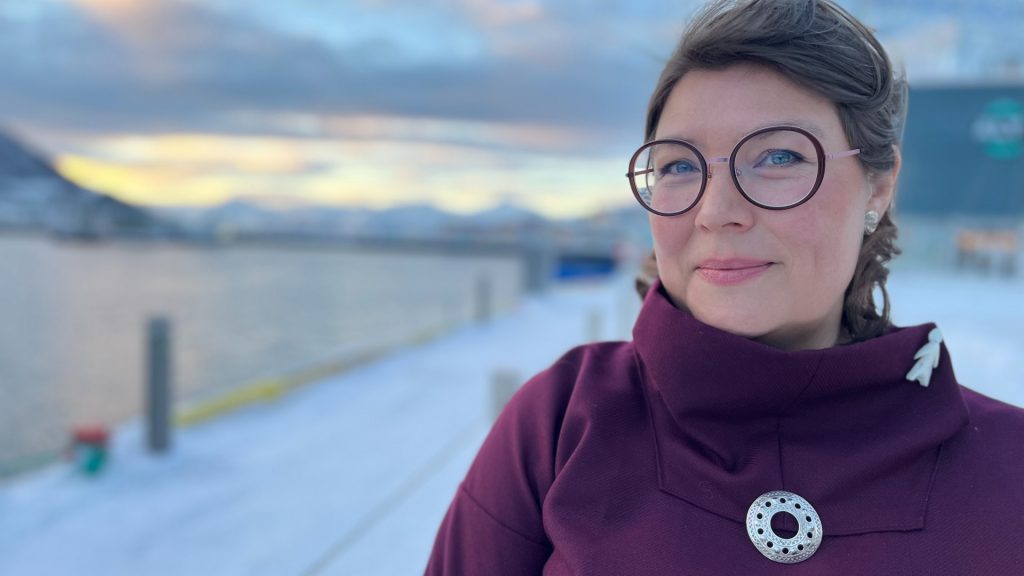
TROMSO, Norway — While Greenland Foreign Minister Vivian Motzfeldt’s high-profile defence of the island’s sovereignty reflects the rise of Indigenous women in Arctic leadership, prominent Indigenous leaders say obstacles remain for the next generation.
Speaking at the Arctic Frontiers conference in Norway, women leaders from across the circumpolar North said Indigenous women are reshaping Arctic governance but continue to face unequal decision-making power and backlash.
“One of the most persistent barriers Indigenous women face is not access, but authority,” Silje Karine Muotka, president of the Sami Parliament of Norway, said.
“We are often included for perspective, while decision-making power remains elsewhere.”
When Indigenous women move from advising to leading, she added, “resistance can become personal rather than political.”
In her keynote address introducing the event, Canada’s Governor General Mary Simon, an Inuk woman from Nunavik in northern Quebec, said harassment on social media can be especially difficult.
“I know, because I have experienced it myself,” she said.
“Around the world, this kind of violence pushes too many women out of leadership—or stops them from stepping forward in the first place. And when that happens, we all lose.”
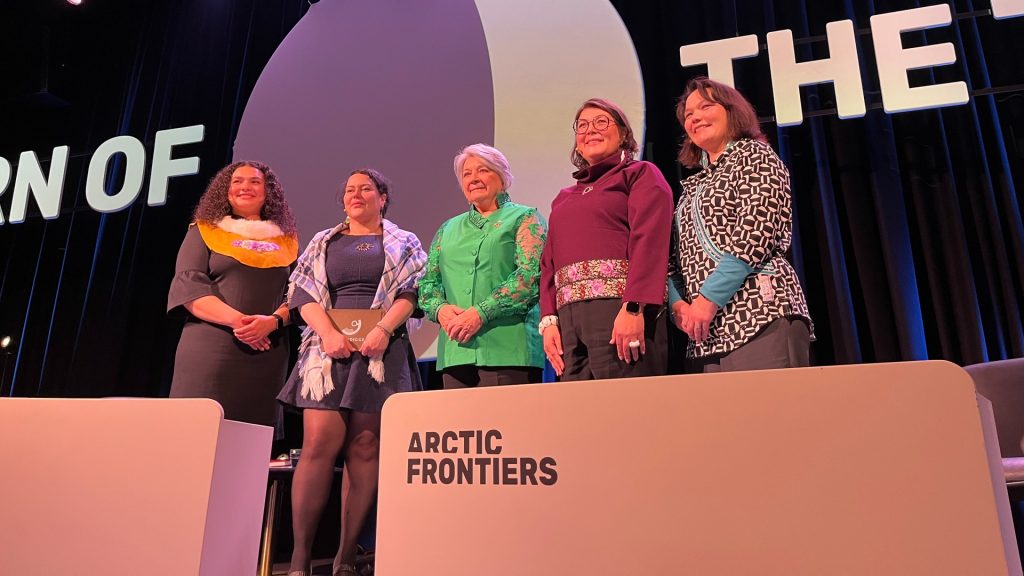
Sarah Olsvig, international chair of the Inuit Circumpolar Council, pointed to lessons from her upbringing in western Greenland.
“As a cross-country skier, I was never allowed to skip practice, no matter the weather,” she said.
That discipline reflects a broader Indigenous strength, Olsvig said.
“Perseverance that we have as Indigenous peoples is something that will be important in these years, and we need to continue standing together and put emphasis everywhere we go on upholding our rights.”
Canada’s Arctic Ambassador Virginia Mearns said another persistent challenge is how women’s ambitions are perceived.
“There tends to be a perception that when a woman has the audacity or tenacity to pursue a leadership role, it is to take something away, whereas when we enter these spaces, we want to contribute.”
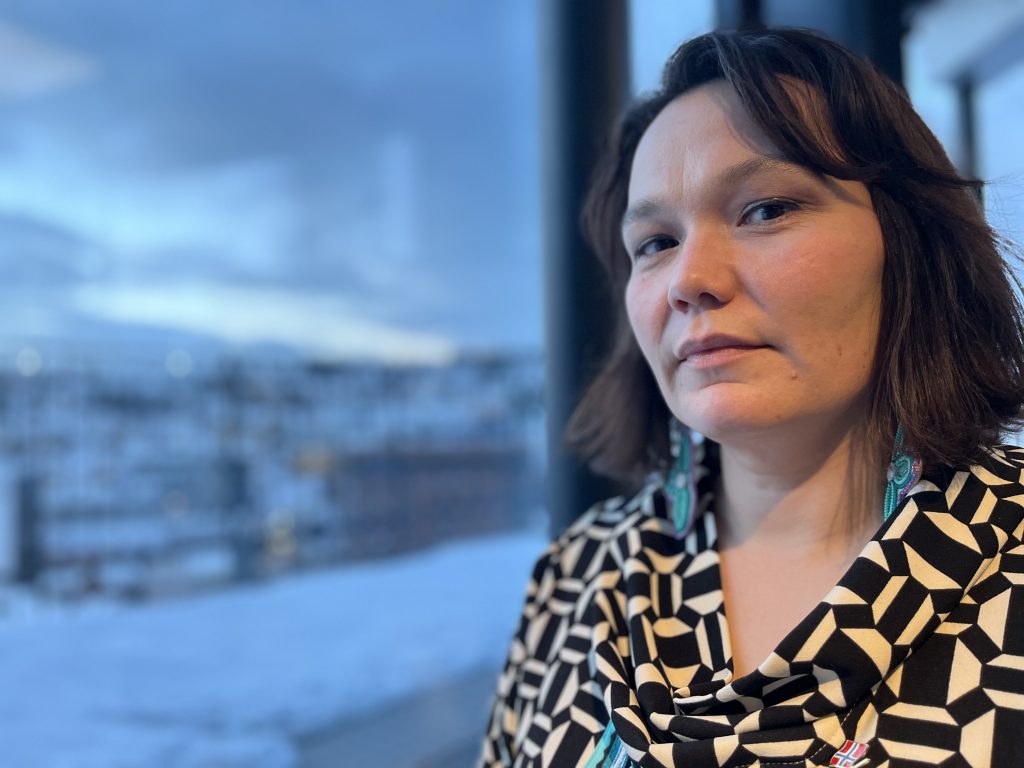
In an interview in Norway after the panel discussion, Mearns said one of her most important messages is ensuring that backlash, particularly on social media, doesn’t cause young northern women to step back before they have had a chance to lead.
“Start small and build a community around you that you can confide in and seek support and advice from,” she said.
“Build up your experience and confidence in your community and then take those steps to expand and engage in larger venues. Negative voices may still be around, but you won’t be alone.”
Write to Eilís Quinn at eilis.quinn(at)cbc.ca
Related stories from around the North:
Canada: For the first time, Yukon’s Legislative Assembly will have more women than men, CBC News
Finland: Finland’s shortest life expectancy for women in Lapland, Yle News
Greenland: From MMIWG in U.S. & Canada, to Greenland’s IUD scandal, Inuit women’s summit says ‘no more’, Eye on the Arctic
Sweden: Giving birth in a car: a real rural problem in Sweden, Radio Sweden
United States: Missing and Murdered Indigenous Women awareness week observed in the U.S., Eye on the Arctic