
Police: Russian crew members pose a significant espionage threat

Covert maritime intelligence from non-Russian flag ships gives Russia an overview of military capacities and infrastructure along the coast and on the seabed, Norway’s Police Security Service warns.
“We are describing a serious threat scenario,” said Beate Gangås, Chief of the Police Security Service (PST) when she presented the annual threat assessment report on Friday.
This includes cyber and influence operations, sabotage, recruitment of human sources, evasion of sanctions and export control regulations, as well as security-threatening economic measures.
The police put emphasis on Russian crew members sailing on non-Russian flag ships.
“To hide their intelligence activity, they will use civilian vessels,” the report said. “Russian crews on board civilian vessels registered in a third country pose a significant threat within the sphere of covert maritime intelligence in 2026.”
Even some ships with Norwegian flag sail with Russian captains and crew members.
“In 2026, Russian intelligence services will want to collect information about infrastructure, technology and activity along the Norwegian coast. To conceal their intelligence activities, they will use civilian vessels. This type of maritime covert intelligence gathering targets Norwegian interests at sea, in inland waters and at ports,” the report said.
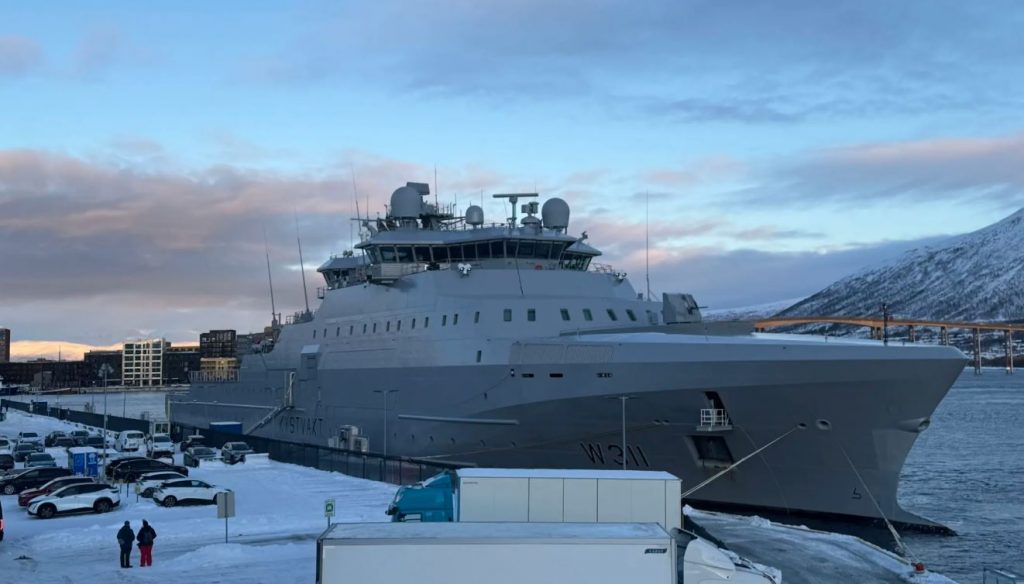
Russia’s two largest fishing companies, Norebo and Murman Seafood, have since July 2025 been denied access due to suspicion of intelligence gathering activity. Fishing vessels from other Russian companies are welcome to make port calls at the three north northern Norwegian harbours of Tromsø, Båtsfjord and Kirkenes.
115 Russian fishing vessels got permission to catch fish in Norwegian waters in 2026, the Fiskeribladet newspaper reported in January.
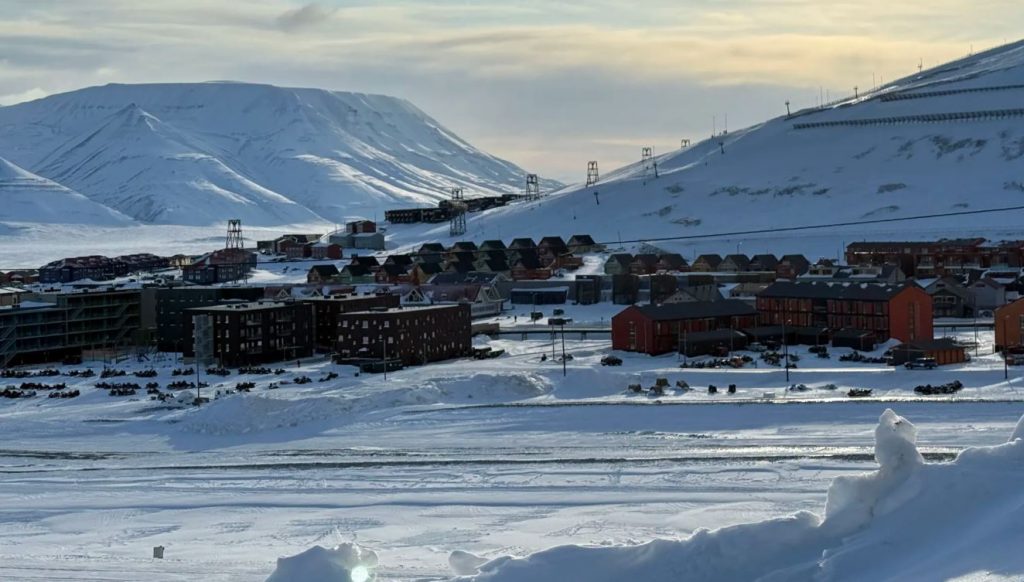
The police report outlines how Russian espionage is especially targeting Svalbard and the border regions in Finnmark.
“Russian intelligence and security services are active throughout Norway. The northernmost counties and Svalbard are of particular interest and therefore particularly exposed to intelligence and influence activities. This applies, among other things, to the border areas in Finnmark and the Russian presence in Svalbard.”
Sabotage
The Police Security Service is increasingly concerned that special services from Russia may target Norwegian energy infrastructure, both physically and through cyberattacks.
Neither authorities in Moscow, nor the Russian embassy in Oslo have commented on the police report.
Last year, the embassy published a statement denouncing all of PST’s accusations as unfounded and politically motivated.
“Such manipulation of Norwegian society could obviously be used for provocative purposes, including by external forces, in order to further fuel Russophobic hysteria and, accordingly, worsen Russian-Norwegian relations,” the embassy said.
Related stories from around the North:
Canada: Canadian Army Exercise ARCTIC BISON 2017 challenged by winter thaw, Radio Canada International
Finland: Finnish Air force to take part in joint Finnish-Swedish-US military exercises, Yle News
Norway: Norway patrolling Russia’s military activity in Arctic with new intelligence vessel, The Independent Barents Observer
Russia: Paratrooper exercises over Arctic Russia, The Independent Barents Observer
Sweden: Mandatory military service to be reinstated in Sweden, Radio Sweden
United States: U.S. general says Alaska military cuts not final without Arctic plan, Alaska Public Radio Network