Q & A | N.W.T. adding 5th rating to fire danger level ahead of wildfire season
‘There’s a move across all agencies in the country for us to be consistent,’ says wildfire official
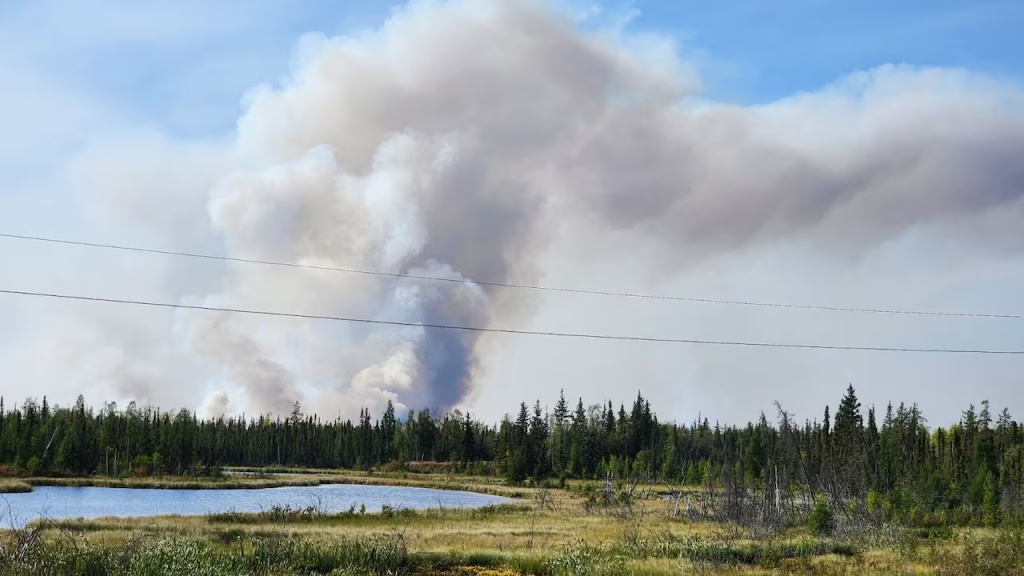
The Northwest Territories government is aiming to make it easier for residents to get up-to-date information about wildfire danger in their area.
The territory will now align with the rest of Canada in how wildfire risks are reported by implementing a five-step rating system. Until now, the territory used a four-step system.
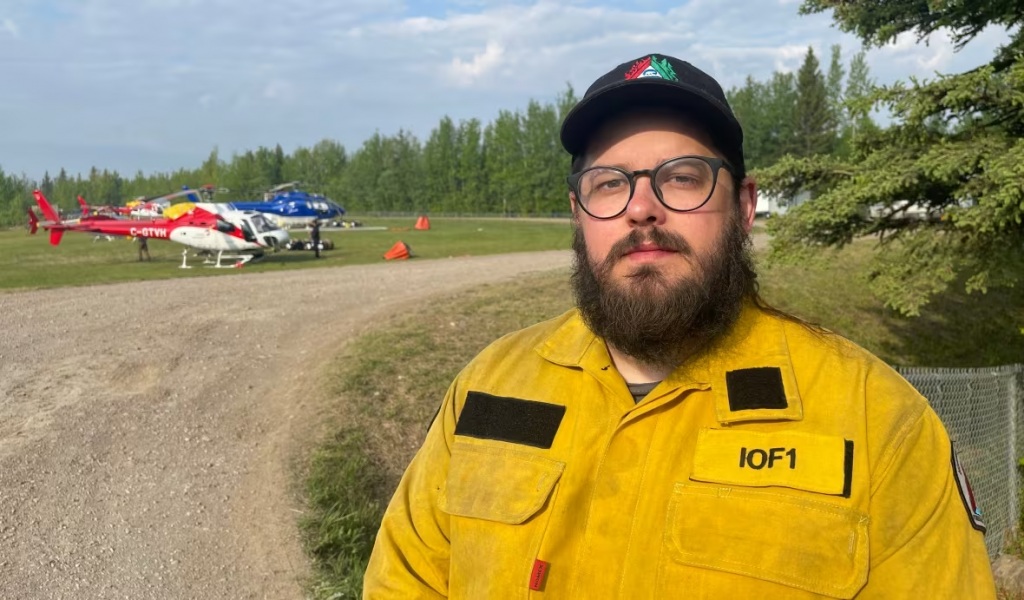
The CBC’s Lawrence Nayally spoke with Mike Westwick, the territory’s wildfire prevention and mitigation manager, on Trail’s End about the new rating level and other changes being made ahead of the wildfire season.
This interview has been edited for length and clarity.
What are you going to be doing this year that’s different?
The first thing that folks in the public will notice is that we’ve added a new level of fire danger, “very high,” and that’s between the levels that we previously communicated as “high” or “extreme.”
Critically, “extreme” is going to be reserved for fewer days. You aren’t gonna be seeing as many of those, but you really should have your eye open for them.
Why do you think this is an important change to make this year?
There’s a move across all agencies in the country for us to be consistent in how we move this forward and how we communicate about fire danger.
We think that this will be an important step to improve our risk communication throughout the summer. [Which means] communicating to people about the potential for threat even if there’s not an emergency as yet.
What we want people to do is see that red and really think twice about what they’re doing out on the land this summer.
What’s your sense of the public’s understanding of the severity of fires?
I think that northerners are pretty good at recognizing when fire danger is rising out there, based on their experience on the land.
One of the things that we’re doing alongside this initiative is we’re expanding where we’re going to have messaging about fire danger. In the past years, we’ve just had signage at a couple of our highest traffic parks and at our bases. What we’re doing now is we’ve worked with N.W.T. Parks to expand to all staffed campgrounds.
As well as maintaining the most high traffic, large format signage along the highways, and smaller signs that can be deployed to [other high traffic locations].
What do you think the summer is going to be like this year?
Our crews are getting recruited and fully [prepared]. We’re going to be bringing crews [and aircraft] on early so we can respond. We’ll have a clear idea [of the wildfire forecast] after snow surveys are complete. We will be holding a briefing with a full seasonal outlook.
The message we need folks to take away, in tandem with this change in fire danger, is their important role that they need to play in a fire season.
Over the past few years [fires have] become active a lot sooner. Whether it’s early in the season and it’s spring, and it might feel a little cool out there, doesn’t mean fires can’t happen.
Related stories from around the North:
Canada: Why are so few people charged for causing wildfires in the N.W.T.?, CBC News
Finland: Wildfires continue to burn across Lapland, Yle News
Norway: Smoke from Canadian wildfires forecast to reach Norway, The Associated Press
Russia: New NOAA report finds vast Siberian wildfires linked to Arctic warming, The Associated Press
Sweden: High risk of wildfires in many parts of Sweden, including North, Radio Sweden
United States: Wildfires in Anchorage? Climate change sparks disaster fears, The Associated Press