First Nations-led Auntie’s House to incorporate cultural practices in Whitehorse youth group home
‘When children do go into care, it’s important that they do stay connected to their community and culture’
A new initiative is set to incorporate First Nations knowledge and practices into a group home for children in Whitehorse.
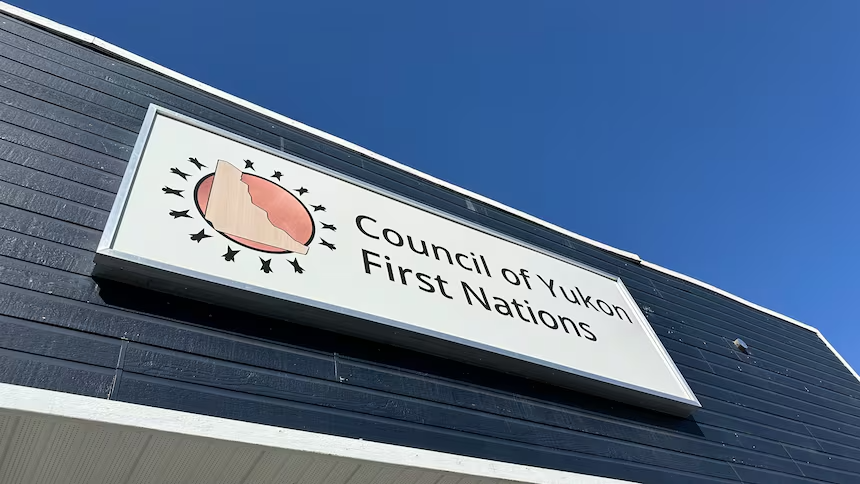
Auntie’s House, a joint project by the Yukon government and the Council of Yukon First Nations (CYFN), will provide a home for Indigenous siblings who are already under government care, according to a news release.
Set to open its doors in the coming weeks, the home is focused on maintaining cultural connections to a child or youth’s community.
The news release calls it a pilot project to evaluate Yukon First Nations-led care models in the Yukon. The government and CYFN will assess outcomes related to stability, cultural continuity and child well-being.
An opportunity for change
The initiative comes months after Canada’s auditor general found significant gaps in the territorial government’s child welfare system, including in how officials respond to reports of suspected harm, complete investigations, and follow up with children receiving support services.
In 90 per cent of cases the auditor general examined, they found Indigenous children were not getting cultural plans developed for them.
In wake of that report, CYFN called on the territory to implement changes to services, with First Nations in the lead.
Shadelle Chambers, executive director at CYFN, said the new group home is meant to address some of those issues.
“We see Auntie’s House as an opportunity for us to change practice, in how children in group care will be raised in more of a home-like, natural environment,” she said.
About 98 per cent of children in care in the territory are Indigenous, and most group homes in the Yukon are in Whitehorse, she added. Children often have to leave behind their culture and “everything they know in terms of community,” she said, while siblings are also often separated.
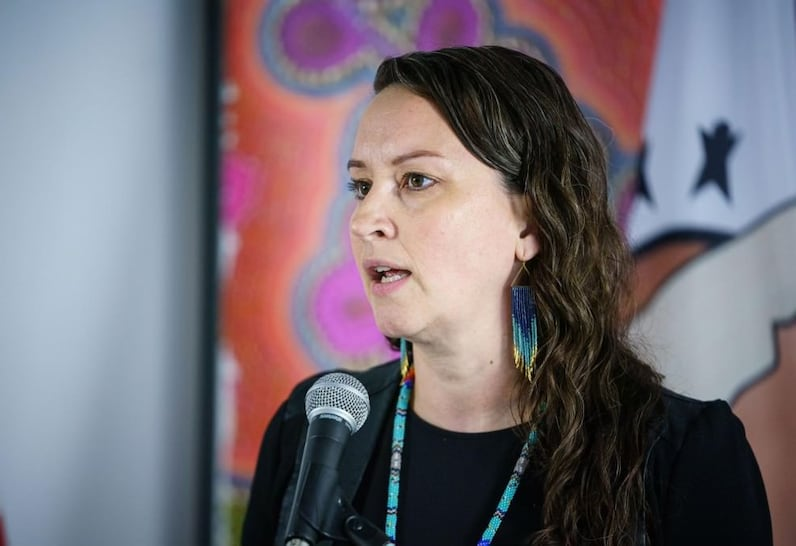
“Group care is not the preferred option, but the reality is we’re lacking a lot of support and community givers,” Chambers said. “When children do go into care, it’s important that they do stay connected to their community and culture — because that’s where a lot of disconnection can happen.”
Brad Cathers, the territory’s health and social services minister, could not be reached for an interview before publication.
The 24-hour staff at Auntie’s House will come from First Nations or Indigenous communities, according to Chambers. An elder, an auntie, traditional foods and activities will also be available.
Annette King, the territory’s Child and Youth Advocate, says child welfare organizations have a long history of removing culture from a child’s identity. She also believes Auntie’s House is a way to begin addressing some of the gaps identified in the auditor general’s report.
“To be able to layer in where I come from, where my family comes from, what my cultural traditions and practices are… is really important,” King said. “That is part of how children grow, keep well, and heal from the harm that’s happened to them.”
Related stories from around the North:
Canada: 2 Iqaluit group homes set to close, meaning children in care may be sent south, CBC News
Finland: Connection to nature, concern for environment amongst results of Sami youth survey, Eye on the Arctic
Greenland: Inuit Circumpolar Council launches youth leadership program, Eye on the Arctic
Norway: Creating youth links key to driving Canadian-Norwegian cooperation, conference hears, Eye on the Arctic
United States: New farm bill program aims to fight food insecurity in Alaska, Alaska Public Media