Canada says evidence on NunatuKavut council didn’t meet legal tests for Indigenous rights and title
Evidence submitted regarding the NunatuKavut Community Council doesn’t meet the legal tests for Indigenous rights and title under Section 35, the Department of Crown-Indigenous Relations and Northern Affairs Canada said, explaining why it’s terminated rights-recognition discussions with the Labrador group.
“Canada’s review of NunatuKavut’s claim has included consideration of updated submissions, internal historical and legal analysis, expert reviews, and discussions with NunatuKavut,” Jennifer Cooper, a department spokesperson, said in response to emailed questions.
“Following careful review of the extensive information provided by the NunatuKavut Community Council to support their section 35 rights claim, Canada has determined that the evidence submitted does not satisfy the court-established tests for Indigenous rights and title.”
Section 35 is the part of Canada’s 1982 Consitution Act that recognizes and protects existing Indigenous rights.
Disputed history
Canada has three recognized Indigenous groups: Inuit, First Nations and Métis.
The NunatuKavut Community Council (NCC) represents about 6,000 people in southern Labrador who claim Inuit ancestry. The organization was formerly known as the Labrador Métis Nation.
The group’s status has been disputed for more than a decade. Inuit Tapiriit Kanatami (ITK), the national Inuit organization, and Canada’s various Inuit land-claim organizations, do not recognize NCC as an Inuit collective.
Despite the outside concerns, and concerns raised within her department, then-Crown-Indigenous Relations minister Carolyn Bennett signed a memorandum of understanding with NCC in 2019.
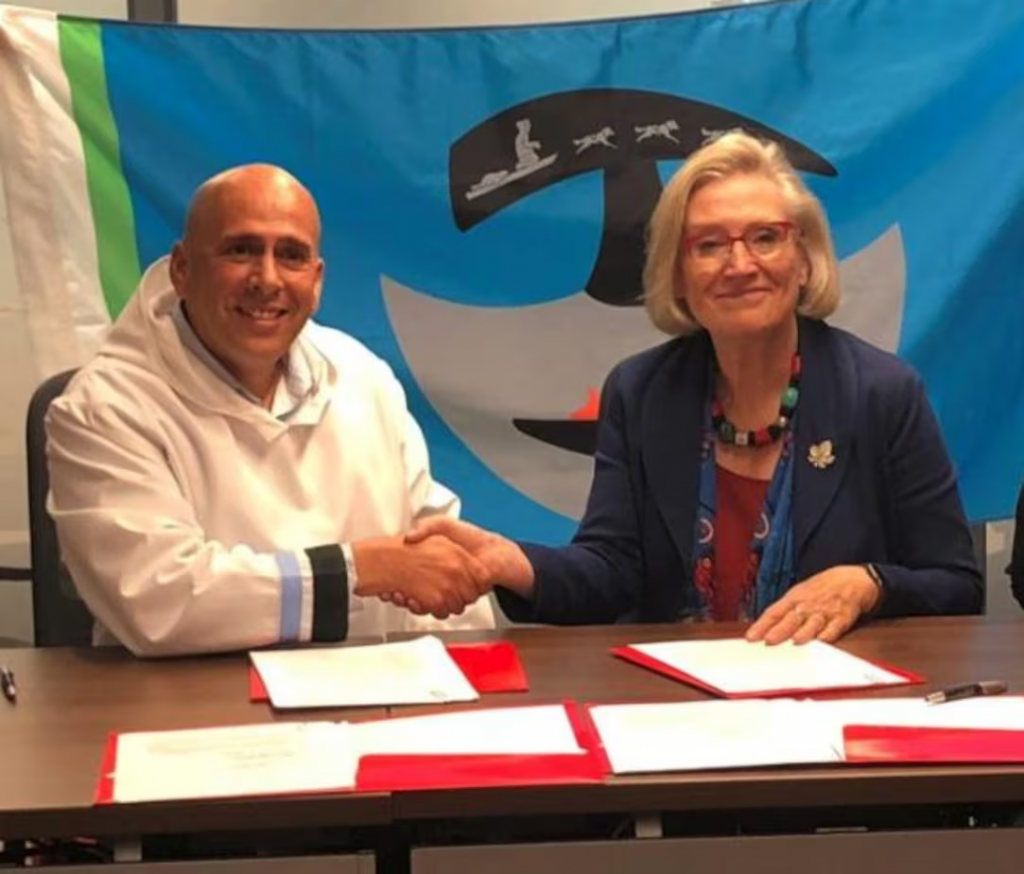
Ottawa will terminate the 2019 memorandum of understanding and its Recognition of Indigenous Rights and Self-Determination discussion table with NCC, Cooper said.
The termination of the MOU takes effect Oct. 4.
The decision will not affect NCC’s ability to apply for federal programs, services or partnerships that do not depend on Section 35 recognition, Cooper said.
Government to meet with NunatuKavut council to discuss assessment
Contacted on Thursday, the NunatuKavut Community Council said it was reviewing options, including legal action.
“All we received to date is a letter outlining that the assessment had taken place and the decision to terminate our rights process,” a spokesperson said. “We were not provided with any substantive reasons or explanation for this decision.”
Crown-Indigenous Relations and Northern Affairs Canada said it had offered to meet with the NunatuKavut Community Council to discuss the decision.
The council said it was working with the department to arrange a date.
Comments, tips or story ideas? Contact Eilís at eilis.quinn(at)cbc.ca
Related stories from around the North:
Canada: Nunatsiavut, NTI welcome Ottawa’s decision to end NunatuKavut participation in rights forum, Eye on the Arctic
Finland: Brakes on Lapland health cuts a win for Arctic communities, says Sami Parliament, Eye on the Arctic
Greenland: Visibility isn’t enough, Arctic Indigenous women say authority must follow, Eye on the Arctic