Yukon First Nation declares caribou herd to be ‘living ecological person’
By Chloé Dioré de Périgny, Francis Tessier-Burns
The Ross River Dena Council says the decision is meant to protect caribou from industrial development
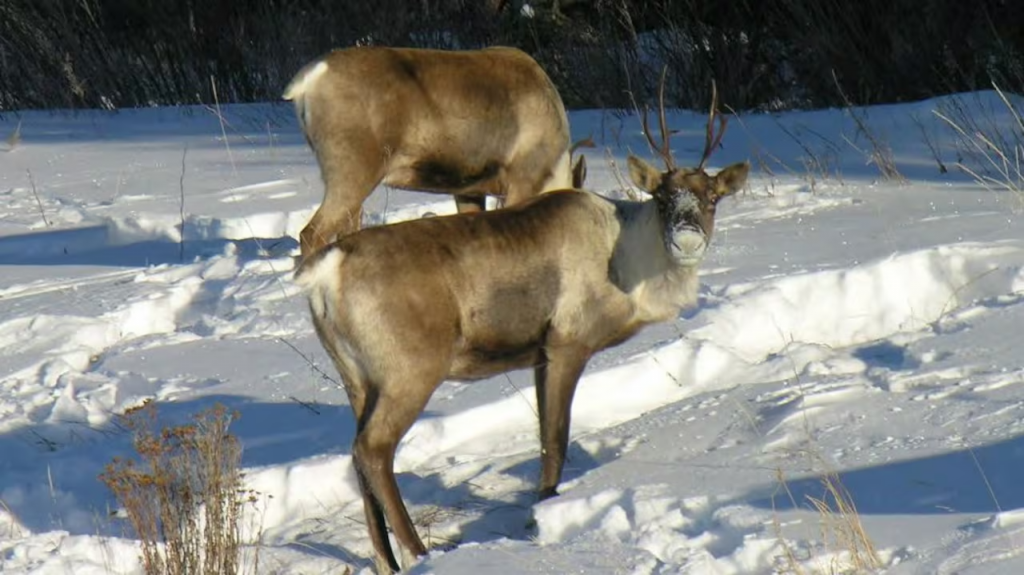
The Ross River Dena Council has declared the Finlayson caribou herd to be a “living ecological person with inherent rights”.
In a news release last week, the First Nation says those rights include the right to exist and thrive throughout its natural range; the right to ecological protection; the right to be free from destructive industrial activity; and the right to representation and legal protection.
“Our nation will do whatever is necessary to protect the rights of the herd,” said Ross River Dena Council (RRDC) Chief Dylan Loblaw. That includes legal action, he said.

Proposed mine within caribou range
The First Nation’s decision comes as Vancouver-based BMC Minerals has been working for years to open the Kudz Ze Kayah mine on RRDC’s traditional territory. Kudz Ze Kayah means “caribou country” in the Kaska language.
“For decades Yukon and Canada have approved — and continue to approve — industrial projects in our Tū Łī́dlini area without any proper assessment of the cumulative effects on the Finlayson caribou herd. This cannot continue,” reads a quote from the chief in the news release.
In 2022, the First Nation sued the Yukon and Canadian governments for lack of consultation related to the project. That process ultimately ended up in the Yukon Court of Appeal, which ordered additional consultation in 2024.
“Caribou are very sensitive to noise and the herd could be pushed off its range and some of the impacts would be irreversible,” Loblaw said.
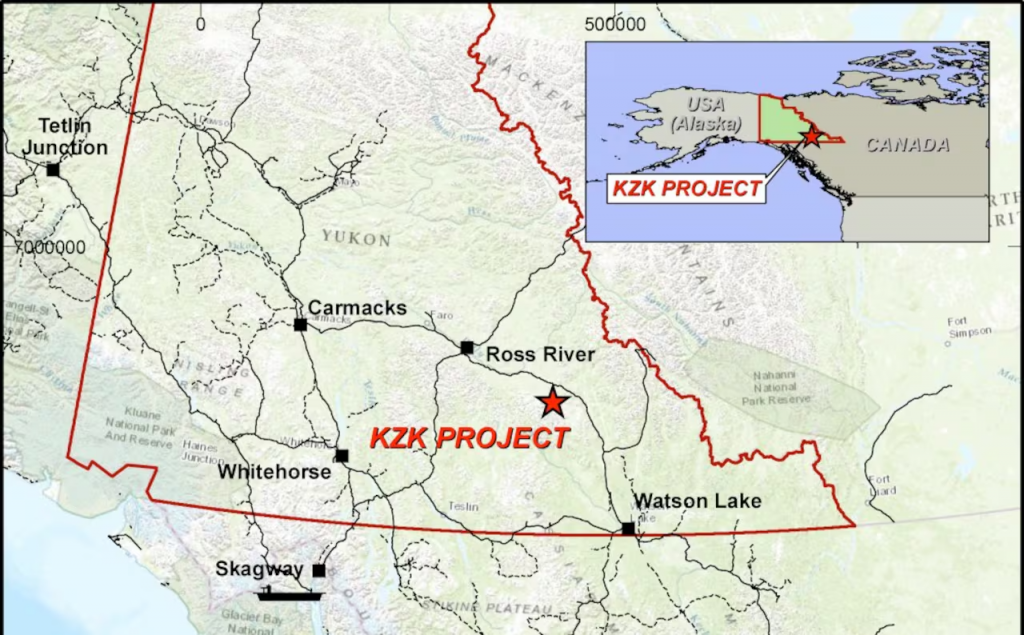
BMC Minerals is waiting for a decision on whether the project can proceed through the licensing and permitting processes. It previously underwent the Yukon Environmental and Socio-economic Assessment Board assessment process.
As part of the larger Northern Mountain Population of Woodland Caribou, the Finlayson herd is listed as a species of “Special Concern”. From 1990 to 2017, the herd saw its total population cut in half, going from nearly 6,000 to just over 2,700. In 2022, however, a population survey showed it had rebounded slightly to nearly 3,400 animals.
‘Ecological personhood’ a ‘novelty’
It’s not the first time a group has pushed for a natural entity to be recognized as having legal rights. In Canada, that process has mostly been in an effort to try and protect certain bodies of water. There are ongoing discussions around whether to grant the Yukon River legal personhood.
However, according to Stepan Wood, the Canada Research Chair in Law, Society and Sustainability, it would be the first time a group of animals receives the recognition.
While the Canadian legal system uses the terms “legal person” or “juridical person”, he says the concept of an “ecological person” is a “novelty.”
The important thing is that it recognizes certain rights the herd has.– Stepan Wood, Canada Research Chair in Law, Society and Sustainability
According to the First Nation, the declaration reinforces its role as a “guardian” of the herd and, in accordance with Kaska law, that the RRDC has the right to bring on legal proceedings in the herd’s name.
An effective measure?
As more of these declarations emerge, their actual impact from a legal standpoint remains to be seen.
“The question of what effect it will have and whether it will be respected is an open one,” says Wood.
“We live in a society where there is unextinguished Indigenous jurisdiction and unextinguished Indigenous rights and title that the Canadian legal system is slowly beginning to recognize and respect, but there’s still also a lot of resistance.”
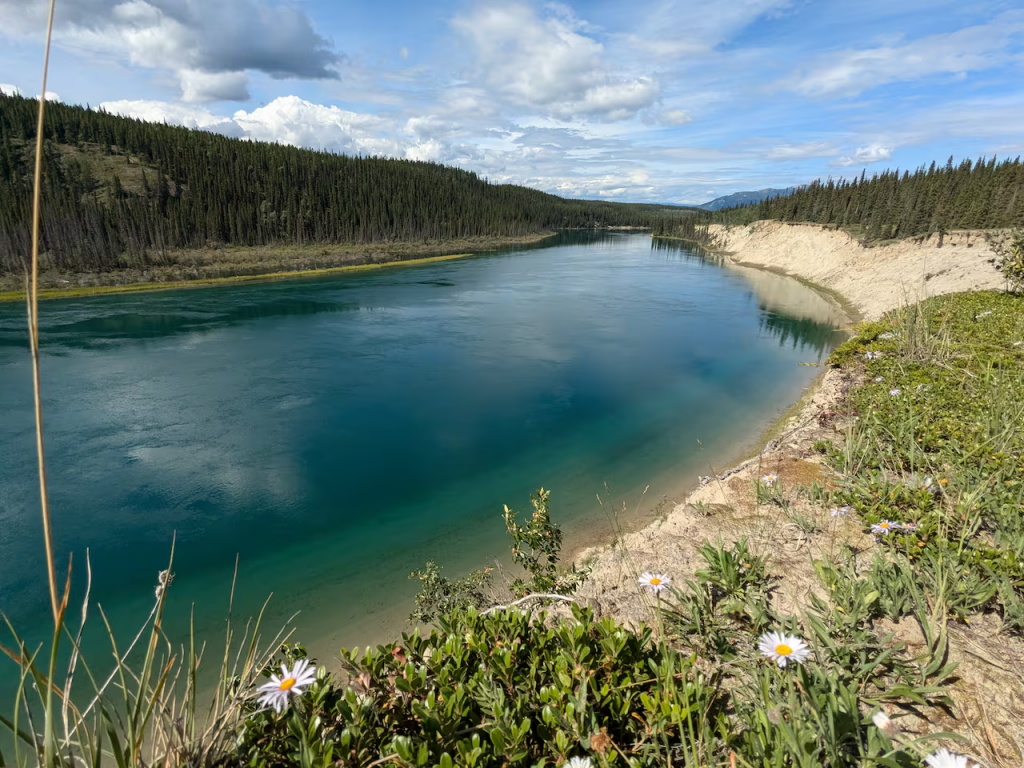
One recent case surrounding Lake Winnipeg may end up setting a legal precedent. The Southern Chiefs’ Organization is taking Manitoba Hydro and the provincial government to court to have Lake Winnipeg given Charter rights.
As for the Ross River Dena Council, Wood says this is just the latest measure the First Nation has undertaken to try and protect the caribou herd.
“You get the feeling that there’s a lot of frustration on the part of the nation and that this declaration is born out of frustration with the failure of other avenues or, if not failure, at least with the slow progress of other avenues,” Wood said.
The Yukon government declined to comment on this story.
Related stories from around the North:
Canada: New maps shine light on decline of Bathurst Caribou in the N.W.T., CBC News
Finland: Sami Parliament in Finland call for reform to Reindeer Damage Act, Eye on the Arctic
Norway: As climate changes, Sami herders need to feed reindeer as rain creates ice layer, Reuters